Revealing the Interplay of Intraorganellar O₂•- and ATP in Brain Aging-Related Alzheimer's Disease via Unimolecular Dual-Responsive Probes
Abstract
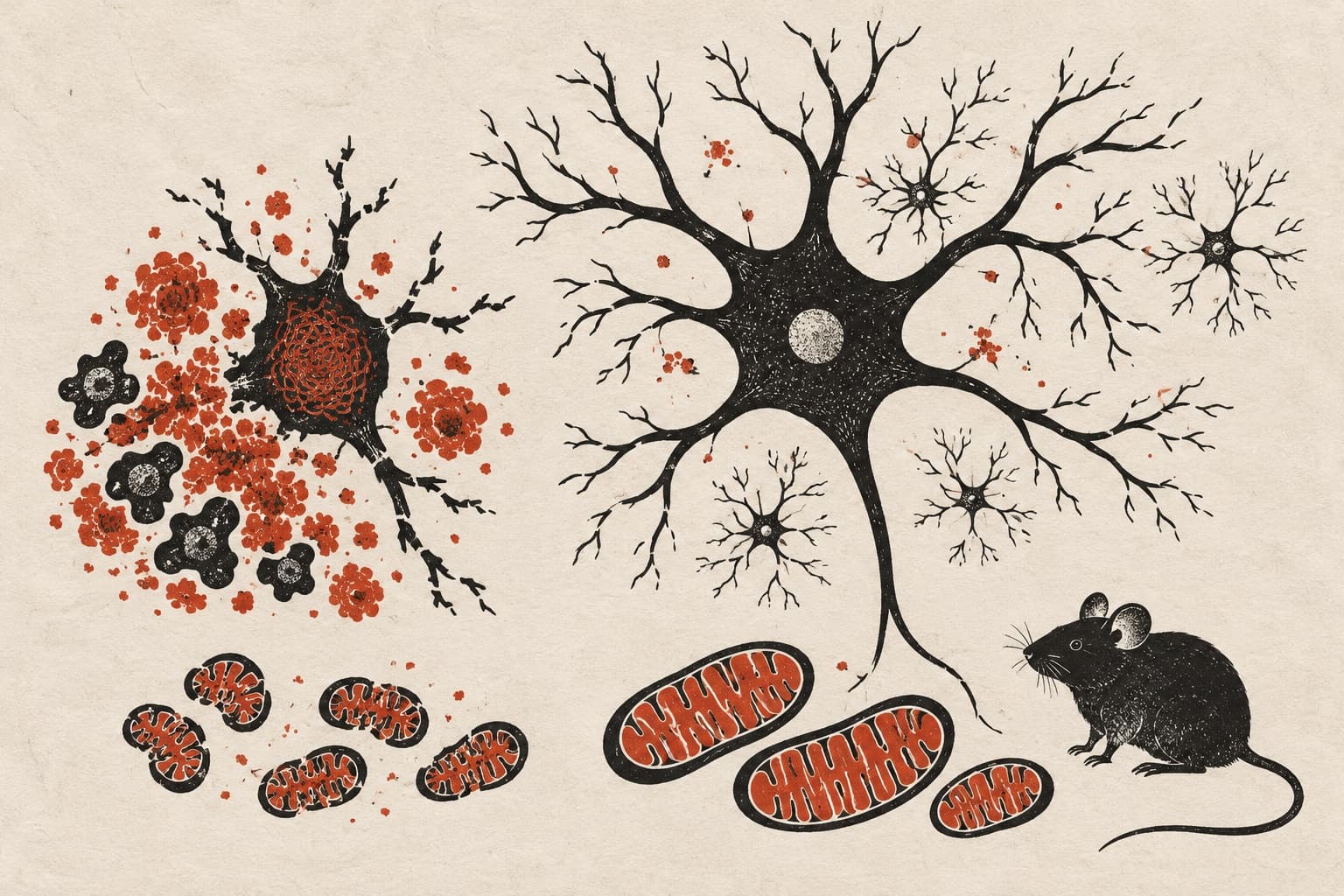
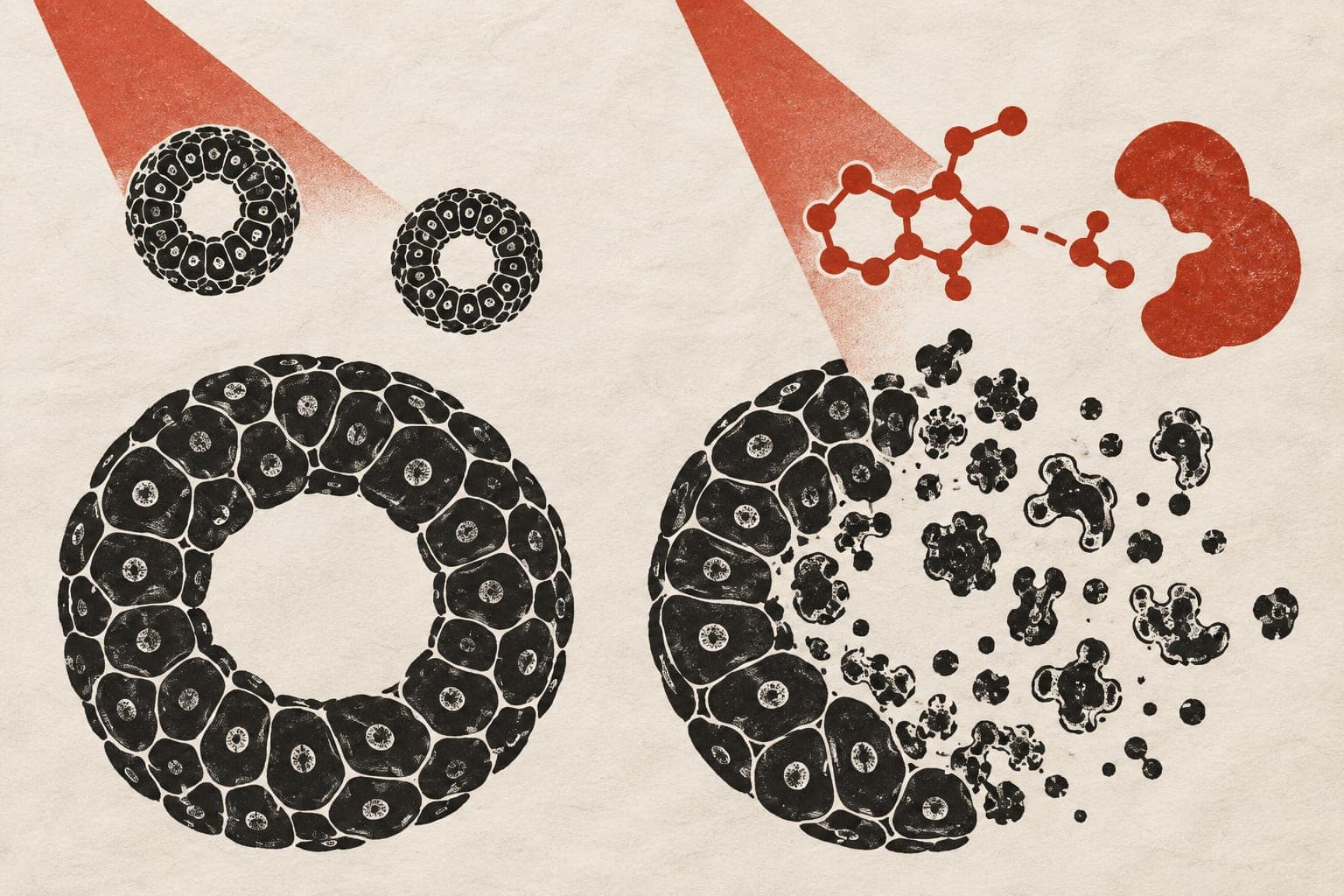
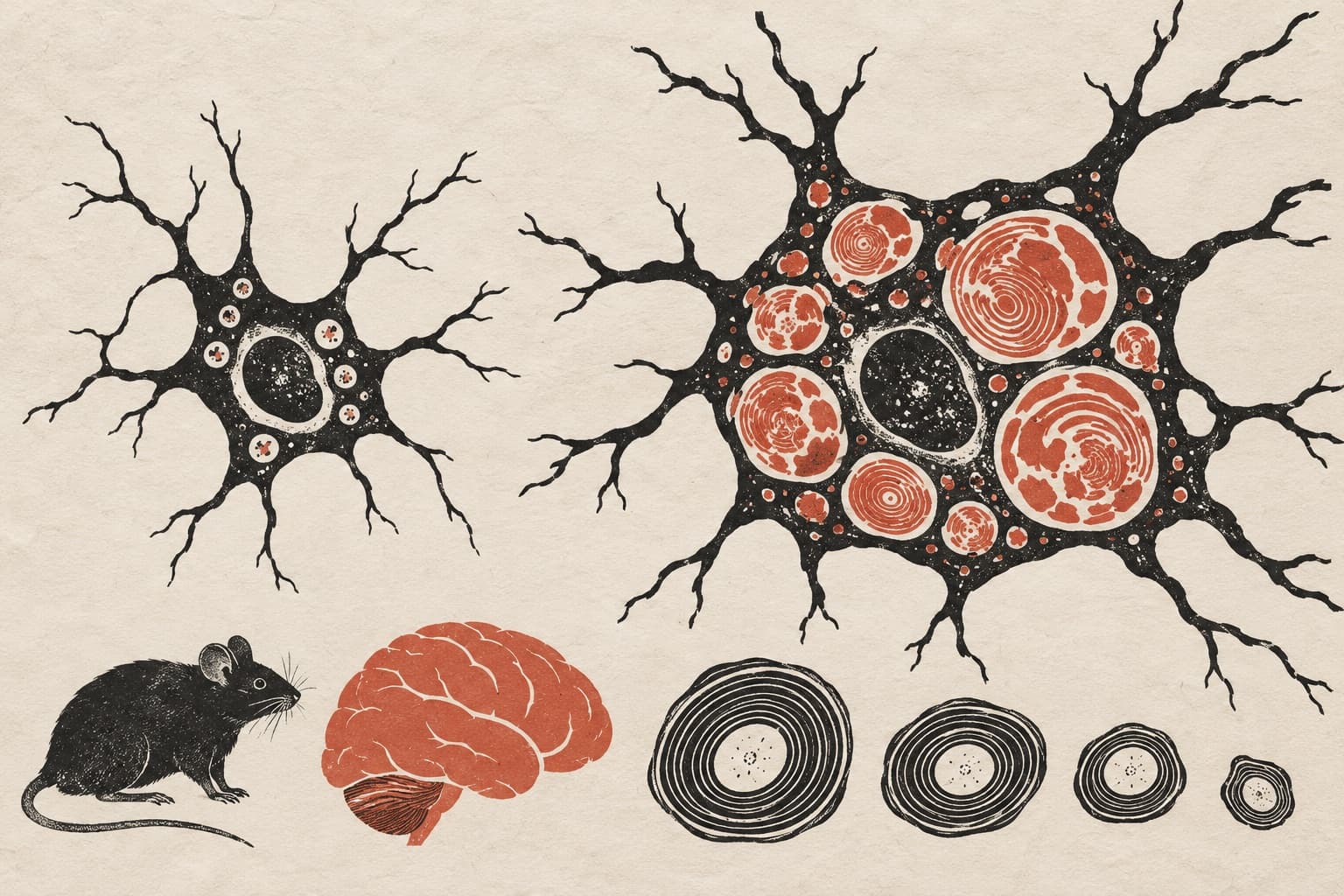
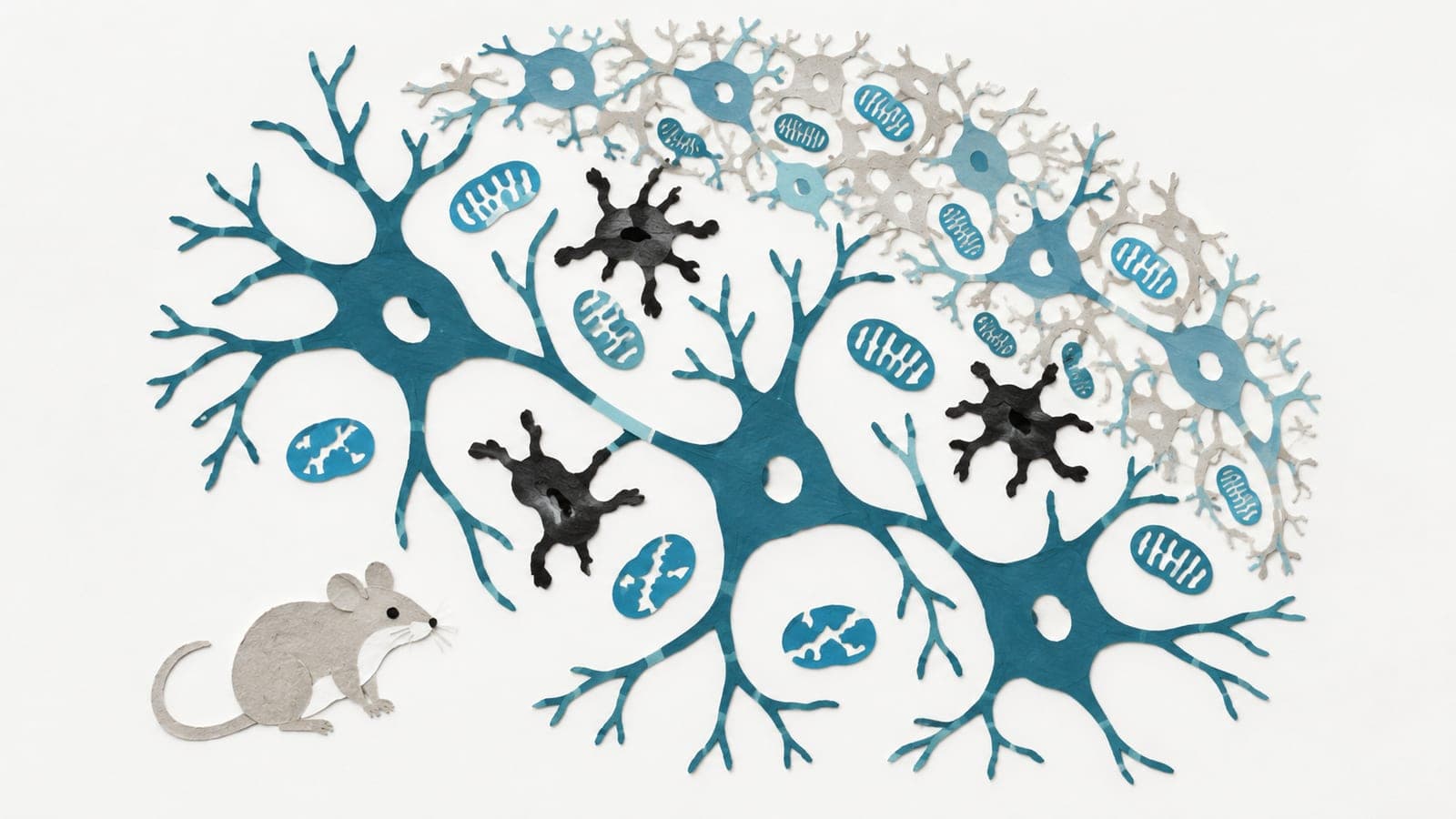
Brain aging is a primary risk factor for Alzheimer's disease (AD), yet the underlying causative mechanisms remain incompletely defined. Dysregulation of superoxide anion (O₂•-) and adenosine triphosphate (ATP) levels within specific subcellular organelles is a key contributor to brain aging-induced AD. Thus, we introduce two structurally analogous but organelle-specific dual-responsive fluorescent probes (Mito-SA and Lyso-SA) as effective tools to explore the aforesaid relevant mechanisms. Both the probes held excellent ability for simultaneous analysis and detection of O₂•- and ATP without spectral interference. Utilizing Mito-SA and Lyso-SA, we observed coordinated changes in the levels of the O₂•- and ATP within mitochondria as well as lysosomes of mouse hippocampal neuronal cells (HT22). It was found that both organelle functions and neuronal aging led to fluctuations in the contents of O₂•- and ATP. More importantly, senescent HT22 cells were more susceptible to the adverse effects of the amyloid-β (Aβ) protein, leading to massive O₂•- bursts and a concomitant ATP depletion. Meanwhile, the variation of the O₂•- emerged earlier than that of ATP during the above process. Finally, we applied Mito-SA for in vivo and ex vivo imaging where it revealed age-dependent alterations in O₂•- and ATP levels of AD mice brains, elucidating the two biomarkers had special mechanisms of action and influence. In reality, this work not only demonstrates the rational design of multianalyte sensing probes with distinct organelle targeting capabilities via a single synthetic route but also unravels the pivotal interplay of O₂•- and ATP in age-related AD pathogenesis.
The paper
Collaborative Innovation Center of Advanced Microstructures
Analytical Chemistry, 29 Sep 2025