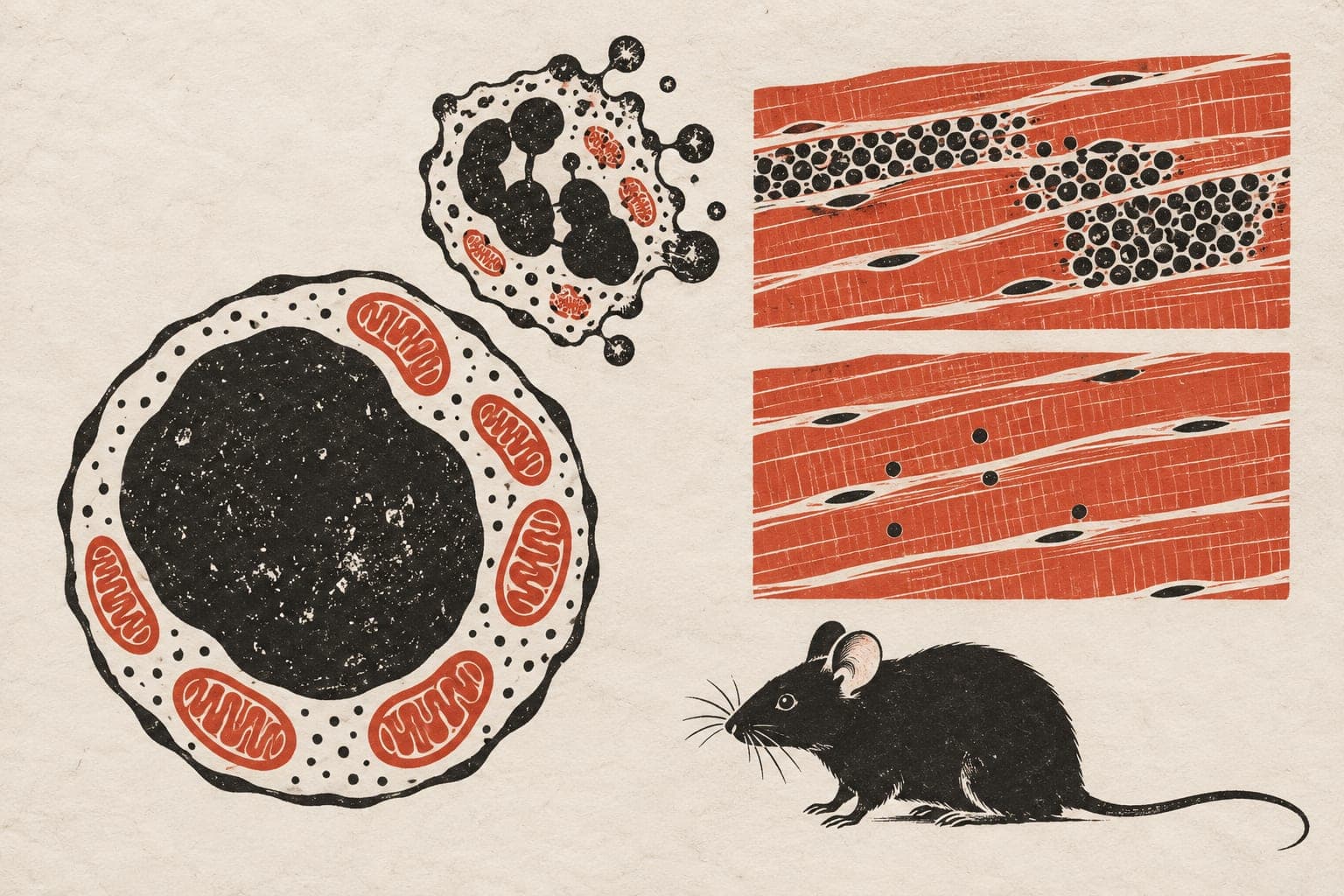
CD8⁺ T cell stressors converge on shared metabolic-epigenetic networks
Abstract
CD8⁺ T cells are vital for antiviral and antitumor immunity, yet in hostile microenvironments, they experience metabolic stress, leading to mitochondrial damage, metabolic dysregulation, and chromatin remodeling that cause immune dysfunction. Aging further exacerbates these processes, with intrinsic metabolic collapse and extrinsic environmental factors jointly impairing T cell immunity. Metabolites orchestrate key epigenetic modifications, shaping transcriptional programs essential for T cell differentiation and memory formation. This review explores the interconnected metabolic and epigenetic mechanisms governing CD8⁺ T cell fate decisions, emphasizing how mitochondrial dysfunction, metabolic inflexibility, and nutrient competition drive CD8⁺ T cell exhaustion, senescence, and age-associated dysfunction. Understanding these metabolic-epigenetic circuits offers novel therapeutic avenues, including metabolic reprogramming and senescence-targeted strategies, to rejuvenate immune responses and enhance immunotherapy outcomes.
The paper
Chinese Academy of Medical Sciences & Peking Union Medical College
Trends in Endocrinology and Metabolism, 22 Sep 2025, Open access