Fumarate Signaling in Cardiovascular Disease: Therapeutic Potential and Pathologic Pitfalls of DMF/MMF and FH1 Deficiency
Abstract
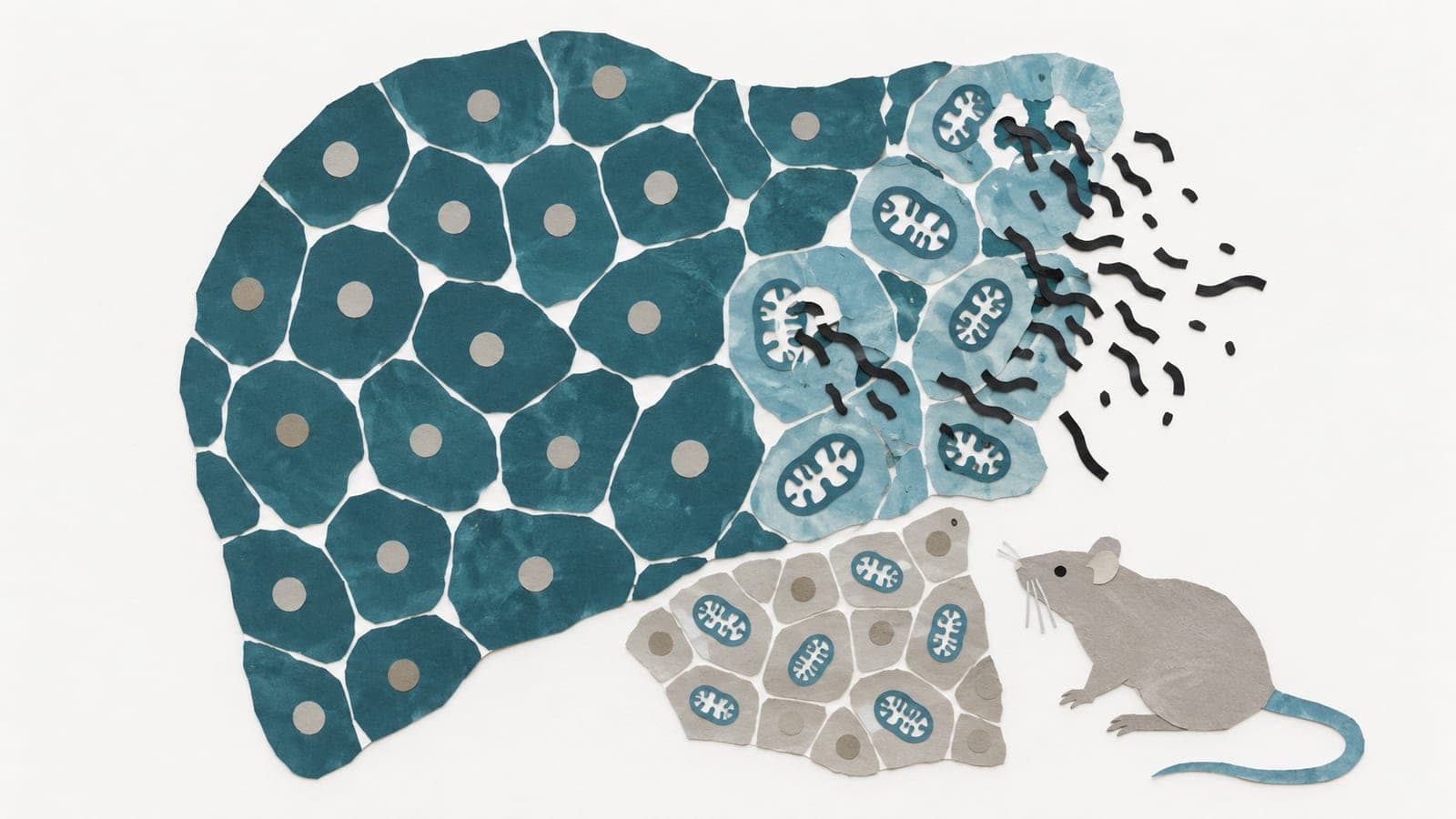
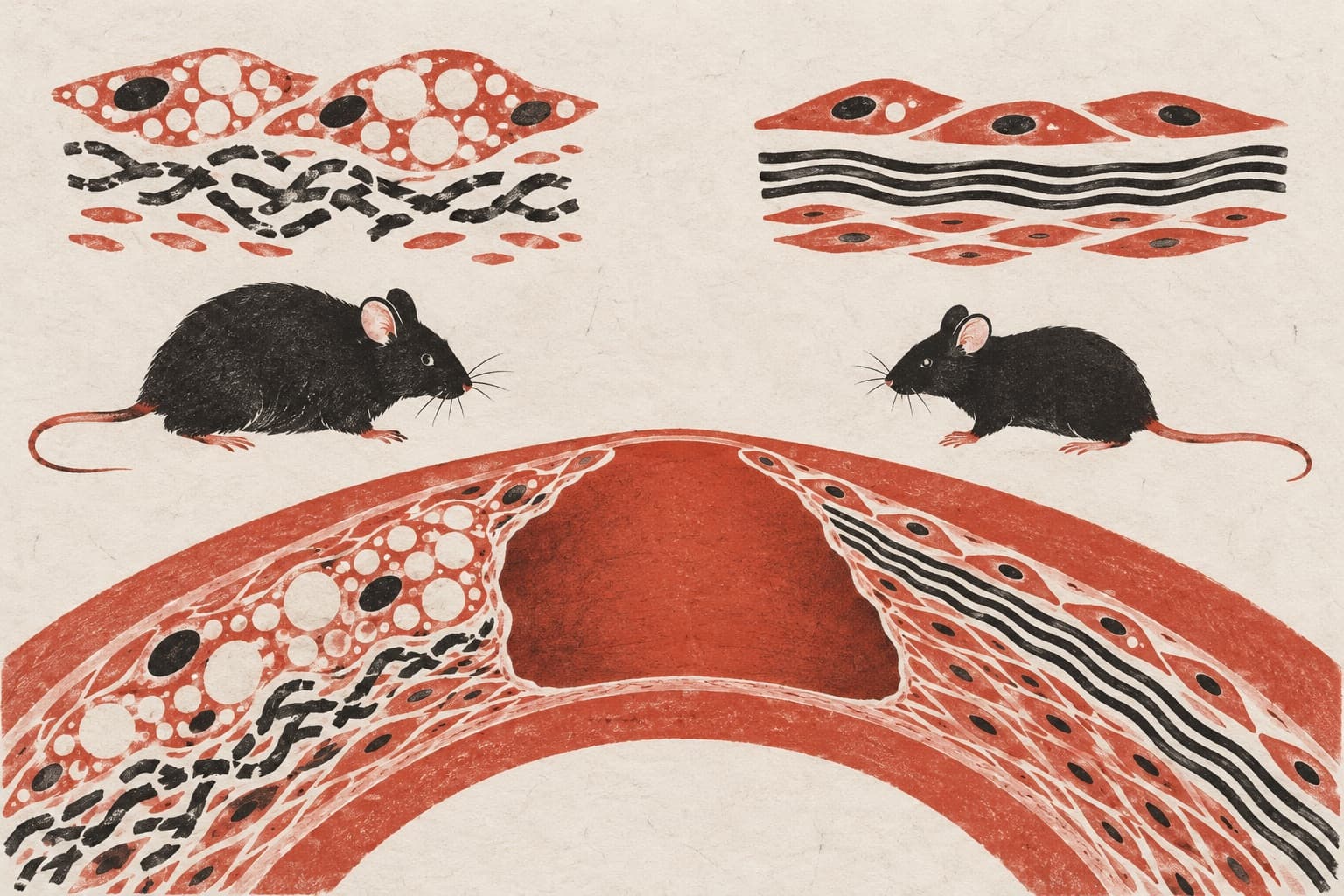
Fumarate is increasingly recognized as a metabolic signal with dual effects in cardiovascular disease. Pharmacologic doses of dimethyl fumarate (DMF) and its metabolite monomethyl fumarate (MMF) transiently activate Nrf2 and HCAR2 pathways, offering antioxidant, anti-inflammatory, and antifibrotic benefits. These include reduced endothelial activation, macrophage foam cell formation, and vascular remodeling in atherosclerosis, ischemia-reperfusion injury, hypertension, and diabetic cardiomyopathy. In contrast, sustained fumarate accumulation-due to fumarate hydratase 1 (FH1) loss-drives protein succination, cGAS-STING activation, HIF-1α stabilization, and epigenetic enzyme inhibition, promoting oxidative stress, inflammation, and cellular senescence. FH1 insufficiency is associated with plaque destabilization, renal dysfunction, and galectin-3-driven fibrosis. Despite promising preclinical results, human data remain limited: FH1 mutation syndromes rarely present with cardiovascular phenotypes, and DMF clinical trials have not evaluated major cardiovascular endpoints. Future studies should define a therapeutic window, develop succination biomarkers, and assess long-term effects to safely harness fumarate's hormetic potential in cardiovascular medicine.
The paper
University of Calgary; Western University
Journal of Cardiovascular Translational Research, 23 Sep 2025