Translating m6A-Glycolysis Discovery into Therapy: GOQD-Based Multifunctional Bioactive Scaffolds Rejuvenates Bone Repair in Senescence
Abstract
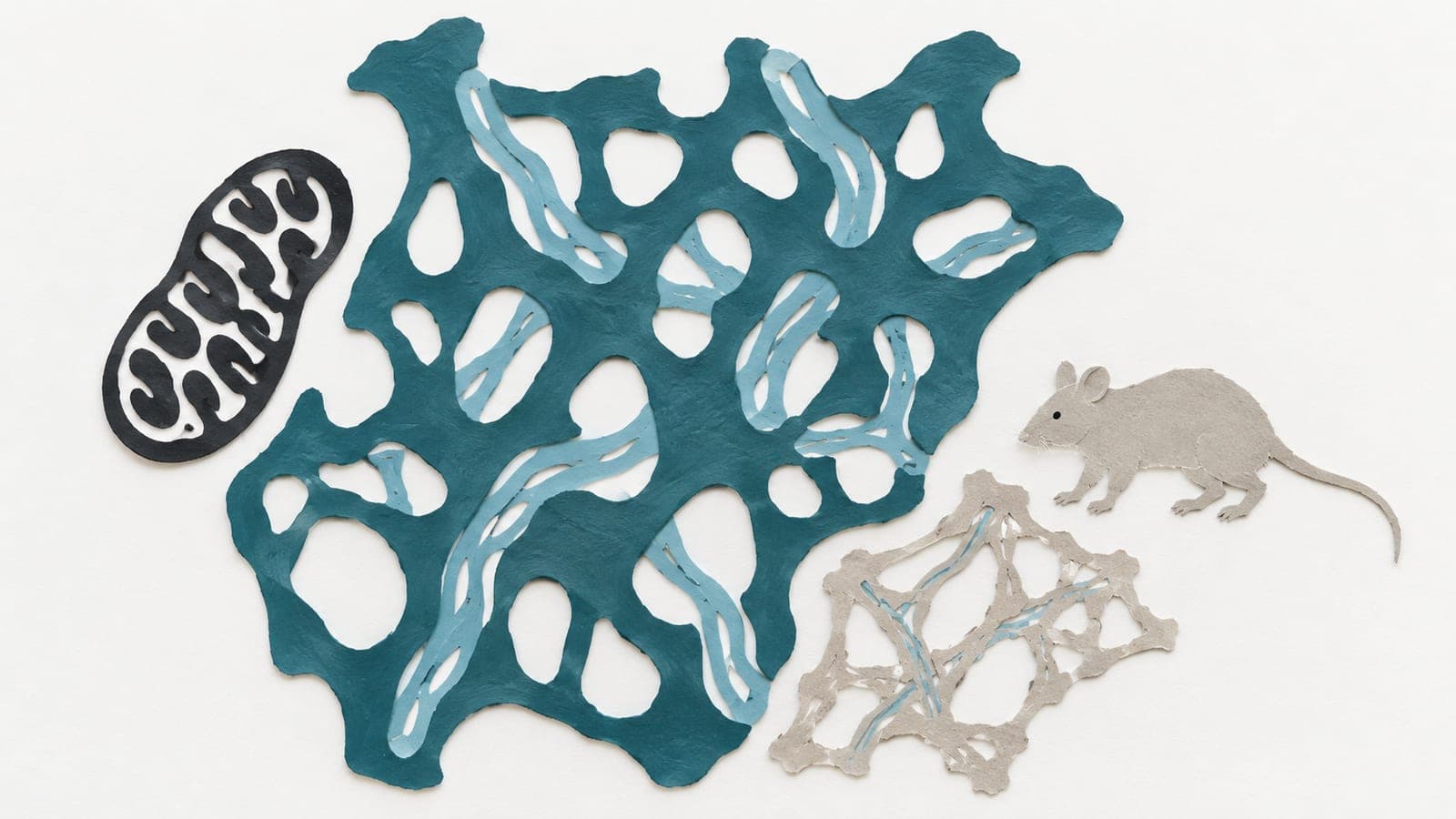
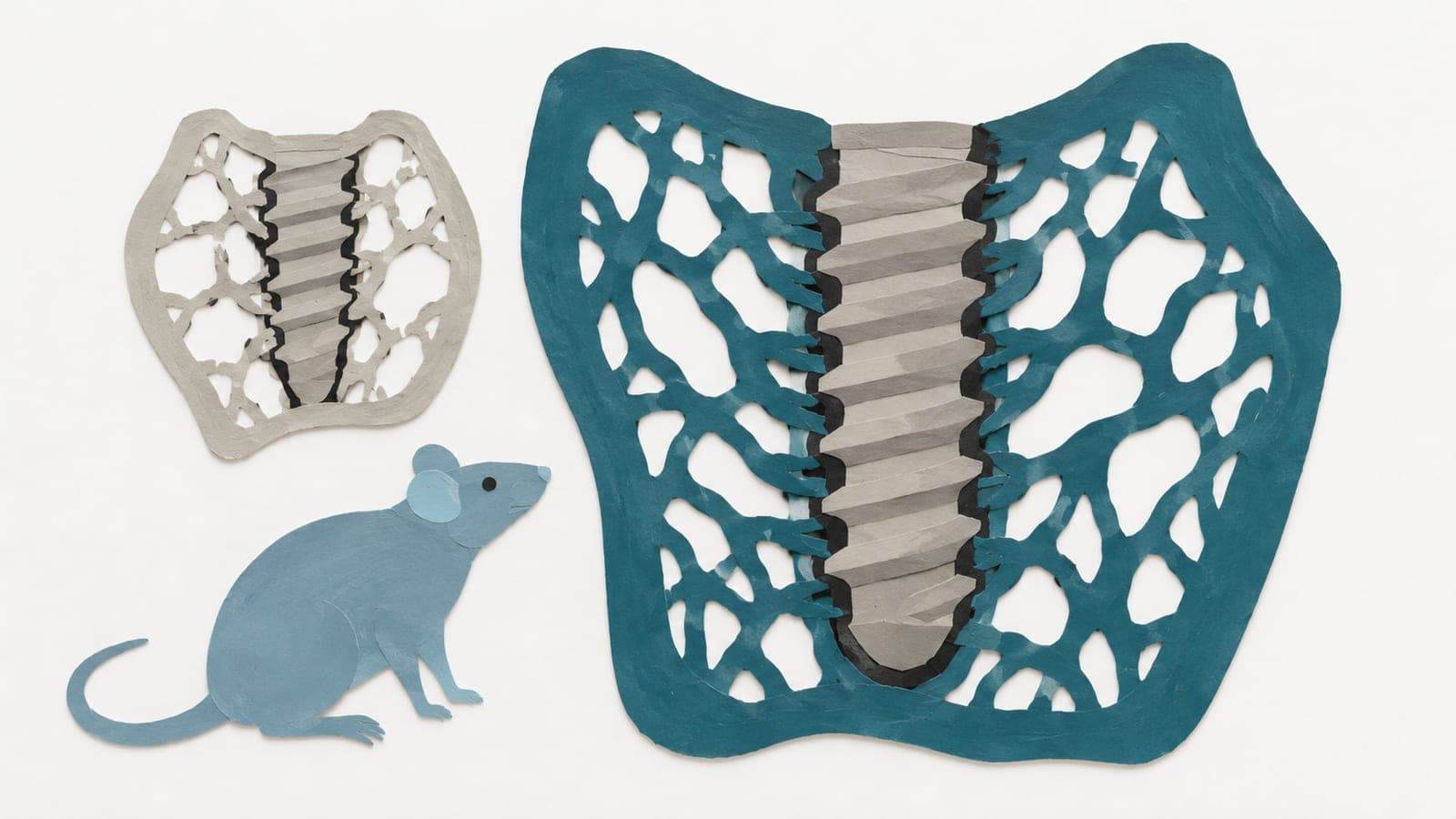
Senescence-related bone regeneration failure arises from the altered fate of senescent BMSCs(s-BMSCs). This study identified glycolysis dysregulation as a key factor in this process. Mechanistically, the downregulation of METTL3 in s-BMSCs destabilized ALDH3A1 mRNA, which subsequently triggered ubiquitin-mediated degradation of c-Myc-a key regulator of glycolysis. Targeting glycolysis altered s-BMSCs fate, promoting osteogenic differentiation while inhibiting adipogenesis. Building on the glycolysis-BMSCs fate relationship, graphene oxide quantum dots (GOQDs) are engineered that demonstrate the ability to potently activate glycolytic flux in s-BMSCs while concomitantly suppressing macrophage-mediated inflammatory responses and enhancing angiogenic capacity. Then, a hierarchically porous β-TCP scaffold is fabricated via 3D printing and subsequently functionalized with GOQDs through polydopamine biointerface-mediated modification, and BMSCs are integrated into the scaffold by fluid dynamics. This multi-biofunctional construct accelerates bone regeneration in critical-sized defects within senescent rat models, evidenced by the restoration of bone tissue compared to senescence-matched controls. These findings not only establish glycolytic modulation as a key determinant of s-BMSCs fate but also demonstrate an engineered therapeutic paradigm that simultaneously addresses two critical pathological dimensions: cellular fate dysfunction, vessel-immune microenvironment disorder in senescence-related bone regeneration.