Dual-Lineage Chondrocyte-Like Cells in the Nucleus Pulposus of Aging Intervertebral Discs Are Accelerated by Hedgehog Signaling Inactivation
Abstract
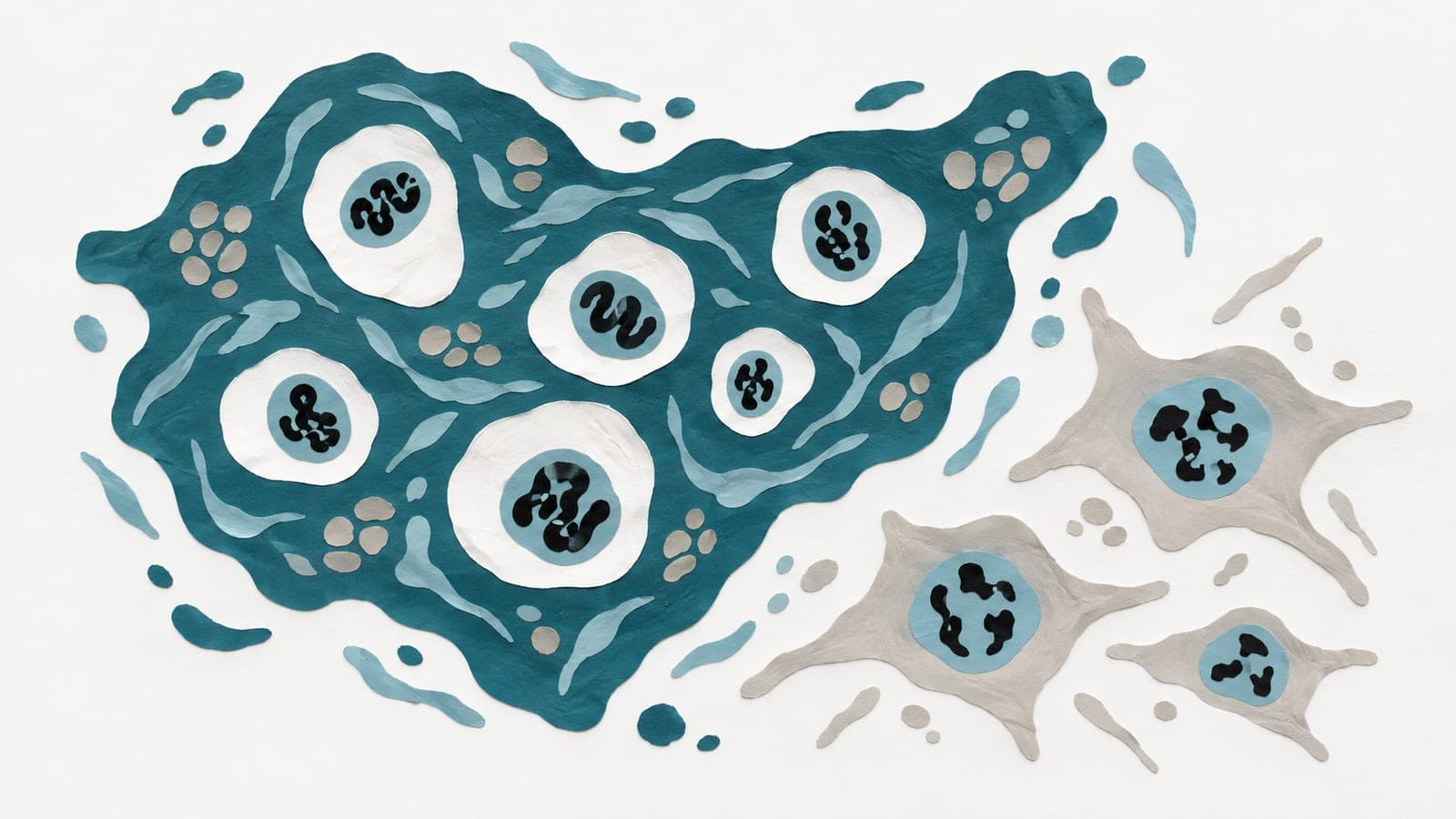
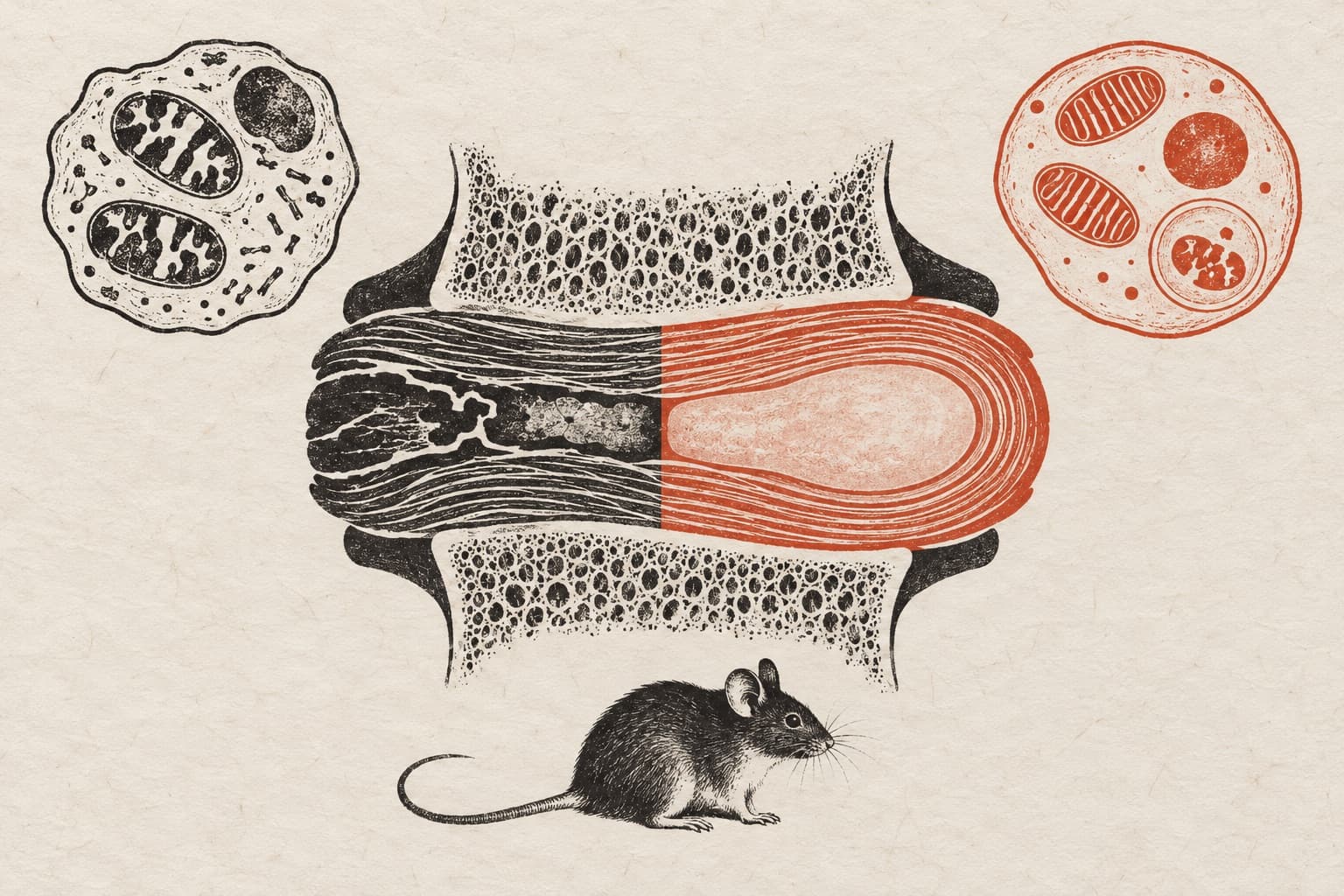
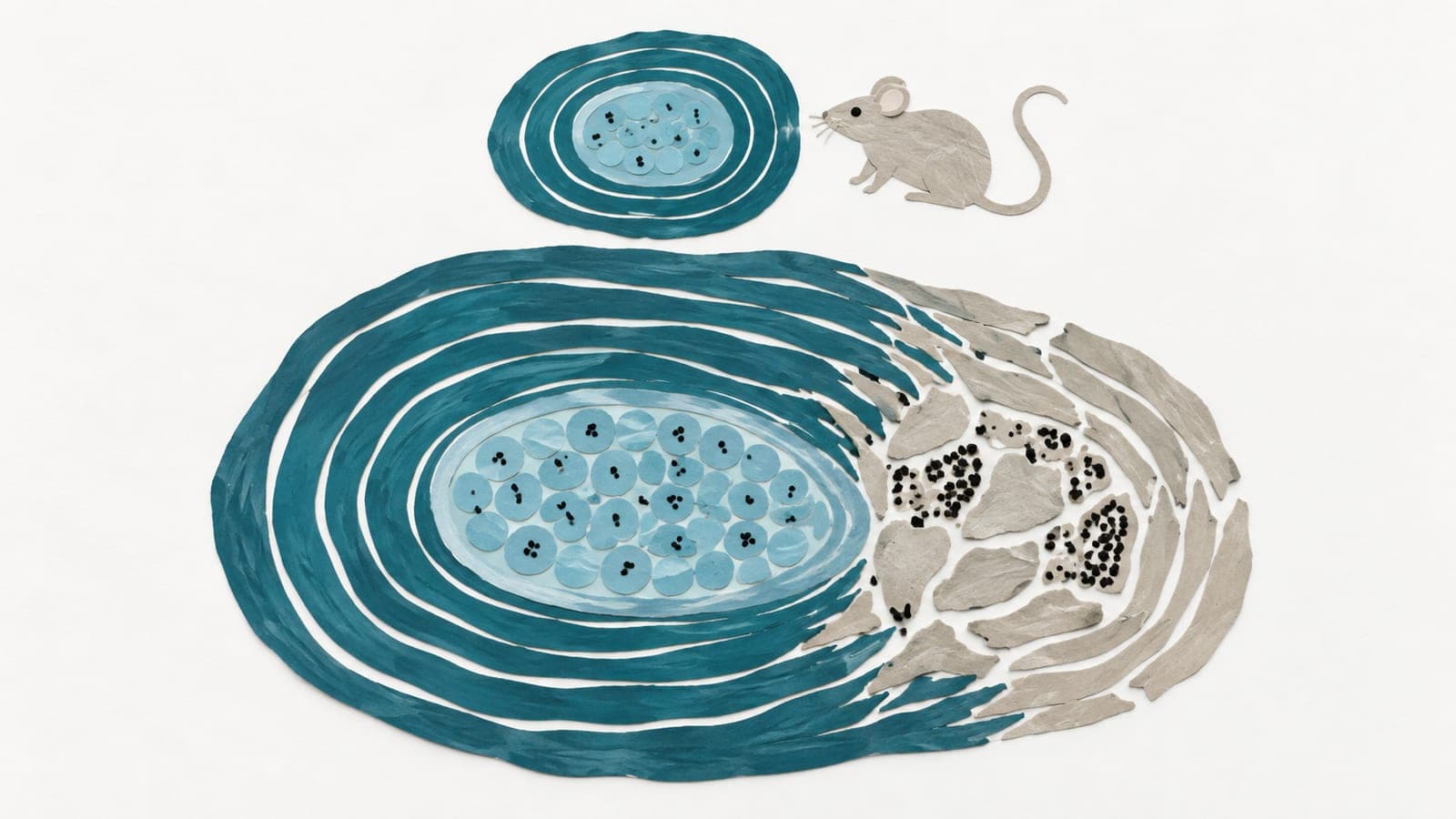
Intervertebral disc (IVD) degeneration, a major contributor to chronic low back pain, is characterized by the age-related replacement of notochord-derived nucleus pulposus cells (NPCs) with chondrocyte-like or fibrotic cells (CLCs). However, the cellular origins of CLCs and mechanisms driving their emergence remain contentious. Using genetic lineage tracing with Shh-Cre and Gli1-CreERT2 to track notochordal and non-notochordal cells, respectively, we demonstrate that CLCs arise from dual lineages: notochordal NPCs and non-notochordal Gli1⁺ progenitors. We identified three CLC subtypes, including nested (N-CLCs), clustered (C-CLCs), and disordered (D-CLCs), with distinct morphological and/or molecular profiles. N-CLCs and C-CLCs originate from NPCs, whereas D-CLCs derive from Gli1⁺ cells infiltrating the NP. Furthermore, conditional ablation of Smo, an essential transducer of Hh signaling, in adult discs accelerated degeneration and promoted both NP-derived (Krt19⁺ N-CLCs) and non-NPC-derived (Krt19⁻ D-CLCs) populations. These results establish that Hh signaling suppresses dual-lineage CLC expansion during aging. Our findings resolve controversies surrounding CLC origins, delineate their dynamic progression during degeneration, and highlight Hh signaling as a promising therapeutic target to counteract pathological cell fate shifts in aging discs.
- SMO
- Hedgehog signalling
- Chondrocyte-like cells
- Intervertebral disc degeneration
- Clustered chondrocyte-like cells
- Mice
The paper
Soochow University; Hangzhou City University
Aging Cell, 22 Sep 2025, Open access