Brain Microstructural Alteration and Its Implications for Postoperative Delirium in Elderly Surgical Patients: A Narrative Review
Abstract
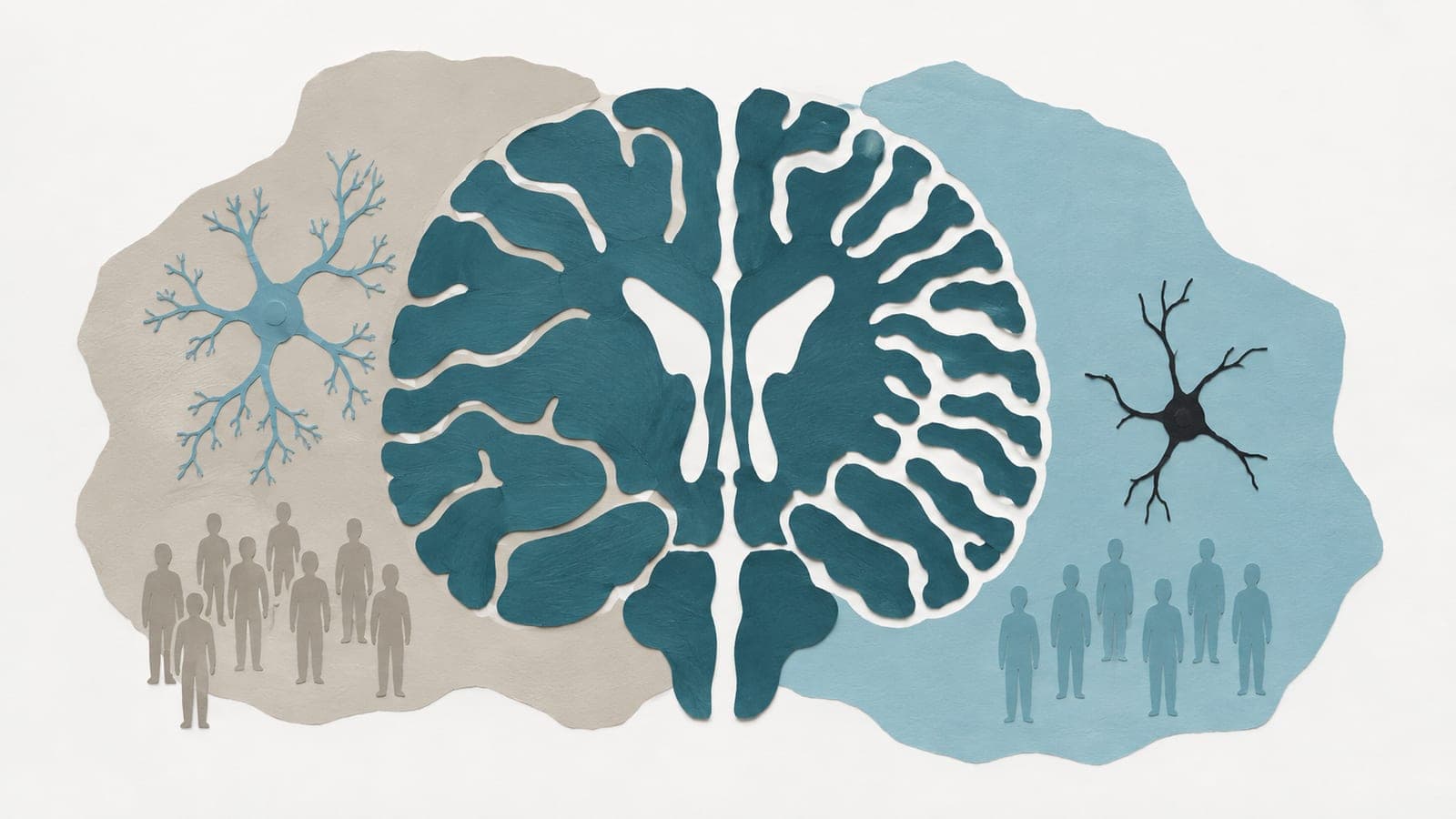
PURPOSE: Postoperative delirium (POD) remains poorly understood in terms of predictors and underlying mechanisms. This review summarized emerging evidence on the association between brain microstructural alterations and POD. METHOD: This is a narrative review, describing the microstructural changes in aging brain, microstructural MRI findings, relationship among microstructural alterations, cognitive reserve and POD, and potential interventions targeting microstructure. FINDING: Brain microstructural alterations may predispose elderly patients to POD, with variability in microstructural alterations in gray/white matter organization potentially determining the fate of brain aging and performance of cognitive reserve. Advanced neuroimaging techniques could play a critical role in understanding the microstructural changes, enabling better prediction of POD and elucidation of its pathogenesis. Enhancing brain resilience to mitigate the adverse effects of surgical trauma may prove vital in preventing POD. CONCLUSION: Pre-existing brain microstructural alterations may be associated with subsequent development of POD, interventions targeting brain microstructure may decrease POD risk.
The paper
Fudan University Shanghai Cancer Center; Shanghai Medical College of Fudan University
Brain and Behavior, 1 Sep 2025