Parkin Acetylation-Mediated Mitophagy Orchestrates Periodontal Ligament Stem Cell Osteogenesis and Bone Regeneration During Ageing
Abstract
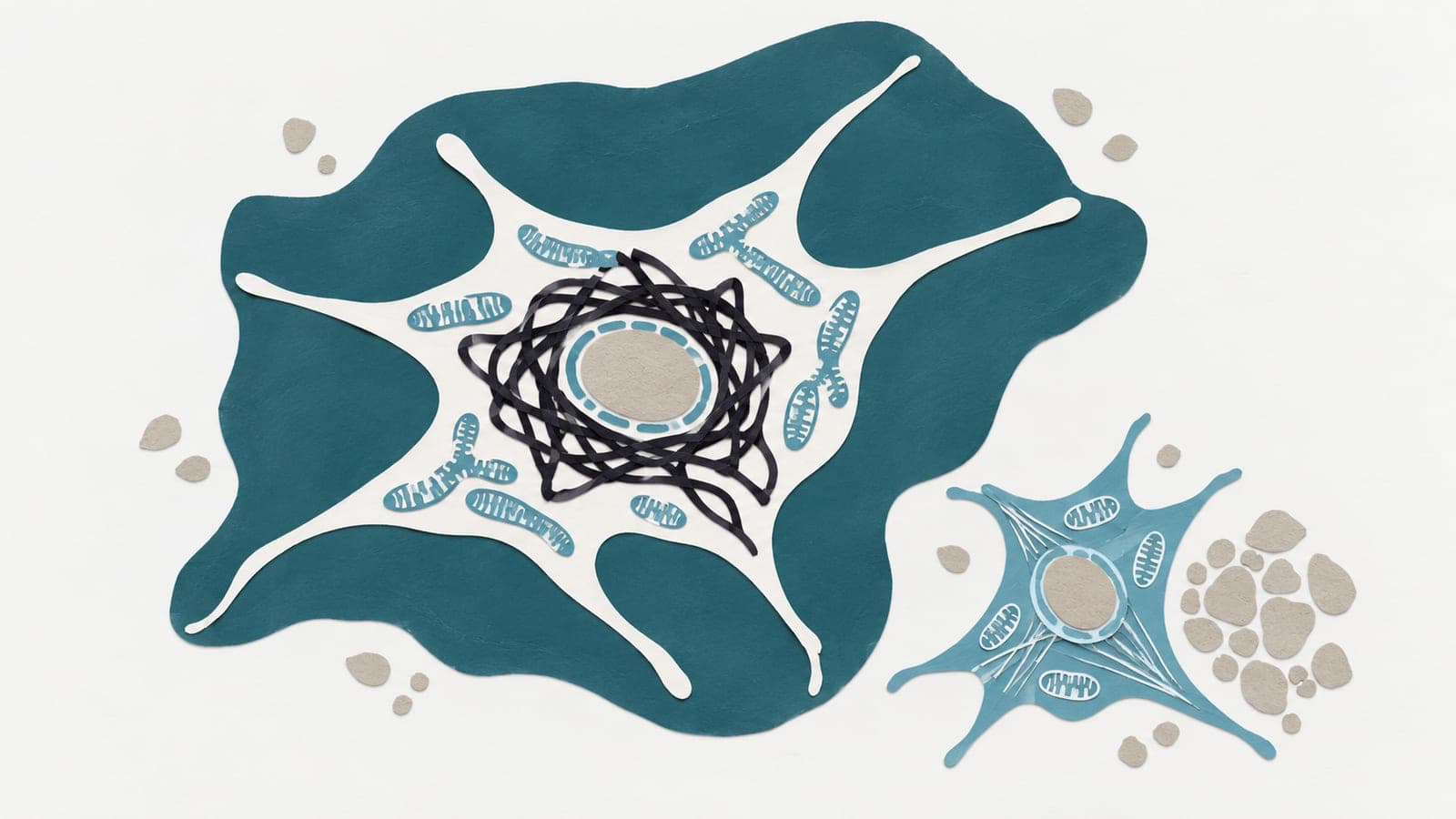
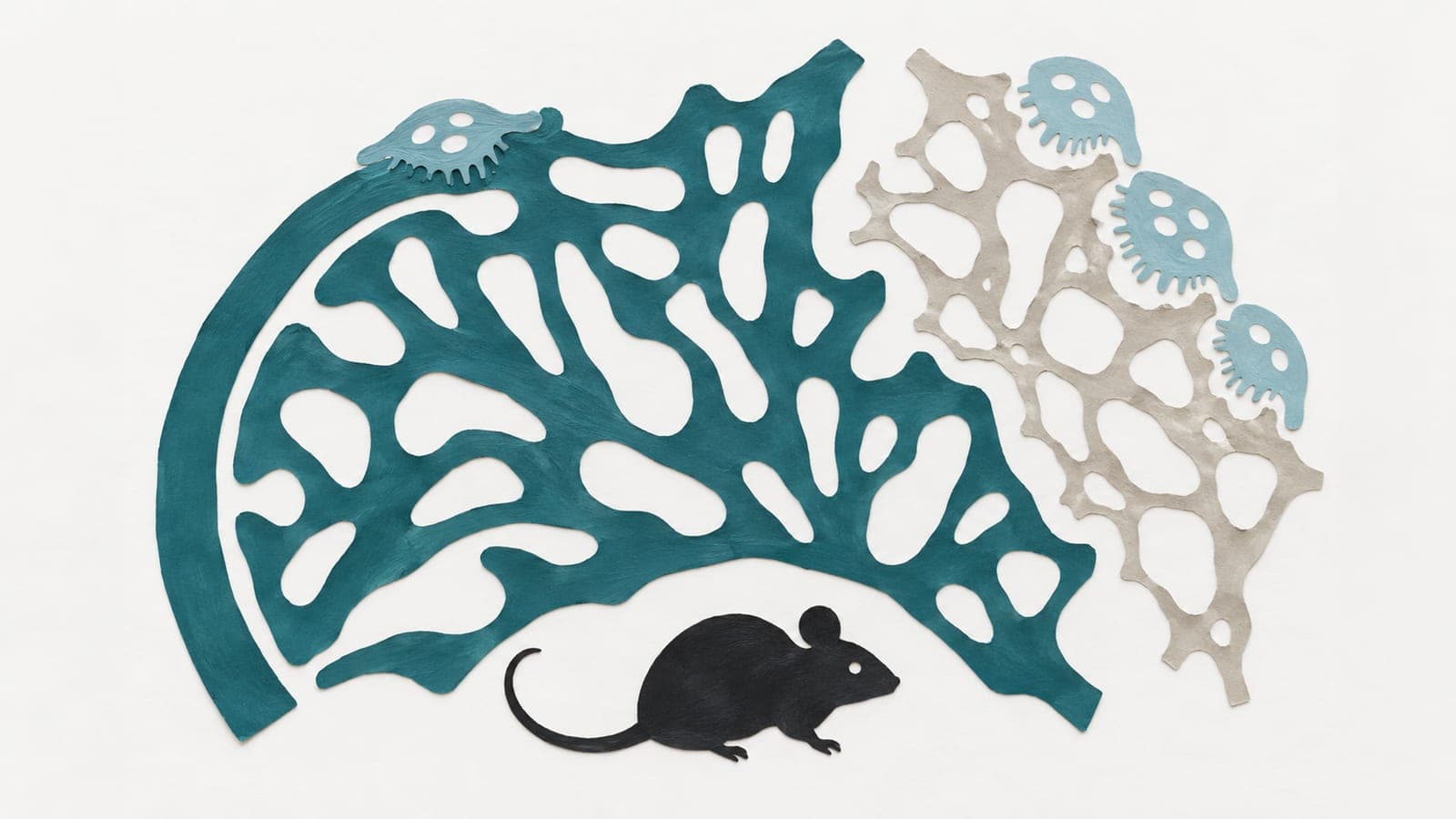
AIM: To investigate the functional significance of mitophagy in age-related osteogenic decline and the underlying mechanisms using in vivo and in vitro models. MATERIALS AND METHODS: An alveolar bone defect model in aged mice and a serial passaging-induced ageing model of human periodontal ligament stem cells (PDLSCs) were established. Osteogenic potential in mice was assessed by micro-CT, immunofluorescence, immunohistochemical analyses and histological staining. Osteogenic differentiation, mitochondrial function and mitophagy in PDLSCs were assessed using molecular techniques, cytochemical assays and imaging approaches. HDAC2-Parkin interactions and Parkin acetylation status were examined by mass spectrometry and immunoprecipitation to uncover key mechanisms. RESULTS: Senescent PDLSCs exhibited impaired mitophagy and osteogenic capacity. Enhancing mitophagy restored osteogenesis of senescent PDLSCs and bone regeneration in aged mice. Mechanistically, HDAC2-mediated deacetylation of Parkin suppressed mitophagy and osteogenesis during ageing. CONCLUSION: Activation of mitophagy reverses age-associated declines in osteogenic function, highlighting mitophagy as a therapeutic target for enhancing bone repair in the ageing population.
The paper
Tongji Hospital; Peking University
Journal of Clinical Periodontology, 7 Sep 2025