Rimonabant treatment partly attenuates skeletal muscle loss following immobilization in young and old sarcopenic male mice
Abstract
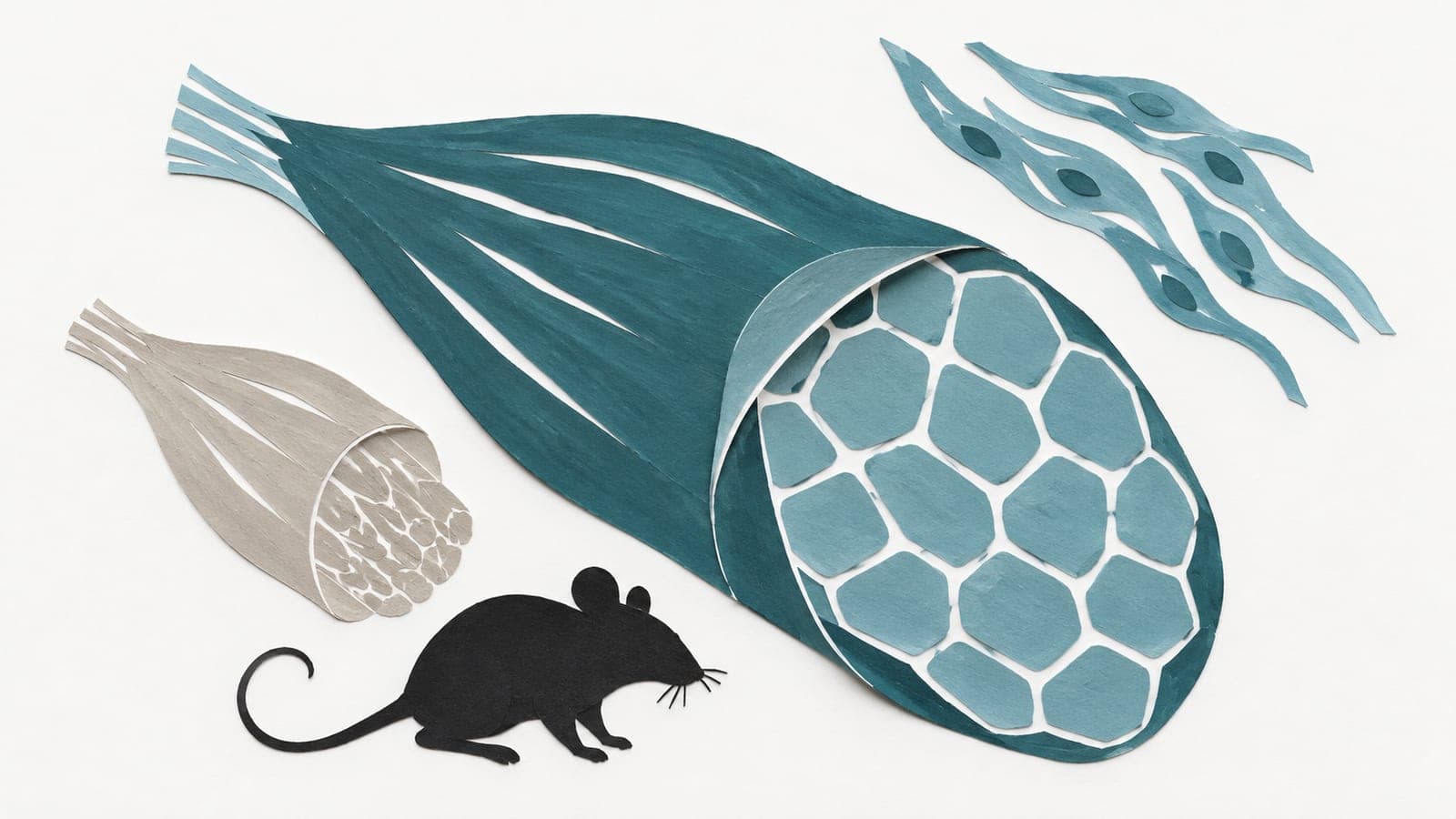
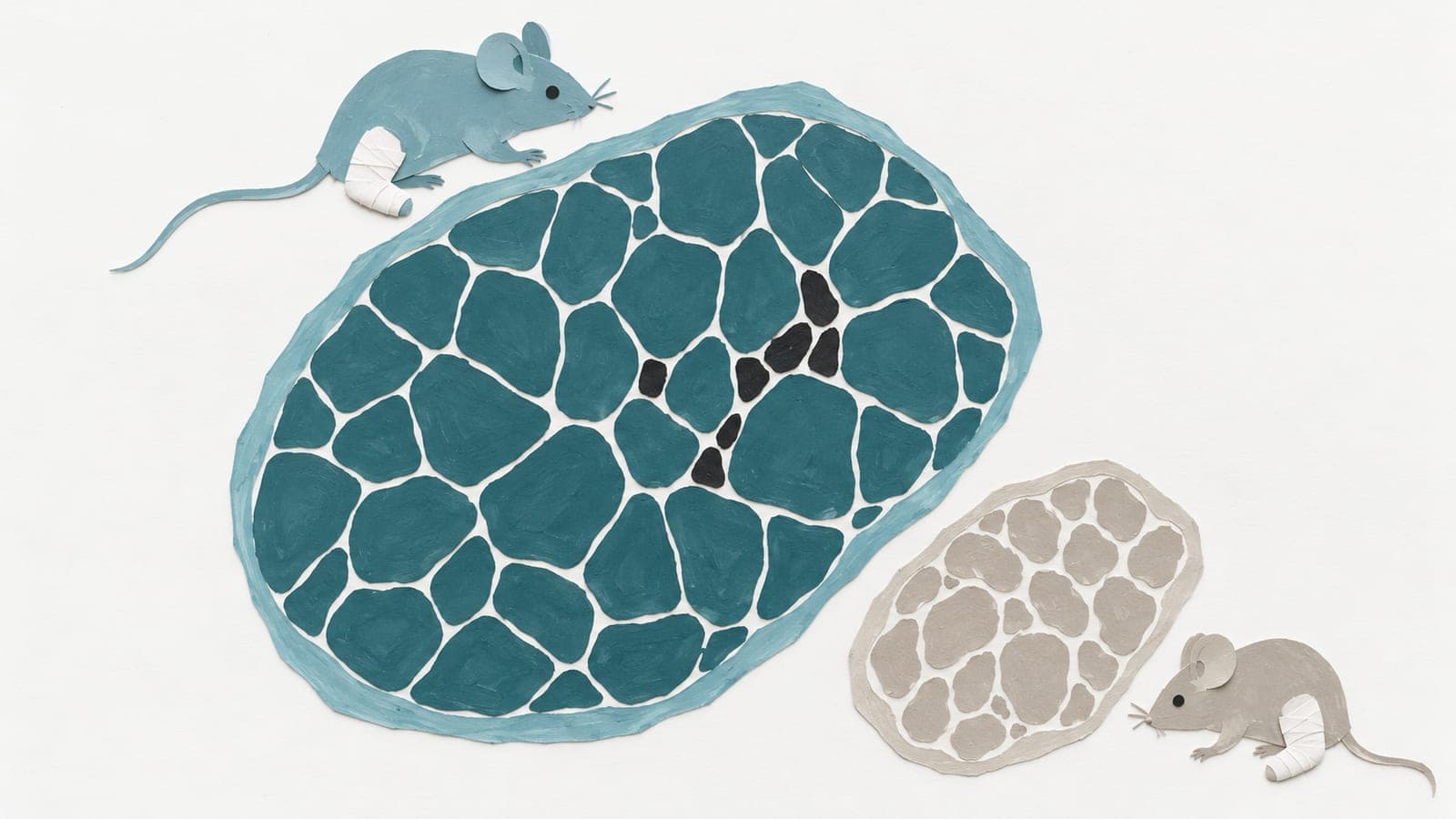
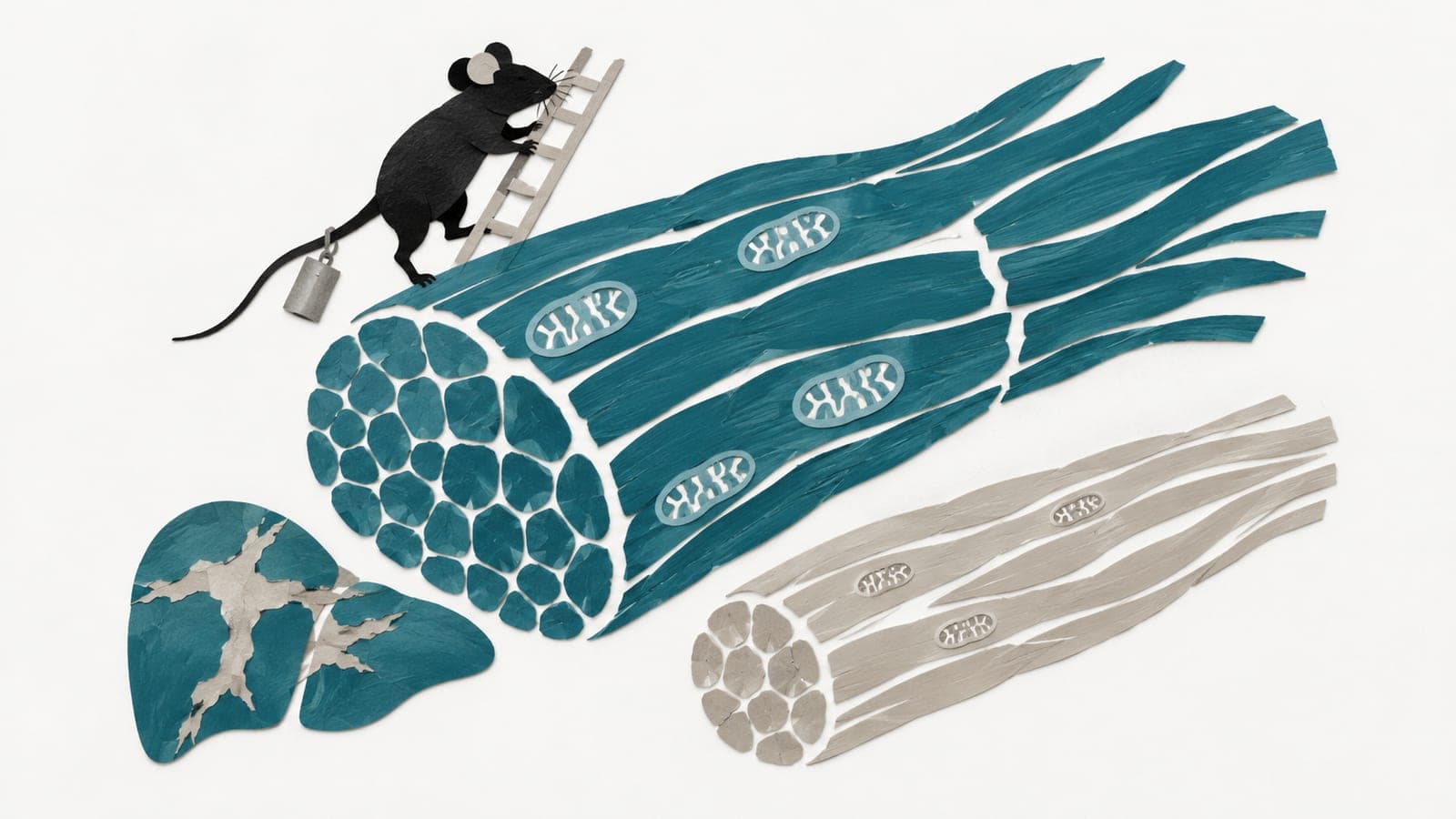
Muscle tissue is important for locomotion and metabolic health. Muscle disuse (eg, postoperative) occurs more often in older adults and results in rapid muscle wasting. Currently, there is no effective treatment to combat immobilization-induced atrophy, which is why novel therapeutic strategies are needed. Antagonism of cannabinoid receptor 1 (CB1) can stimulate muscle protein synthesis, thereby protecting against glucocorticosteroid-induced atrophy. However, its therapeutic potential against (age-related) immobilization-induced atrophy remains unknown. Therefore, we investigated the effect of CB1 antagonism on muscle responses following immobilization in young and old, sarcopenic male mice. One hind limb of young and old male C57BL/6 mice was immobilized for 5 days, during which they were treated with the CB1 antagonist Rimonabant (10 mg/kg per day) or vehicle. Hereafter, mice were euthanized and muscles were collected. Endocannabinoid, anabolic, and catabolic markers were analyzed in the gastrocnemius muscle via western blotting. Rimonabant attenuated immobilization-induced gastrocnemius muscle mass loss in both ages (-7.9% vs vehicle: -11.2%; P = .0027). Immobilization increased expression of the anabolic regulators (p-S6rp, p-4E-BP1), and of the catabolic markers (LC3b-II/I, MAFbx), which remained unaffected by Rimonabant treatment. Surprisingly, Rimonabant amplified the immobilization-induced decrease in muscle protein synthesis (-45.8% vs vehicle: -27%; P = .0180) to a larger extent in young vs old mice (P = .0005). Immobilization decreased the expression of the enzyme NAPE-PLD, responsible for the synthesis of the endocannabinoid anandamide, whereas its degrading enzyme FAAH was higher expressed. More research is needed to unravel the mechanisms underlying the muscle-sparing effect of Rimonabant and anandamide's role in muscle degeneration.
The paper
University of Antwerp; KU Leuven
The Journals of Gerontology, Series A, 28 Aug 2025