Analysis of Beta-Dystroglycan in Different Cell Models of Senescence
Abstract
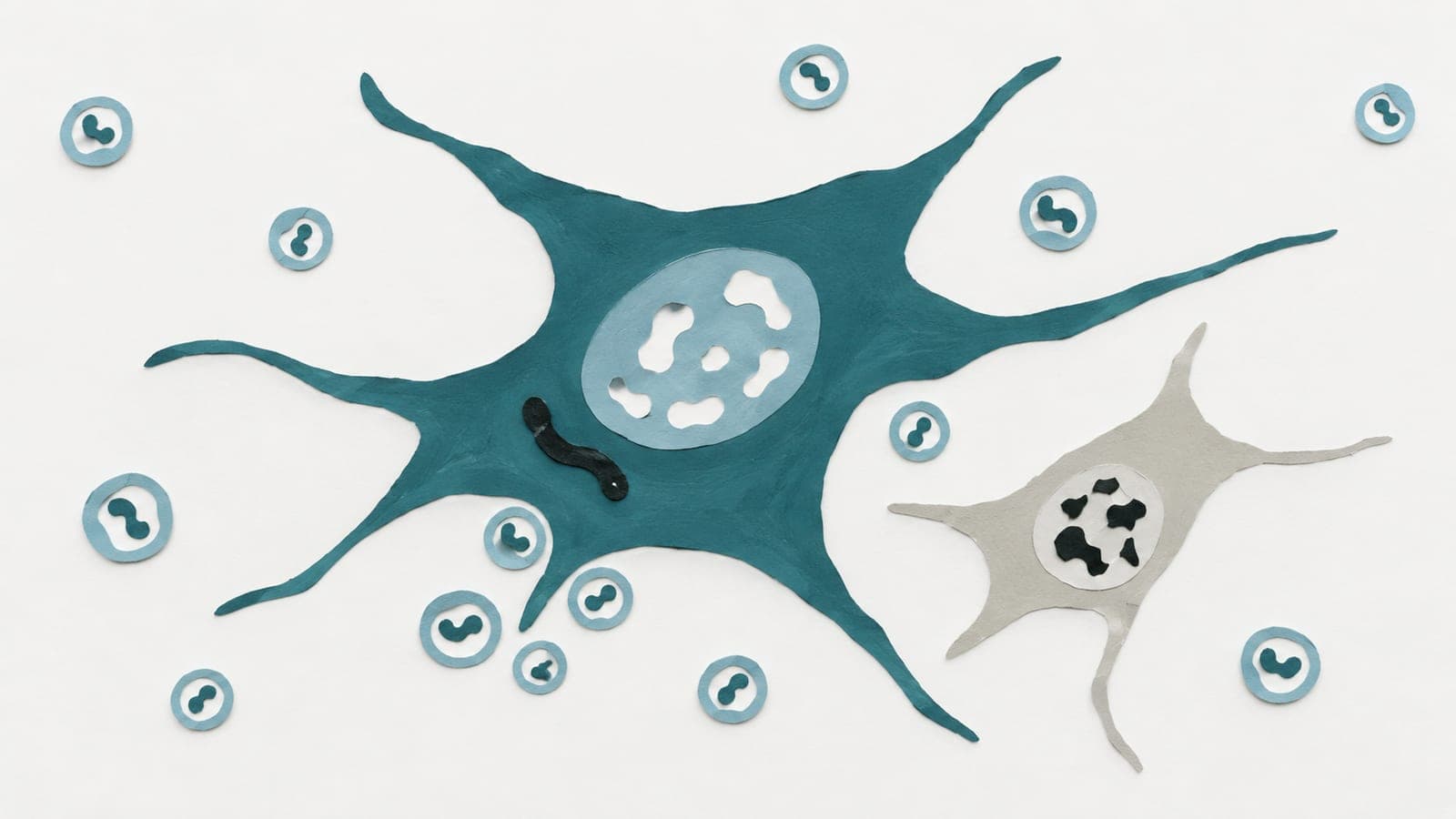
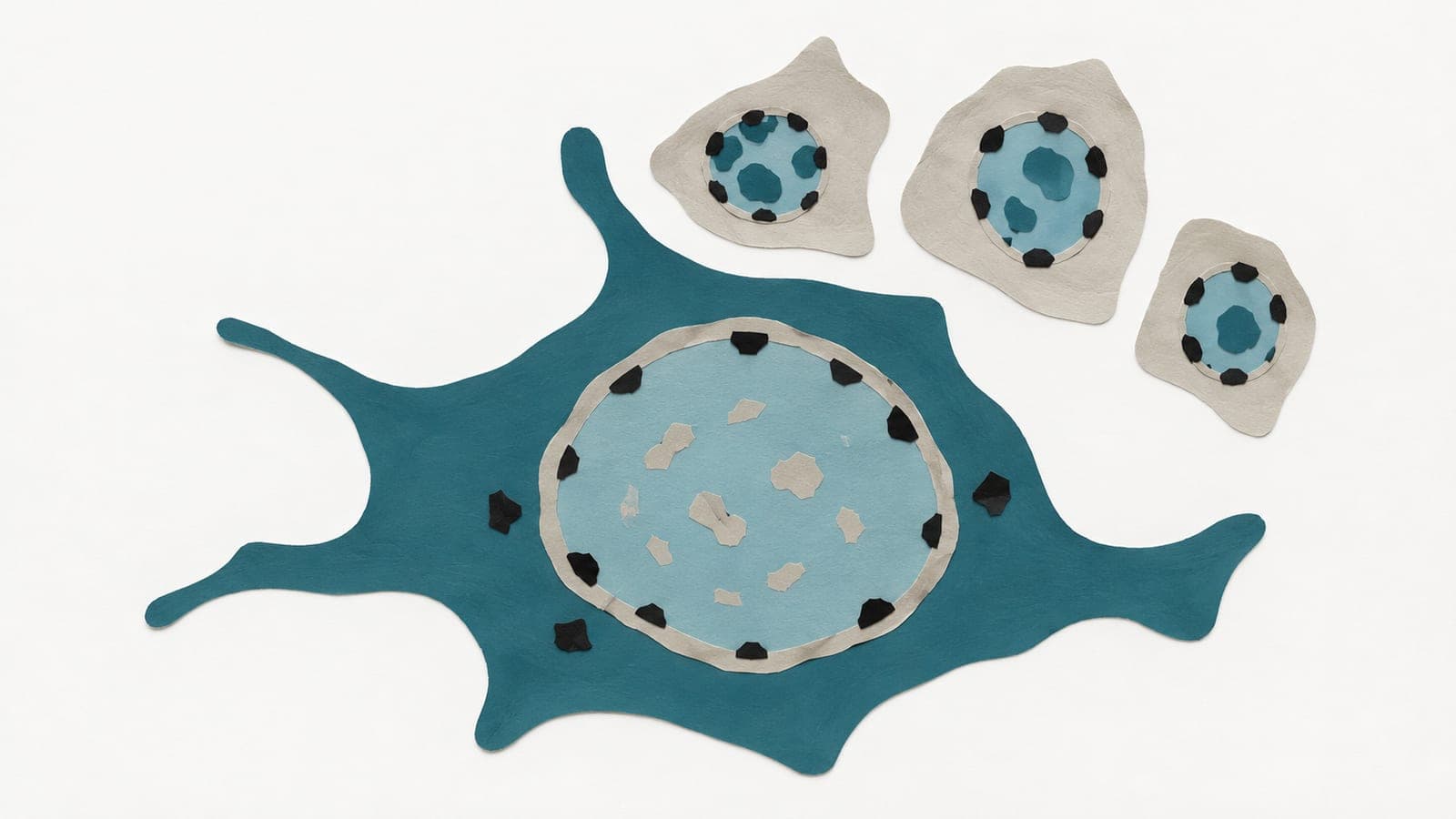
The functional diversity of β-dystroglycan is attributable to its dual distribution, the plasma membrane, and the nucleus. In the plasma membrane, β-DG is a component of the dystrophin-associated protein complex. In the nucleus, β-DG assembles with the nuclear lamina and emerin. Recent findings indicate a role for β-DG in senescence, as its knockout in C2C12 myoblasts induces genomic instability and promotes the senescent state. This study analyzed the behavior of β-DG in three distinct models of senescence: chronologically aged fibroblasts, sodium butyrate (NaBu)-induced senescent fibroblasts, and fibroblasts from a Hutchinson-Gilford progeria syndrome (HGPS) patient. β-DG was found mainly in the nucleus in all the senescent cell types, with a certain mislocalization to the cytoplasm in HGPS and NaBu-treated fibroblasts. Furthermore, the full-length β-DG (43 kDa) and the cleaved intracellular domain (ICD; ~26 kDa) were identified. The ICD level increased in aged fibroblasts, but its yield was poor or virtually nonexistent in NaBU-induced and HGPS fibroblasts, respectively. Remarkably, β-DG was sequestered by progerin in HGPS cells, hindering its interaction with lamin A. In summary, the observed alterations in β-DG may be associated with the senescent state, and such findings will serve for future studies aimed at elucidating its role in senescence.
The paper
Instituto Nacional de Rehabilitación; Instituto Politécnico Nacional
International Journal of Molecular Sciences, 10 Aug 2025