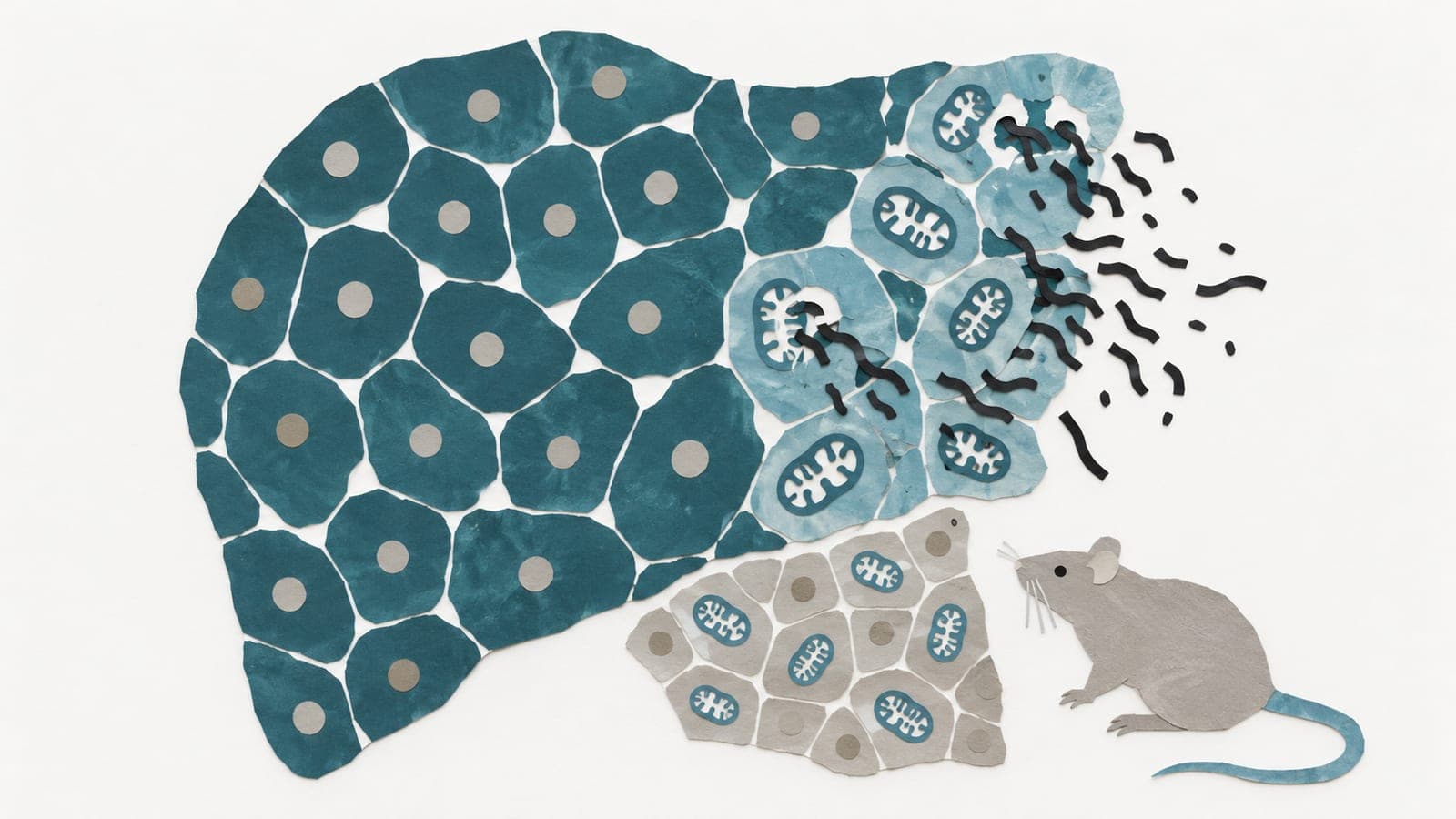
Zanthoxylum armatum DC. Extract induced liver injury via DNA double-strand breaks-mediated cellular senescence pathway
Abstract
AIM OF THE STUDY: To comprehensively explore the impact of Zanthoxylum armatum DC. (ZADC) on liver injury and disclose its mechanistic underpinnings, thereby laying a scientific foundation for the secure application of ZADC. MATERIALS AND METHODS: The ethyl acetate extract of ZADC (ZADC-EA) was subjected to analysis via Q-Orbitrap LC-MS/MS. The damage effect of ZADC-EA was appraised by determining cell viability, liver function index, and inflammation levels. Western blot, RT-qPCR, flow cytometry, and immunofluorescence were employed to detect DNA double-strand breaks (DSBs) and cellular senescence, with the aim of unraveling the mechanism of liver injury instigated by ZADC-EA. RESULTS: Chemical composition analysis unveiled the presence of flavonoids, organic acids, and coumarins in ZADC-EA. Exposure to ZADC-EA caused a decrease in the viability of HepG2 cells and an elevation in the levels of liver injury markers and inflammatory factors. Moreover, treatment with ZADC-EA triggered DSBs and activated the p53-p21 pathway, culminating in the induction of cellular senescence. CONCLUSIONS: The research provides a novel perspective for the safety assessment of ZADC. It has been demonstrated that ZADC-EA can precipitate DSBs and induce cellular senescence by activating the p53-p21 signaling pathway, thereby giving rise to liver damage.
The paper
Chengdu University of Traditional Chinese Medicine
Fitoterapia, 21 Aug 2025
doi.org/10.1016/j.fitote.2025.106841PubMed 40848863
Corrected, 1 Sep 2026