Bisphenol A induces cellular senescence in SW1353 chondrocytes via miRNA-449a-mediated downregulation of SIRT1
Abstract
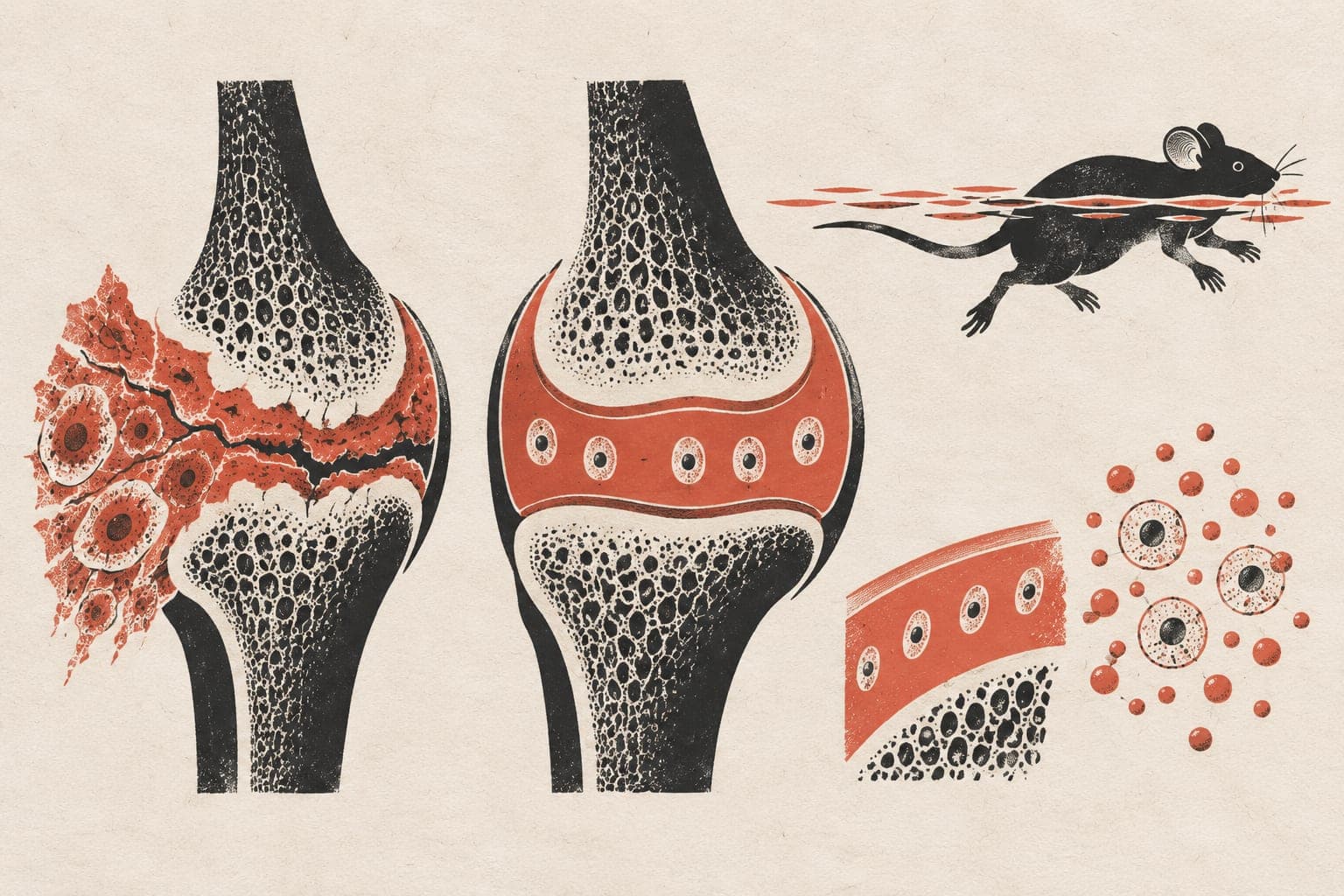
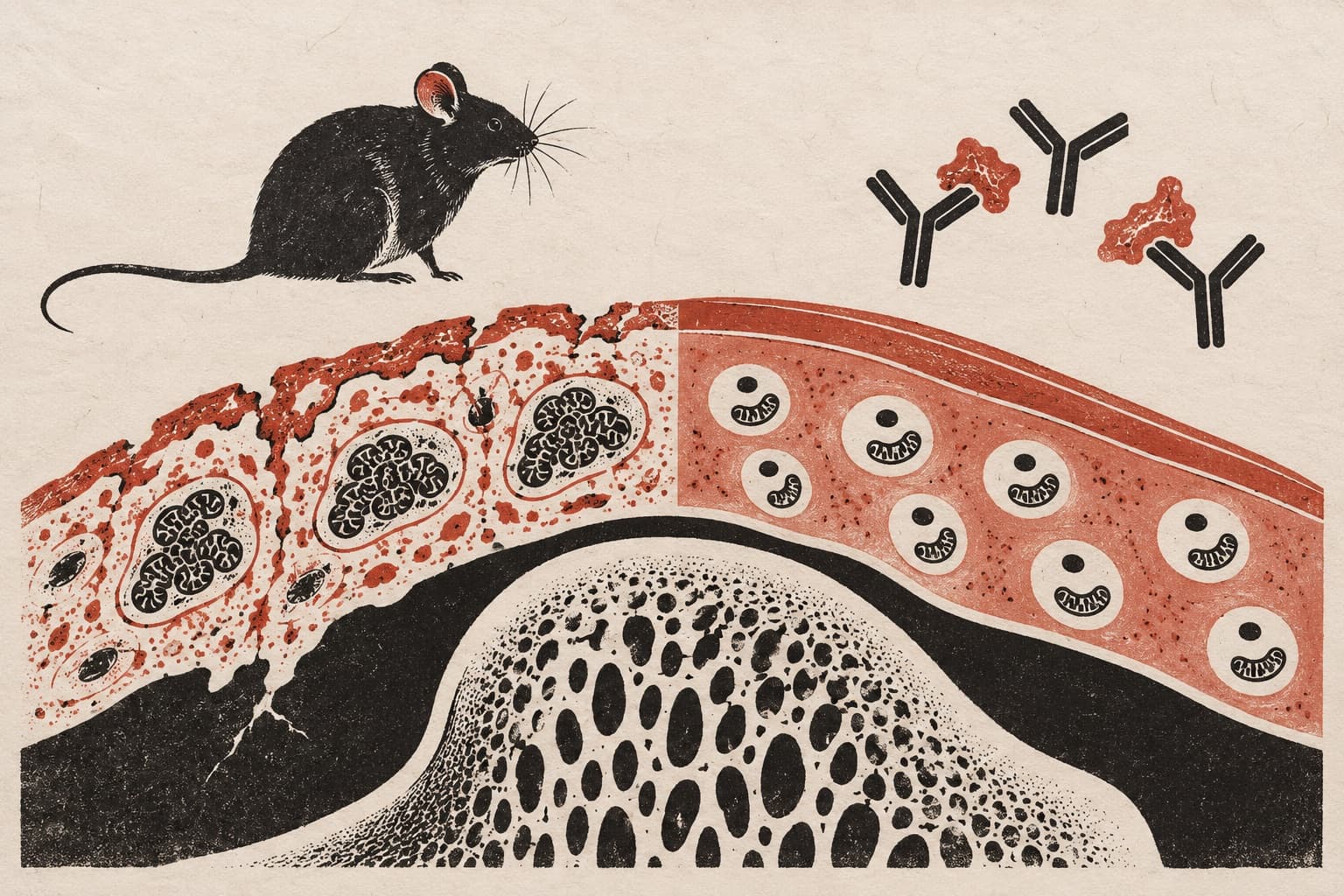
Bisphenol A (BPA) is reportedly linked to multiple human diseases. Recent studies found that it disturbs cartilage development and homeostasis. However, the exact molecular mechanisms are mostly unknown. This study aimed to elucidate how BPA impacts chondrocyte senescence and the regulatory molecular mechanism involved. After exposing SW1353 cells to 2.5, 5 or 10 μM BPA for 72 h, we found that 5 and 10 μM BPA notably increased the percentage of senescence-associated β-galactosidase-positive cells by 34.7 % and 45.3 %, respectively. The expression of senescence-associated proteins p53, p21 and p16 were notably upregulated, whereas that of anti-senescence protein bcl2-associated athanogene 1 declined greatly in BPA-treated cells. Moreover, 10 μM BPA greatly elevated the percentage of cells in the G0/G1 phase by 5.96 %, whereas it notably decreased those in the G2/M phase by 3.34 %. Additionally, BPA strongly downregulated the expressions of cell cycle markers cyclin D1, cyclin-dependent protein kinases 4 (CDK4) and CDK6. BPA also dose-dependently upregulated senescence-associated secretory phenotype factors interleukin-1 alpha, interleukin-1 beta, transforming growth factor beta and matrix metalloproteinase 13. Notably, BPA downregulated sirtuin 1 (SIRT1) expression. Resveratrol, an activator of SIRT1, effectively reversed the effects of BPA on senescence-associated proteins and reduced cell cycle arrest. We further identified that SIRT1 was a direct target of microRNA-449a by a luciferase reporter assay. Importantly, inhibition of miR-449a greatly reduced the percentage of SA-β-gal-positive cells by 21.3 % and reversed the expression of senescence-associated factors induced by BPA. Taken together, our results indicated that BPA induces chondrocyte senescence via miR-449a-mediated downregulation of SIRT1, revealing a novel molecular mechanism of BPA-induced chondrocyte senescence.
The paper
China Medical University
Ecotoxicology and Environmental Safety, 22 Aug 2025