Exercise improves aging-induced cardiac dysfunction and prolongs lifespan via Hmgcr
Abstract
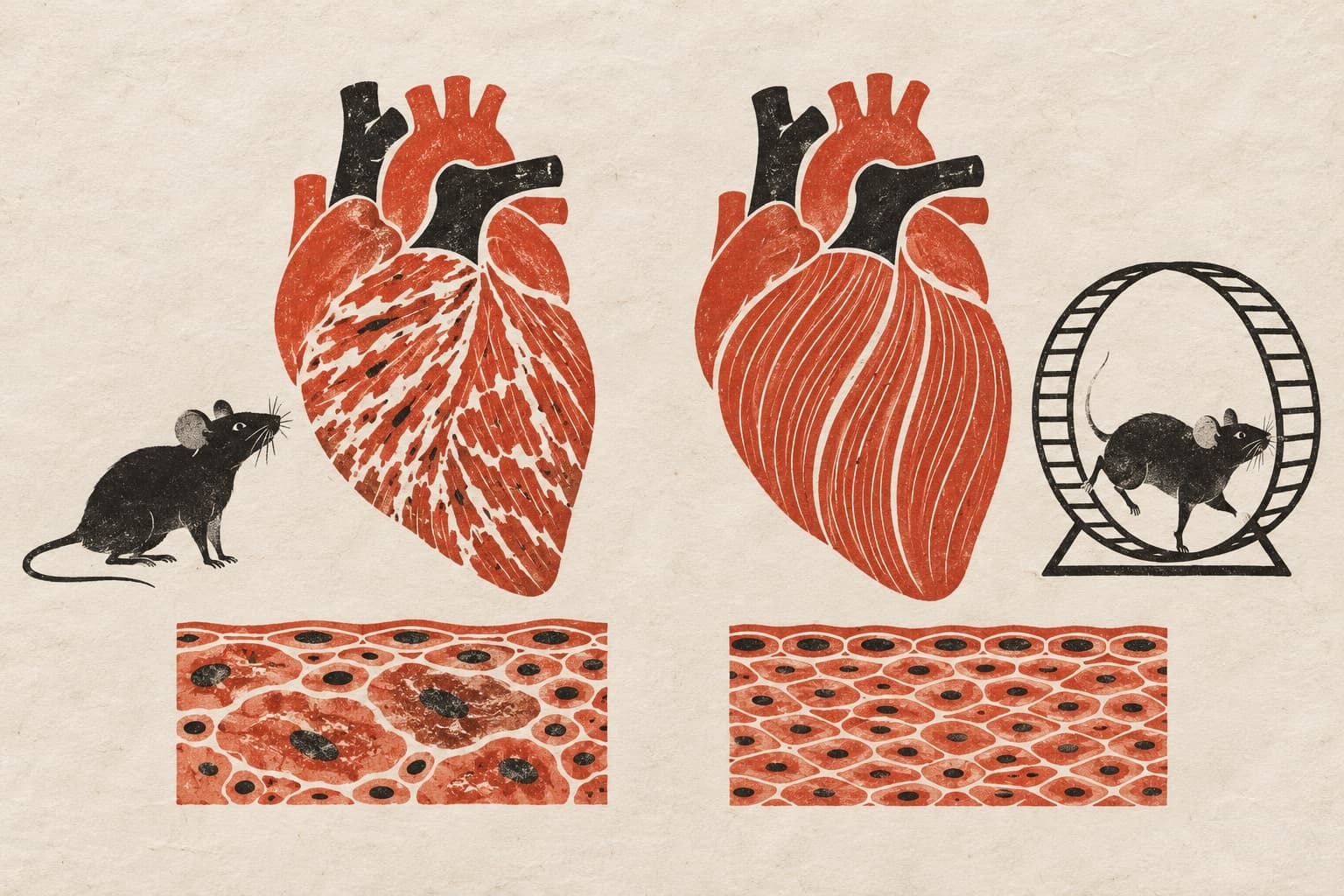
Since the incidence of cardiovascular disease increases dramatically with age, it is crucial to understand the molecular mechanisms of heart damage in aging and how to reduce the damage caused by aging to the heart. 3-Hydroxy-3-methylglutaryl coenzyme A (HMG-CoA) reductase (HMGCR) is the rate-limiting step in cholesterol biosynthesis and catalyzes the conversion of HMG-CoA to mevalonate (MVA). Hmgcr not only affects cholesterol synthesis during the development process, but also regulates primordial germ cell migration and affects heart development. We investigated the expression and function of Hmgcr during cardiac development and aging. Changes during cardiac development may affect its entire life cycle. We used the Drosophila aging model to explore the expression changes of Hmgcr in the aging heart. The results showed that aging led to a significant decrease in the expression level of Hmgcr in cardiac tissue, accompanied by impaired cardiac function. Specific upregulation of cardiac Hmgcr expression can significantly improve aging-related cardiac dysfunction and extend lifespan. Interestingly, exercise can improve cardiac function and extend lifespan by upregulating Hmgcr expression levels in the aging heart. This finding provides a new theoretical basis for exercise to improve aging heart function and lifespan.