Extracellular Vesicles of Adipose Multipotent Mesenchymal Stromal Cells Propagate Senescent Phenotype by Affecting PTEN Nuclear Import
Abstract
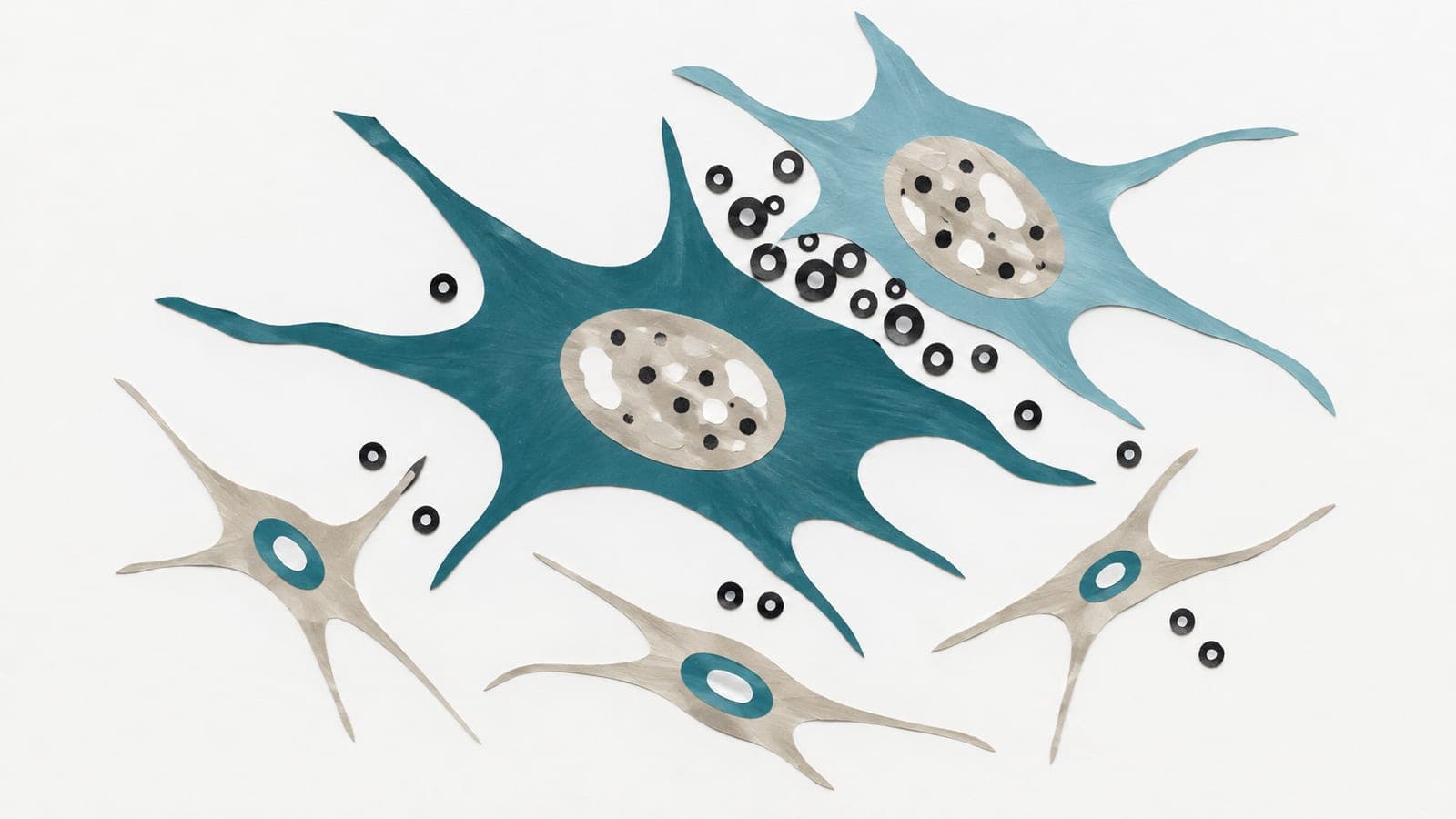
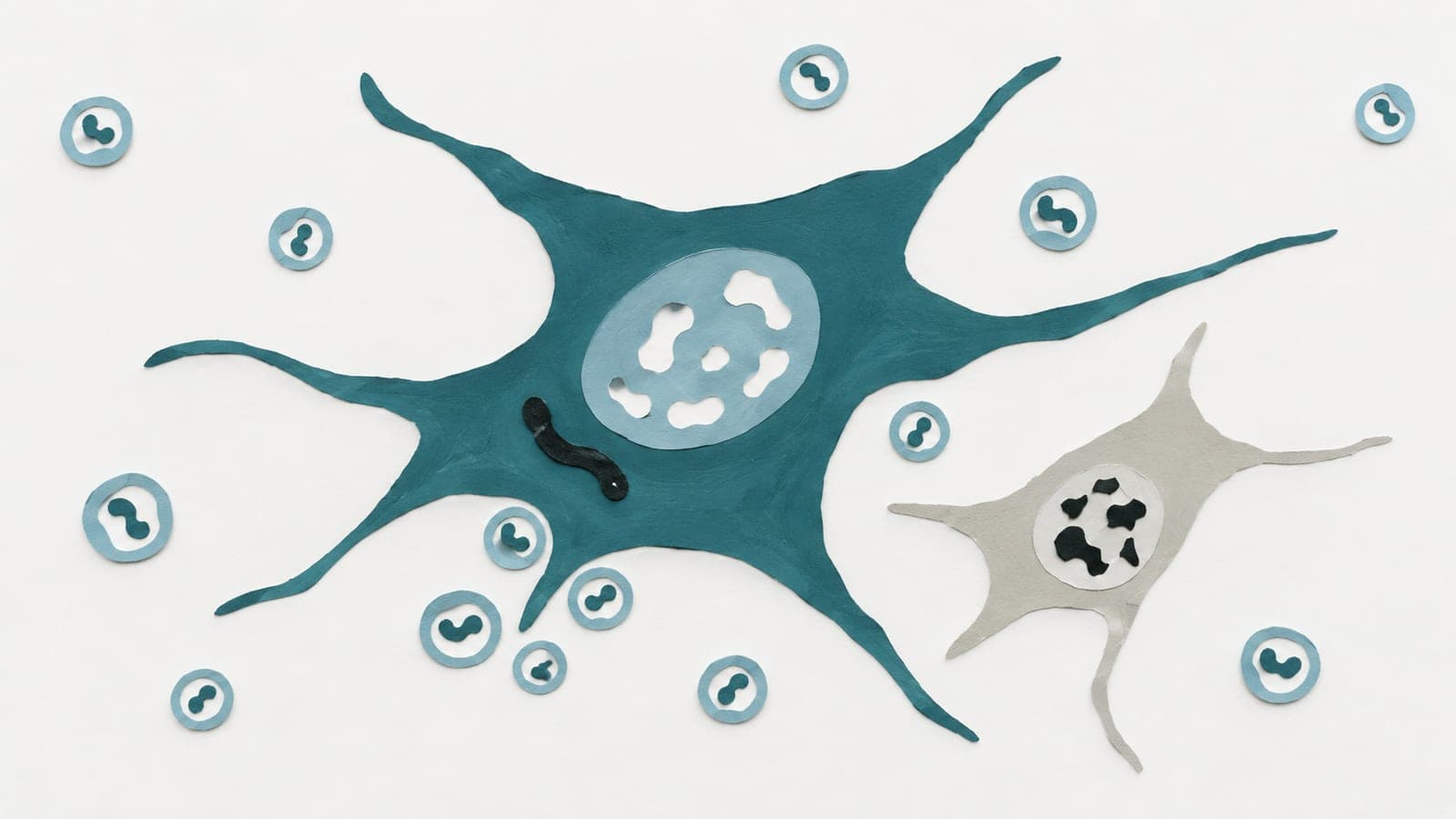
Replicative or stress-induced senescence disrupts the functioning of multipotent mesenchymal stromal cells (MSCs) required for tissue renewal and regeneration. Aged MSCs demonstrate reduced proliferation, impaired differentiation, and aberrant secretory activity, defined as "senescence-associated secretory phenotype" (SASP). SASP is characterized by elevated secretion of proinflammatory cytokines and specific extracellular vesicles (SASP-EVs), which affect the cellular microenvironment and promote tissue dysfunction. However, molecular mechanisms responsible for senescent phenotype propagation remain largely obscure. Earlier, we demonstrated suppression of adipogenic differentiation and insulin sensitivity of young MSCs by SASP-EVs. In this study, we elucidated potential mechanisms underlying SASP-EVs' effects on MSCs. Bioinformatic analysis revealed that insulin signaling components are the most probable targets of SASP-EVs microRNA cargo. We demonstrated that SASP-EVs downregulated intracellular AGO1 levels, but surprisingly, PTEN levels were upregulated. Specifically, the increase in PTEN content was provided by its nuclear fraction. We have found that the intracellular PTEN distribution in young MSCs treated by SASP-EVs was similar to senescent MSCs. Furthermore, PTEN upregulation was accompanied by increased PTENP1 expression-a molecular sponge for PTEN-targeting microRNAs. Our findings indicate that nuclear PTEN could be a hallmark of senescent MSCs, and SASP-EVs propagate the senescent phenotype in young MSCs by promoting PTEN nuclear localization.
The paper
Lomonosov Moscow State University
International Journal of Molecular Sciences, 24 Jul 2025