Redox-regulated signalling of adaptations to contractile activity in skeletal muscle: Implications for age-related muscle weakness
Abstract
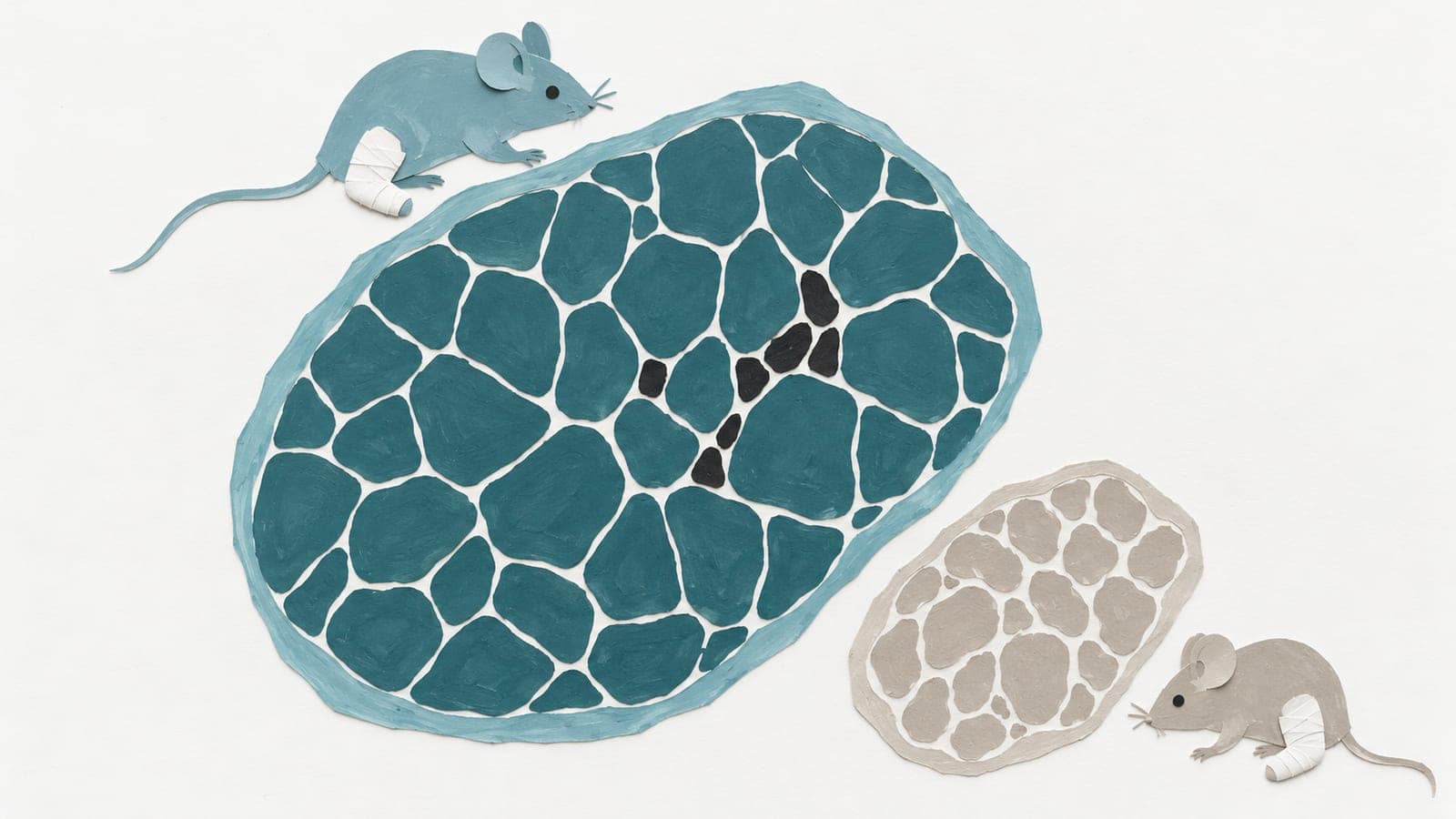
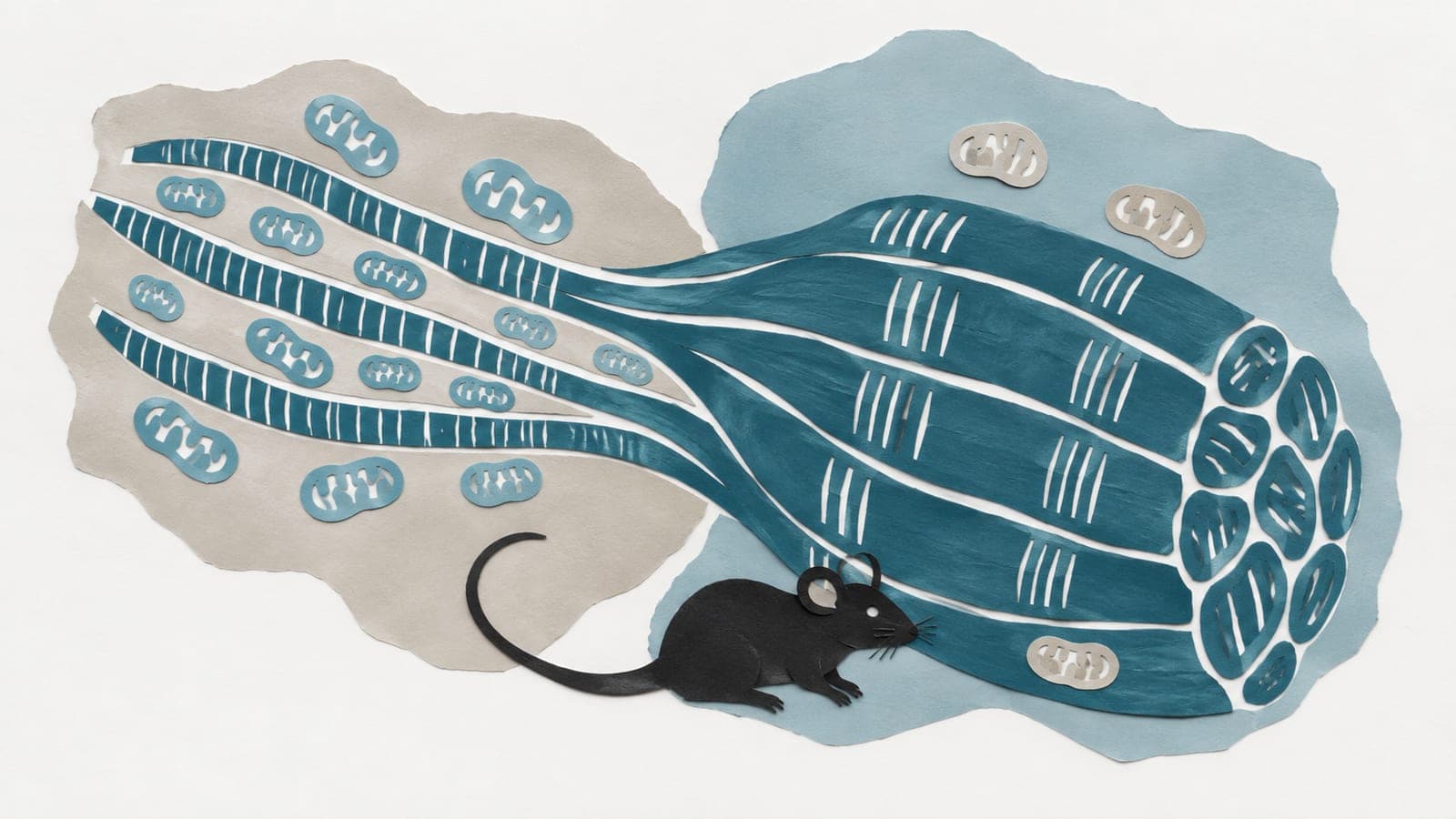
Skeletal muscle adaptation to contractile activity is modulated by redox signalling, primarily through reactive oxygen species (ROS) such as hydrogen peroxide (H₂O₂). Early research framed ROS as deleterious byproducts of exercise, but subsequent studies have established their roles as signalling molecules involved in mitochondrial biogenesis, stress responses and metabolic regulation. Central to this process appear to be peroxiredoxins (Prdxs), particularly Prdx2, which current evidence suggests mediate redox relays by sensing physiological H₂O₂ levels and initiating transcriptional programs. Our recent findings demonstrate that low levels of H₂O₂, or electrically induced contractions, rapidly oxidise Prdx1, Prdx2 and Prdx3 in mouse muscle fibres. Transcriptomic analysis of human skeletal muscle myotubes confirmed that Prdx2 is essential for upregulating mitochondrial genes in response to H₂O₂ or contraction. With ageing, skeletal muscle exhibits impaired redox signalling with elevated ROS levels. Using an ageing mouse model, we observed diminished Prdx2 oxidation during contraction, suggesting redox signalling dysfunction. This impaired response likely contributes to sarcopenia by blunting the adaptive capacity of aged muscle. Our findings emphasise the importance of redox homeostasis (not merely ROS suppression) in maintaining muscle health. Understanding the nuanced role of ROS and Prdxs in exercise adaptation and ageing could inform therapeutic strategies aimed at restoring redox-sensitive signalling to preserve muscle function across the lifespan.
The paper
University of Liverpool
Experimental Physiology, 5 Aug 2025, Open access