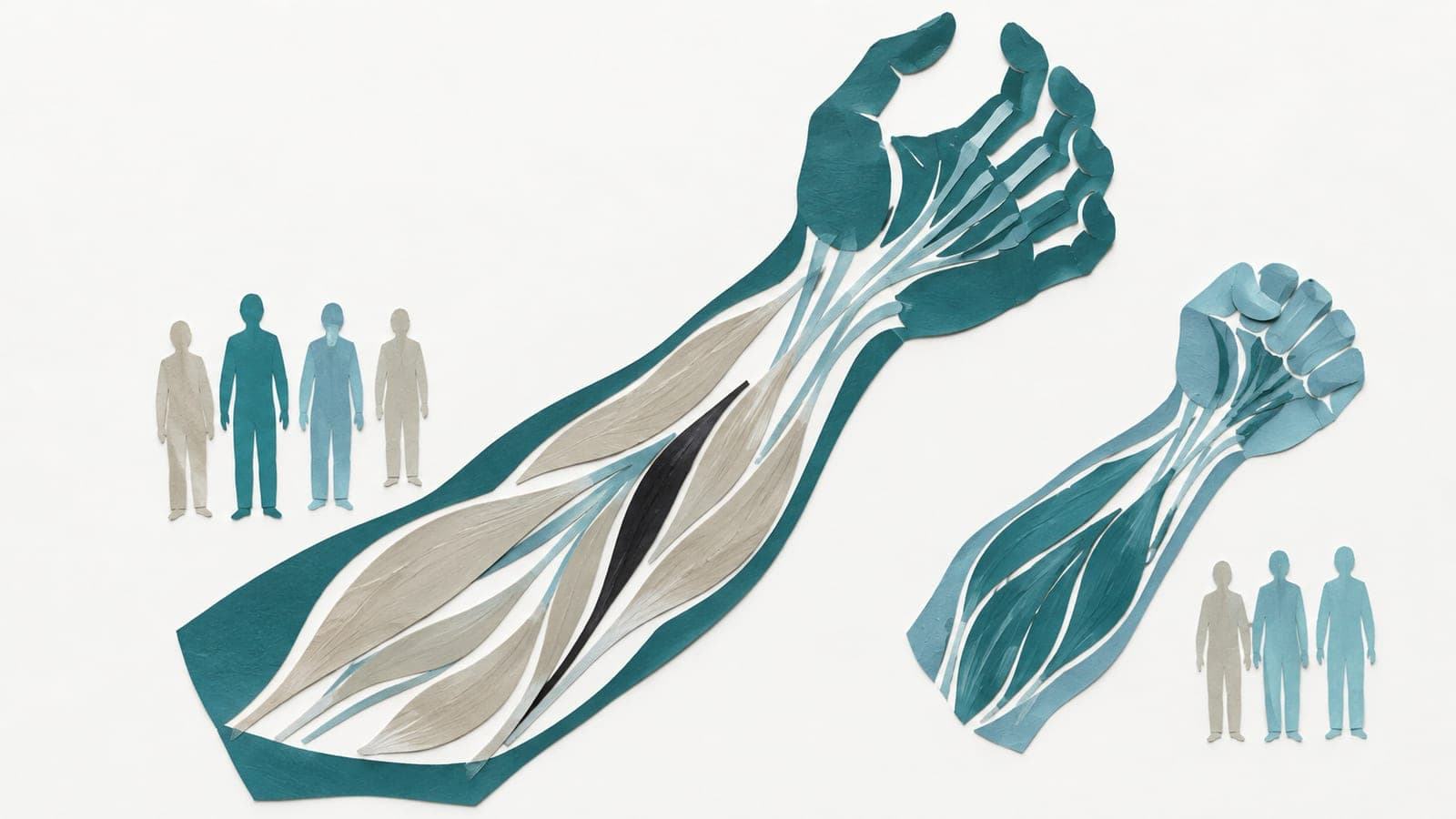
High hand-grip strength asymmetry and mortality risk in community-dwelling Japanese middle-aged and older adults: Results from the National Institute for Longevity Sciences-Longitudinal Study of Aging
Abstract
BACKGROUND: Hand-grip strength (HGS) asymmetry may represent an indicator of overall health, yet its relationship with mortality risk remains underexplored at different cut-offs and populations. We aimed to investigate the association between HGS asymmetry and all-cause mortality in Japanese adults. METHODS: Overall, 3420 Japanese adults aged ≥40 years from the National Institute for Longevity Sciences-Longitudinal Study of Aging cohort were categorized into three HGS groups: symmetric (0 - 10 %, reference group), mildly-asymmetric (10-20 %), and highly-asymmetric (>20 %). Additional analyses used two groups: symmetric-to-mildly-asymmetric (0 - 20 %, reference group) and highly-asymmetric (>20 %). RESULTS: Cox proportional hazards models adjusted for age (≥60 years), education level (≤9 years), body fat percentage, appendicular skeletal muscle mass index (kg/m²), depressive symptoms, sleep duration (h/day), morbidities (heart disease, hypertension, diabetes, and rheumatoid arthritis), smoking status, physical activity (METs*min/day), and weakness revealed that high HGS asymmetry, when HGS was divided into three groups, was significantly associated with higher mortality risk in males (hazard ratio [HR]: 1.40, 95 % confidence interval [CI]: 1.04-1.88) but not in females (HR: 1.25, 95 % CI: 0.94-1.66). When HGS was divided into two groups, high asymmetry was associated with higher mortality risk in males and females (HR: 1.34, 95 % CI: 1.00-1.78; and HR: 1.30, 95 % CI: 1.00-1.71, respectively). CONCLUSIONS: HGS asymmetry may provide valuable insights into mortality risk-with an asymmetry threshold >20 % potentially representing a key indicator-and highlight the importance of considering sex-specific factors during health assessments and when planning intervention strategies.
The paper
Universidade Federal de Sergipe; National Center for Geriatrics and Gerontology
Archives of Gerontology and Geriatrics, 24 Jul 2025