Osteoblast-CD4⁺ CTL Crosstalk Mediated by SIRT1/DAAM2 Axis Prevents Age-Related Bone Loss
Abstract
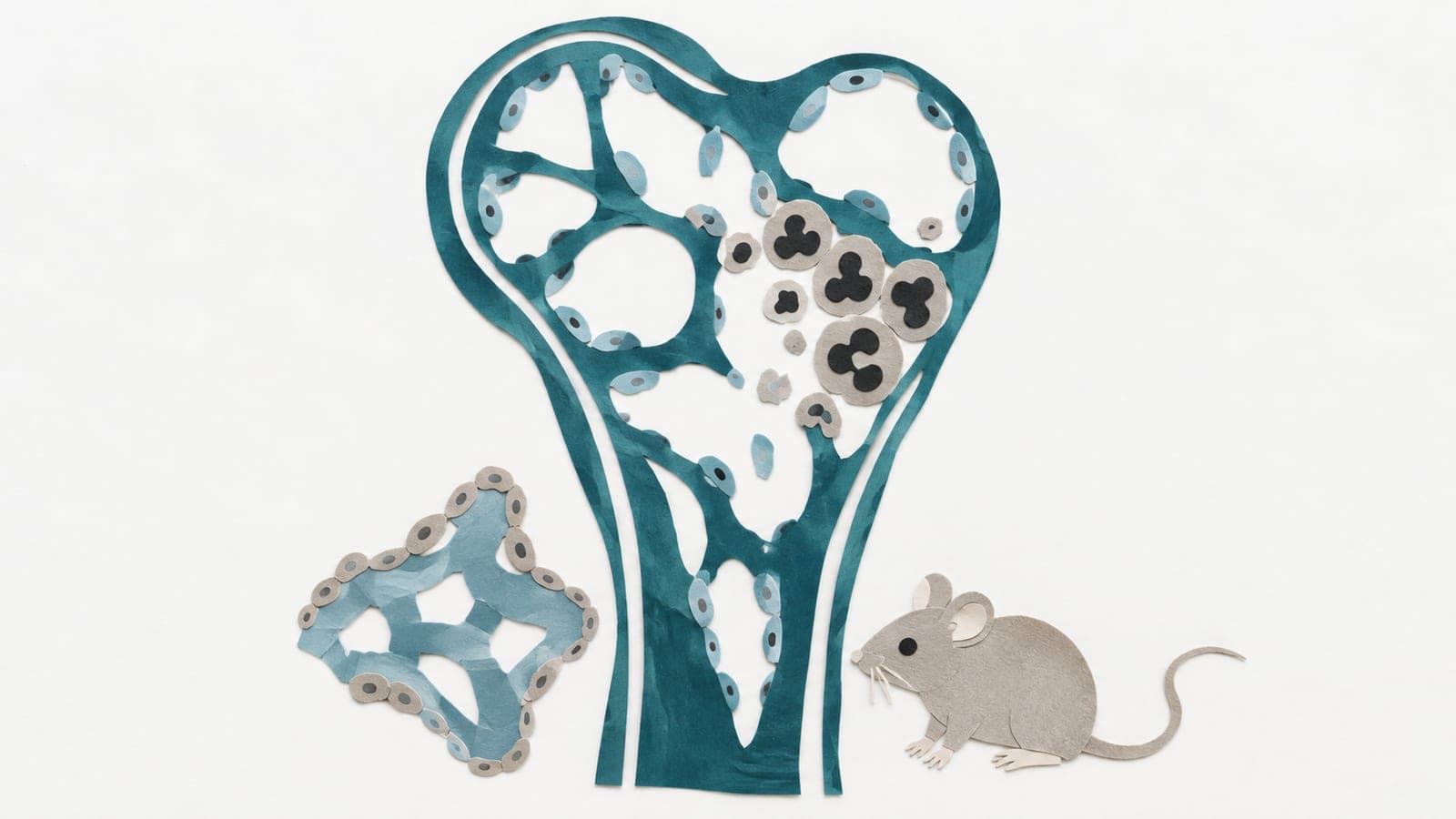
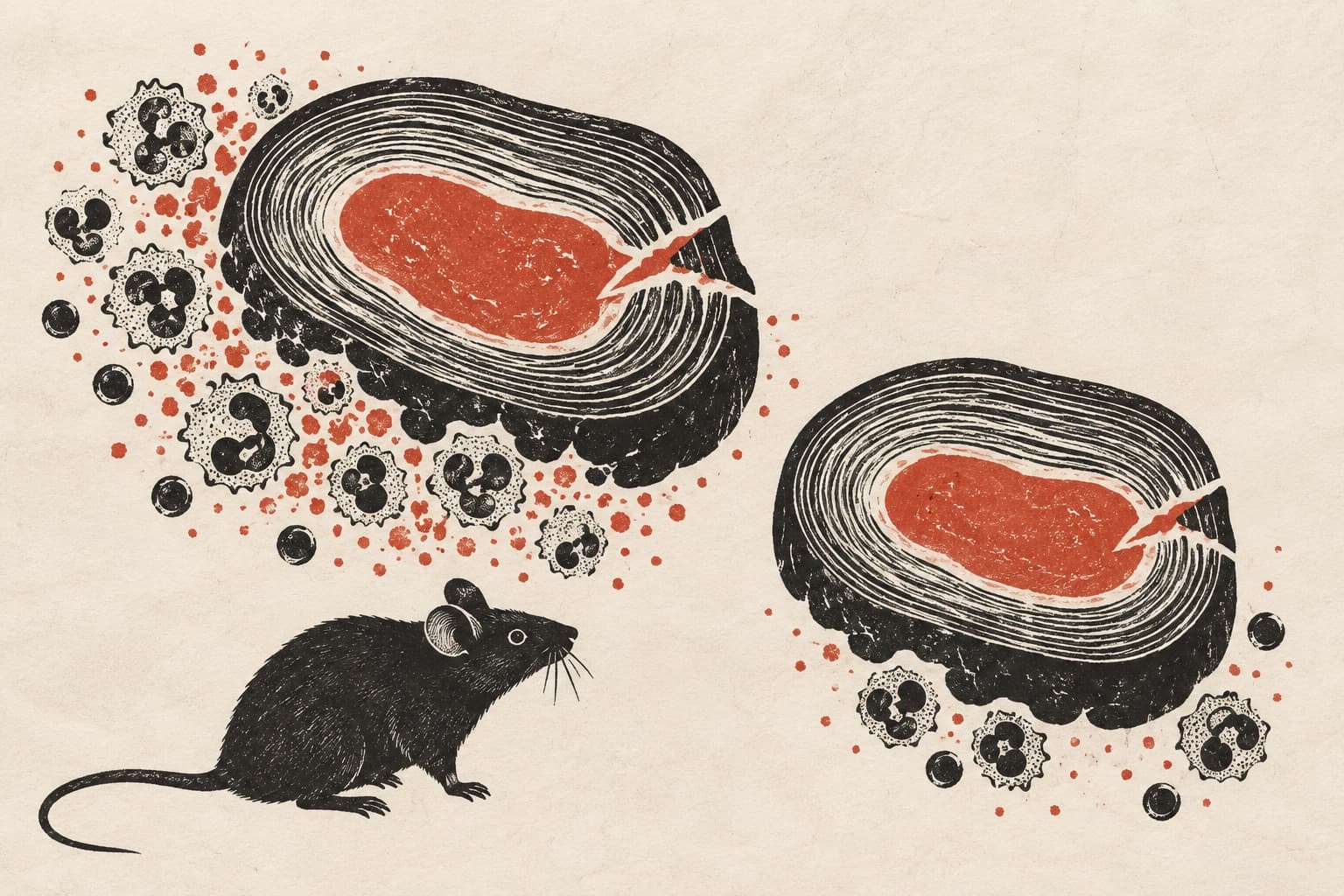
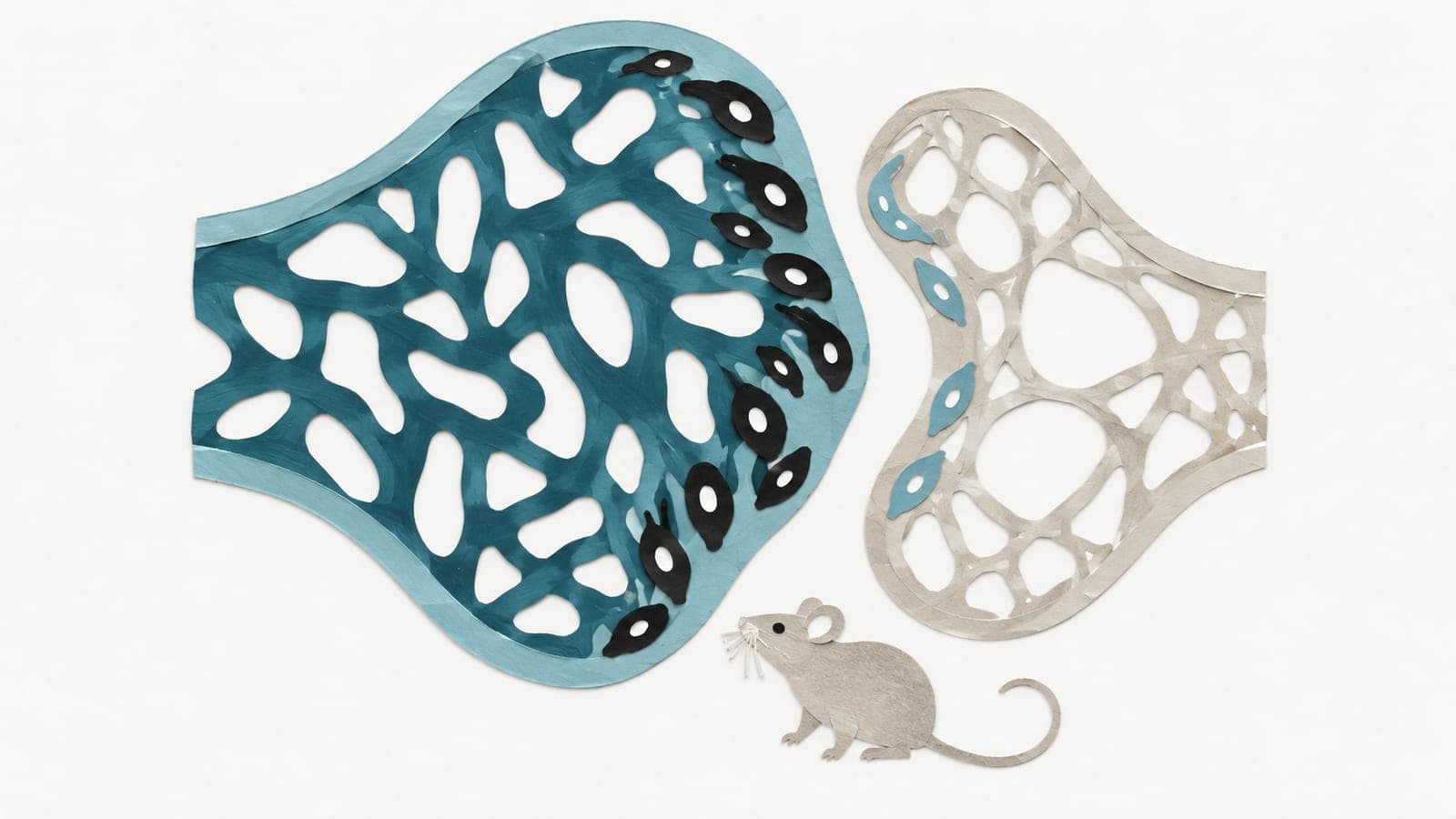
The dynamic production and clearance of senescent osteoblasts affects bone homeostasis and health. However, the relationship between senescent osteoblasts and the immune system remains unclear. Here, a landscape of the interaction between immune cells and osteoblasts through spatial analysis of the bone microenvironment is presented. Sirtuin 1 (SIRT1), a longevity gene, regulates bone mass maintenance through a mechanism involving osteoblast-CD4⁺ cytotoxic T lymphocyte (CTL) crosstalk. In the osteoblastic niche, SIRT1 promotes the secretion of crucial chemokines, such as C-C motif chemokine ligand 3 (CCL3), C-C motif chemokine ligand 5 (CCL5), and C-X-C motif chemokine ligand 10 (CXCL10), by upregulating dishevelled-associated activator of morphogenesis 2 (DAAM2) through the acetylation of enhancer of zeste homolog 2 (EZH2), activating and recruiting CD4⁺ CTLs that eliminate senescent osteoblasts in a major histocompatibility complex class II (MHC-II)-dependent manner, slowing the bone ageing process and ameliorating osteoporosis. DAAM2 serves as a pivotal downstream effector for SIRT1 to exert immune-regulatory effects in the bone microenvironment; thus, targeting DAAM2 can treat osteoporosis by increasing CD4⁺ CTL responses. These results will facilitate the development of customised therapies targeting senescent osteoblasts to maintain bone health.
The paper
Northern Jiangsu People's Hospital; Dalian Medical University
Advanced Science, 26 Jul 2025