3D-cultured DFAT spheroid-derived exosomes promote aged wound healing via modulation of the NF-κB/Serpine1 pathway
Abstract
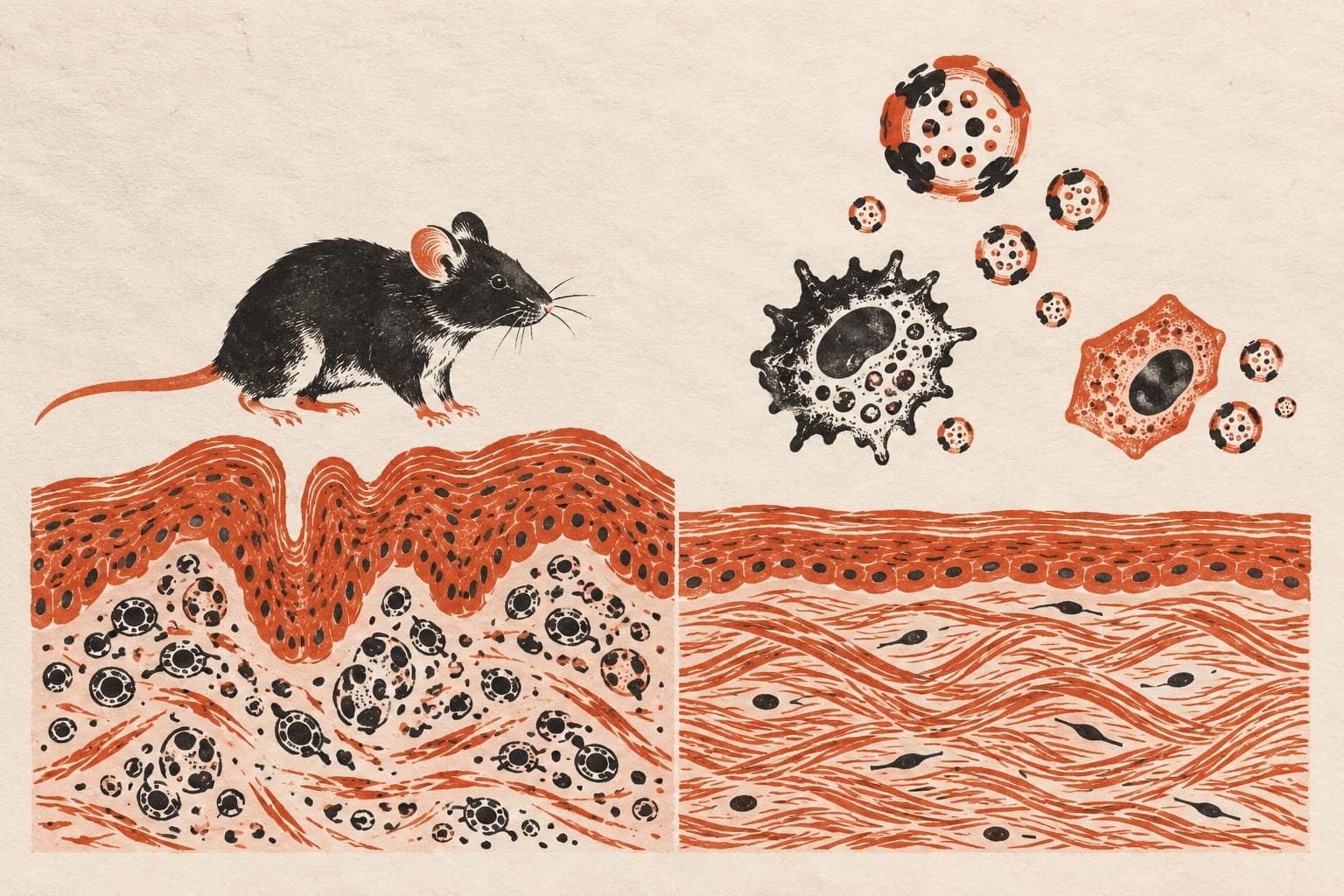
AIM: Aging impairs the regenerative capacity of the skin, leading to delayed wound healing and chronic tissue damage. Recent advances have highlighted the therapeutic potential of dedifferentiated fat (DFAT) cells and their secreted exosomes. However, the bioactivity and molecular mechanisms of exosomes derived from DFAT spheroids (DFAT-Sps-Exos) in aging wound repair remain unclear. This study aims to evaluate the regenerative effects of DFAT-Sps-Exos on senescent fibroblasts and aging skin wounds, and to elucidate the underlying molecular mechanisms involved in their activity. METHODS: Human DFAT cells were cultured under three-dimensional conditions to form spheroids and produce DFAT-Sps-Exos. The effects of these exosomes were assessed using in vitro assays in senescent fibroblasts and in vivo full-thickness wound models in aged mice. Cellular senescence, proliferation, migration, and oxidative stress levels were evaluated. Transcriptome sequencing was conducted to investigate mechanistic pathways. RESULTS: DFAT-Sps-Exos enhanced fibroblast proliferation and migration, reduced ROS, and downregulated senescence markers P16 and P21 more effectively than conventional DFAT-Exos. In vivo, they significantly accelerated wound healing and promoted neovascularization. Transcriptome analysis revealed suppression of the NF-κB/Serpine1 axis, and pathway interference assays confirmed this mechanism. CONCLUSIONS: DFAT-Sps-Exos effectively recovered senescent fibroblast function and promoted aging wound repair by modulating the NF-κB/Serpine1 signaling pathway. These findings underscored their potential as a novel exosome-based therapeutic approach for aging wound healing.
The paper
Chinese Academy of Medical Sciences & Peking Union Medical College; Capital Medical University
Tissue & Cell, 22 Jul 2025