Hybrid extracellular vesicles protect mouse skin from ultraviolet B photoaging
Vesicles fused from M2 macrophages and keratinocytes reduced oxidative stress, inflammation, and collagen degradation through the IL-4Rα/JAK/STAT3 pathway.
ACS Applied Materials & Interfaces
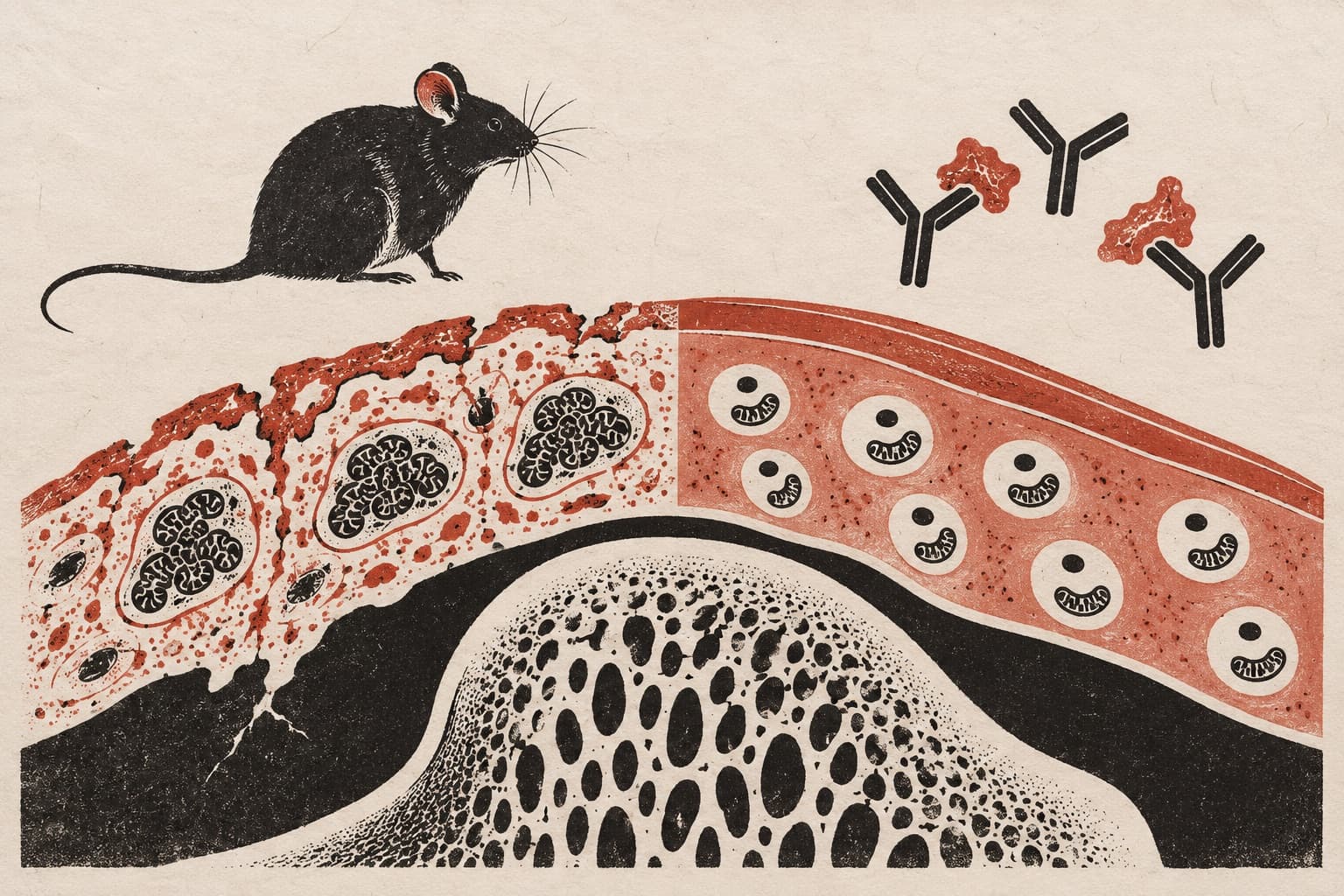
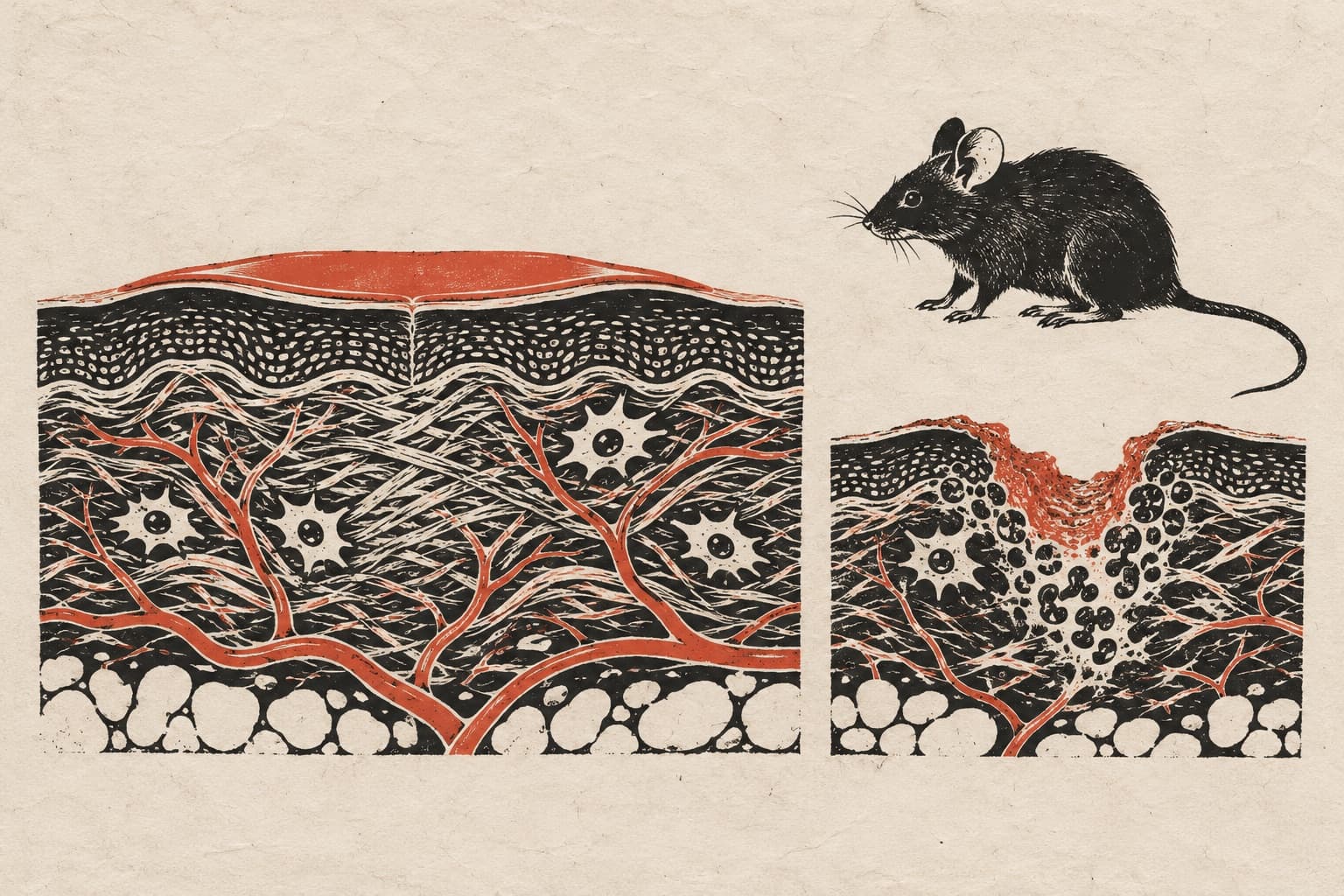
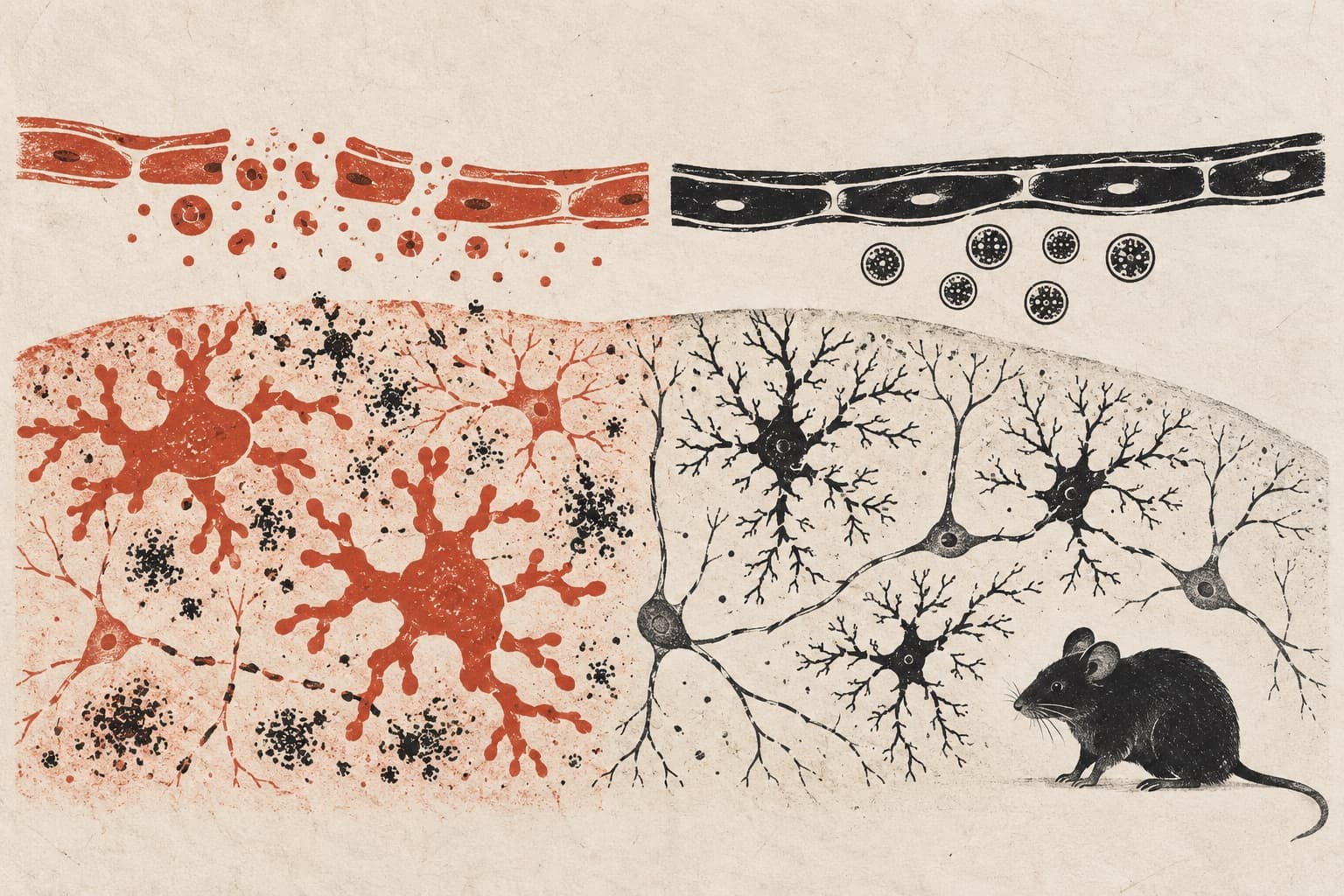
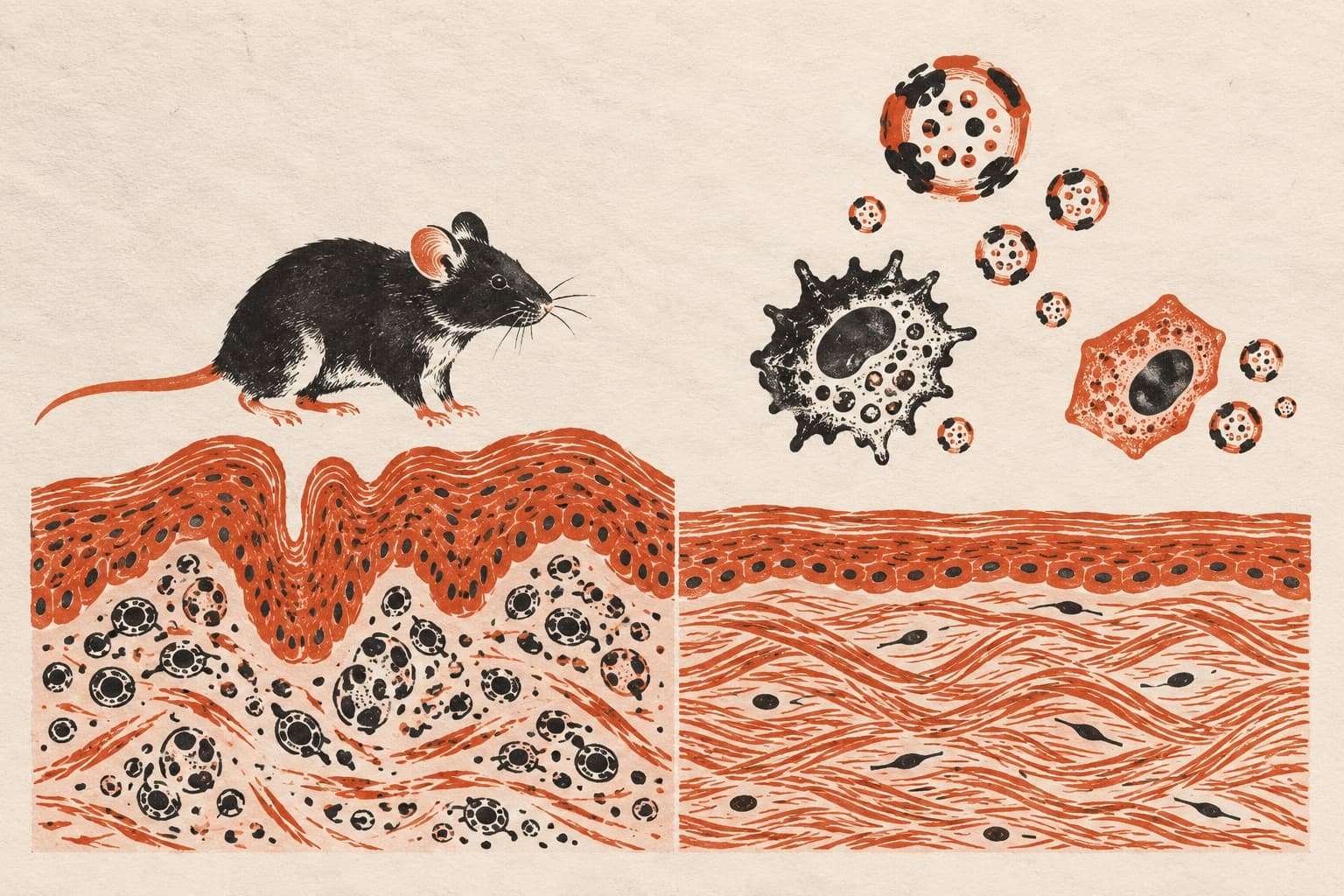
In mouse cell cultures and SKH-1 hairless mice, researchers tested hybrid extracellular vesicles created by fusing vesicles from M2 macrophages and epidermal keratinocytes. These engineered vesicles entered skin-derived cells readily. In ultraviolet B-damaged mouse keratinocytes and dermal fibroblasts, the hybrid vesicles lowered reactive oxygen species, decreased DNA double-strand breaks, suppressed proinflammatory cytokine release, and reduced cellular senescence while restoring cell proliferation and migration. They also promoted anti-inflammatory M2 macrophage polarization over the M1 state through an IL-4Rα/JAK/STAT3-dependent mechanism. In mice exposed to chronic ultraviolet B, preventive subcutaneous injections visibly eased skin wrinkles and roughness. The treatment normalized epidermal thickness, increased type I collagen deposition, and inhibited matrix metalloproteinase-3-mediated collagen breakdown, providing multi-pathway tissue defense.
Why it matters
The findings illustrate how targeting multiple drivers of photoaging—including macrophage polarization, cellular senescence, and extracellular matrix loss—can preserve skin tissue architecture.
Caveats
The study was conducted exclusively in mouse models and cultured cells, so translational efficacy and safety in human skin remain unverified.
The paper
Third People's Hospital of Huzhou
ACS Applied Materials & Interfaces · 1 Oct 2026