Klotho microinjection into the RVLM attenuates acute kidney injury via interaction with the cholinergic anti-inflammatory pathway in rats
Abstract
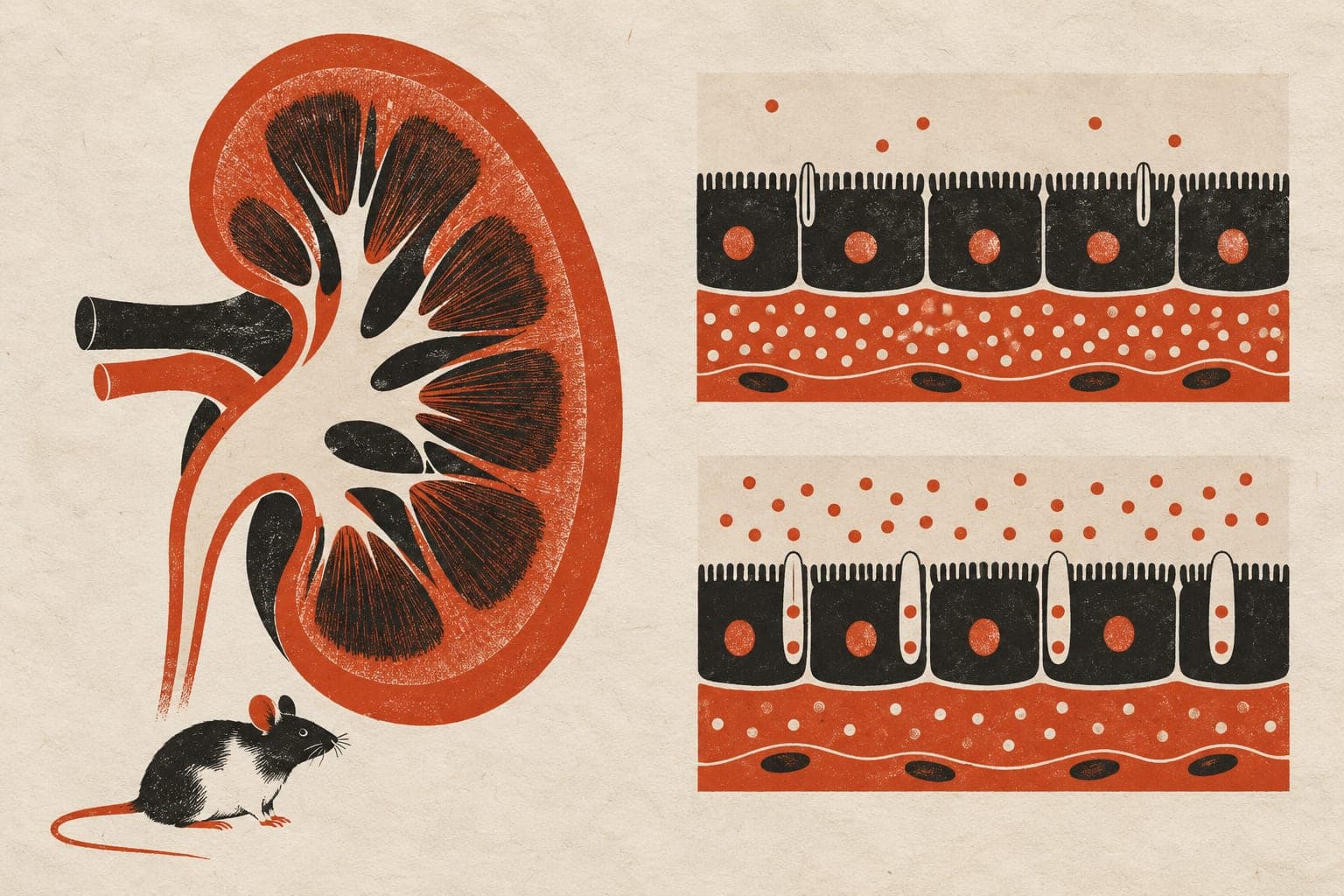
BACKGROUND AND PURPOSE: The Klotho (Klo) gene, an aging suppressor in rats, accelerates aging when disrupted and extends lifespan when overexpressed. It encodes a transmembrane protein primarily expressed in renal tubules. This study investigated the protective effects of central Klo, both alone and in combination with cholinergic anti-inflammatory pathway (CAP) inhibition, against ischemia-reperfusion injury (IRI)- induced acute kidney injury. The current study evaluated the expression of inflammatory and anti-inflammatory genes (including Illb, Tnfa, Tgfb, Trem2, and Il10) in the kidney, alongside plasma levels of creatinine (Cr), blood urea nitrogen (BUN), and signs of acute tubular injury. EXPERIMENTAL APPROACH: Klo was microinjected into the rostral ventrolateral medulla, and CAP inhibition was achieved through intraperitoneal administration of mecamylamine (Mec). Real-time RT-PCR and hematoxylin and eosin staining were used for gene expression analysis and histopathological examination, respectively. FINDINGS/RESULTS: The results showed elevated Cr and BUN levels, tubular injury, and increased inflammatory gene expression in IRI and IRI + Mec groups, as well as reduced Il10 in the IRI + Mec group. Klo exhibited protective effects. Elevated Tgfb expression was seen in IRI + Klo and IRI + Mec + Klo groups one week post-surgery. CONCLUSION AND IMPLICATIONS: These findings indicated Klo potential to extend lifespan and protect against age-related diseases, including kidney disease and inflammation, via neural modulation of peripheral immunity.
The paper
Isfahan University of Medical Sciences
Research in Pharmaceutical Sciences, 17 Jun 2025