Aging and lung cancer: the role of macrophages
Abstract
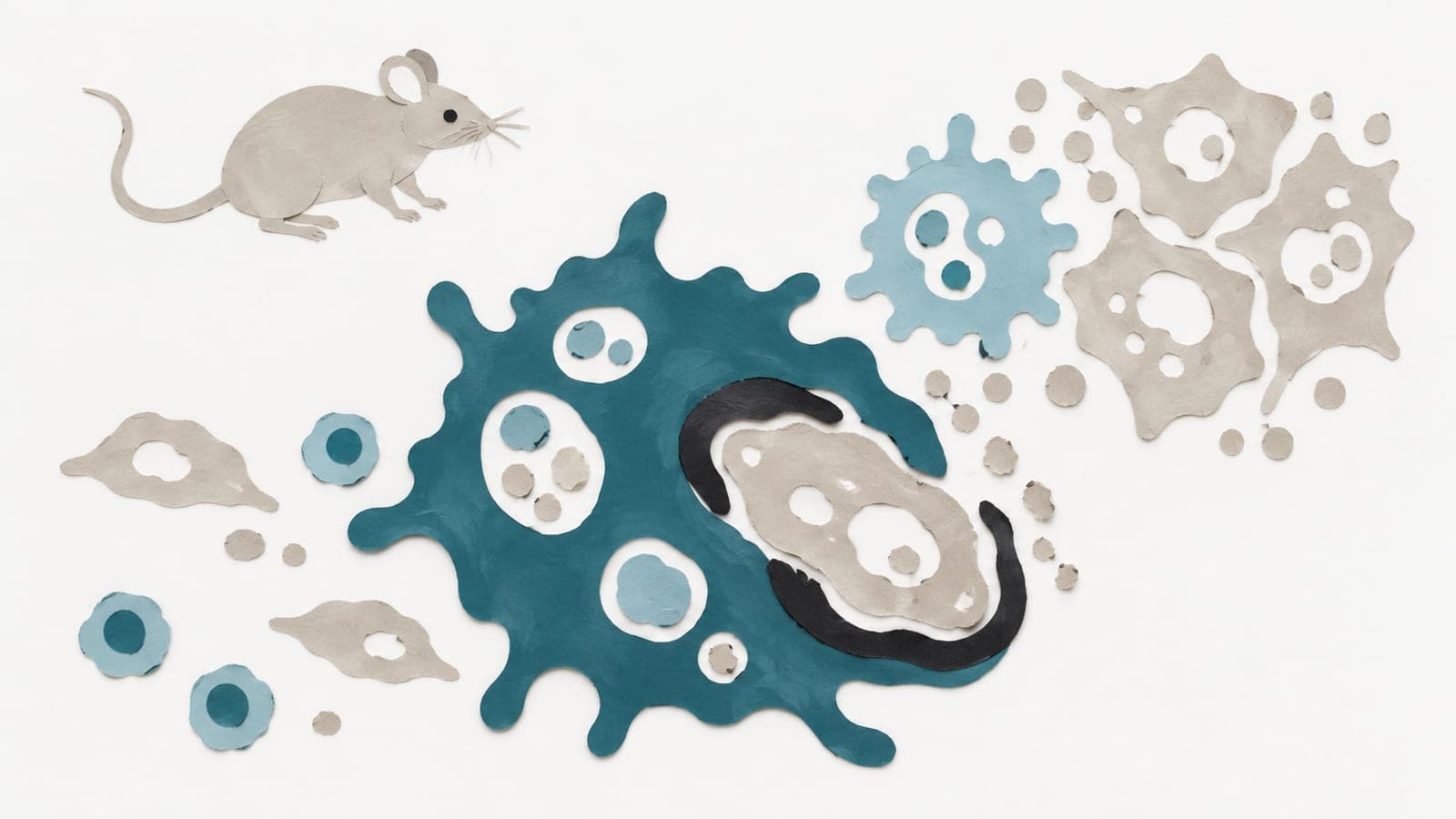
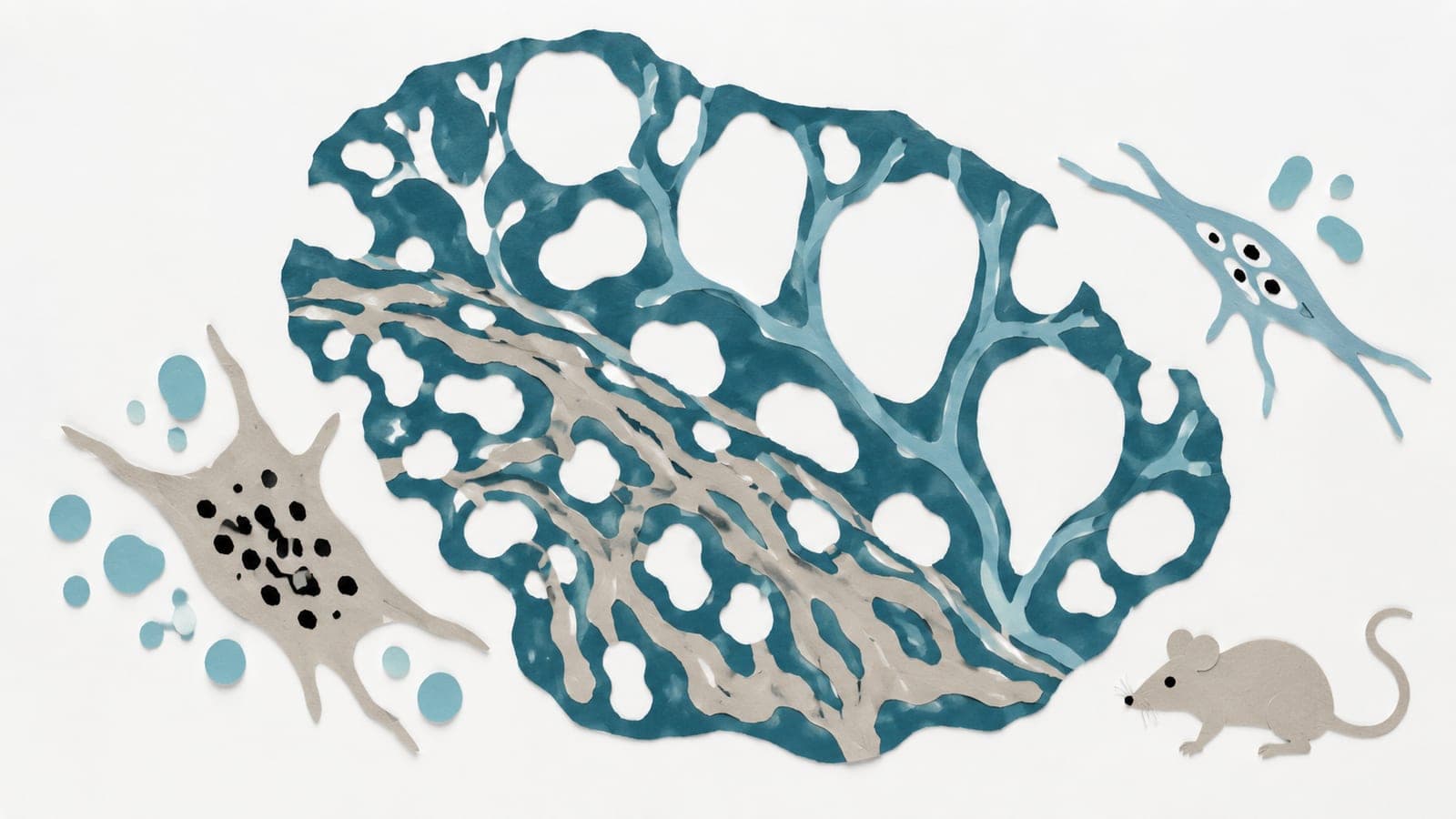
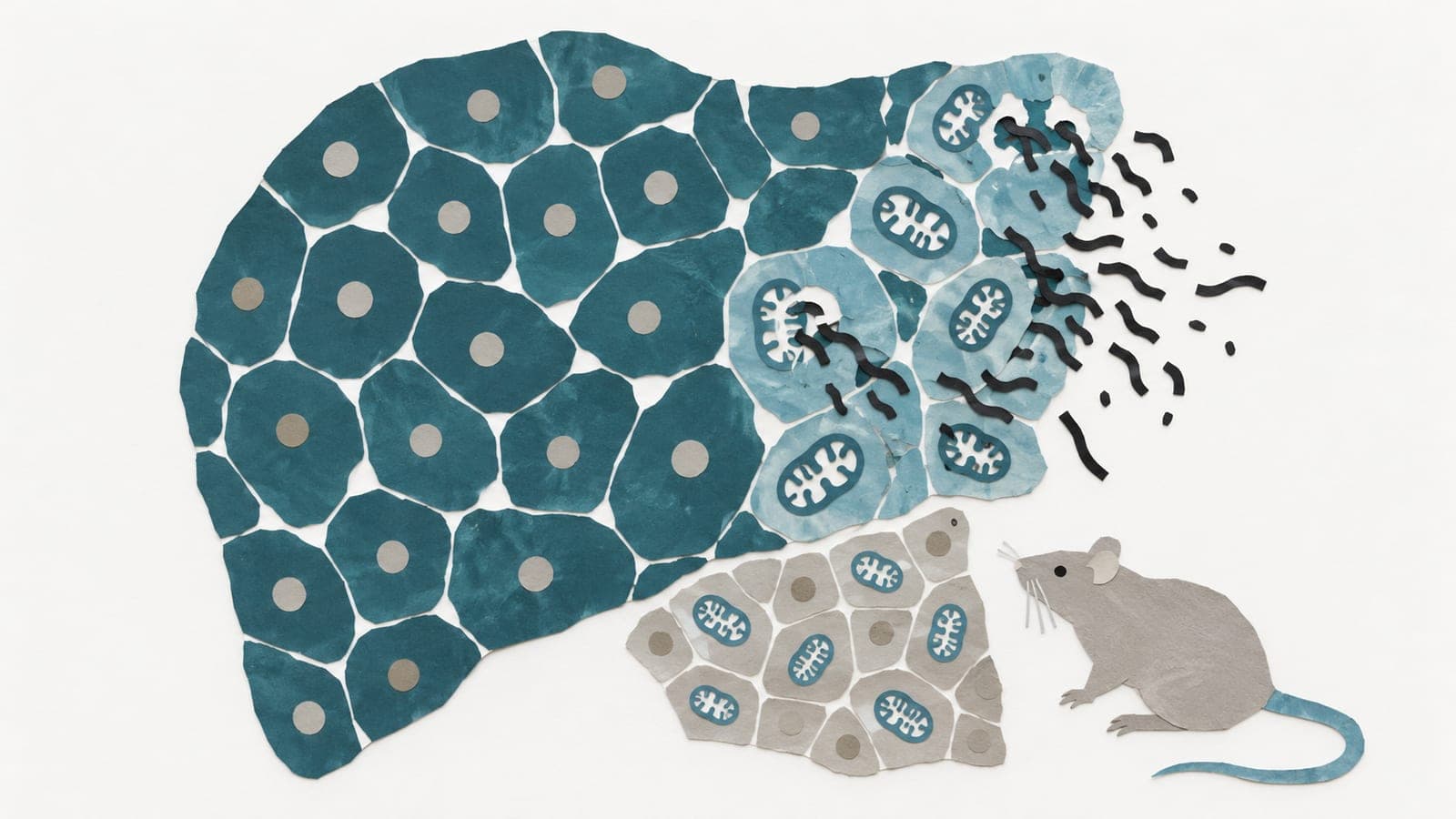
Lung cancer remains one of the leading causes of cancer-related deaths worldwide, with a significant increase in incidence among the elderly population. Tumor-associated macrophages (TAMs) are a unique subset of macrophages that play a crucial role in the tumor microenvironment. With aging, macrophages exhibit decreased migratory and phagocytic efficiency, increased reactive oxygen species (ROS) production, and M2 polarization. In the tumor microenvironment of lung cancer, aging significantly affects the functionality and polarization of macrophages through alterations in signaling pathways, the senescence-associated secretory phenotype (SASP), and epigenetic changes, thereby influencing the immune state and progression of lung cancer. This review aims to summarize the impact of macrophage changes during the senescence process on the progression of lung cancer, providing insights for targeted macrophage polarization and functional therapy in lung cancer within the context of the senescence microenvironment.
- Cellular senescence
- Clathrin-mediated endocytosis
- Epigenetic regulation of gene expression
- Immune response
- Lung cancer
- Reactive oxygen species
The paper
Zunyi Medical University
Experimental Cell Research, 16 Jul 2025, Open access