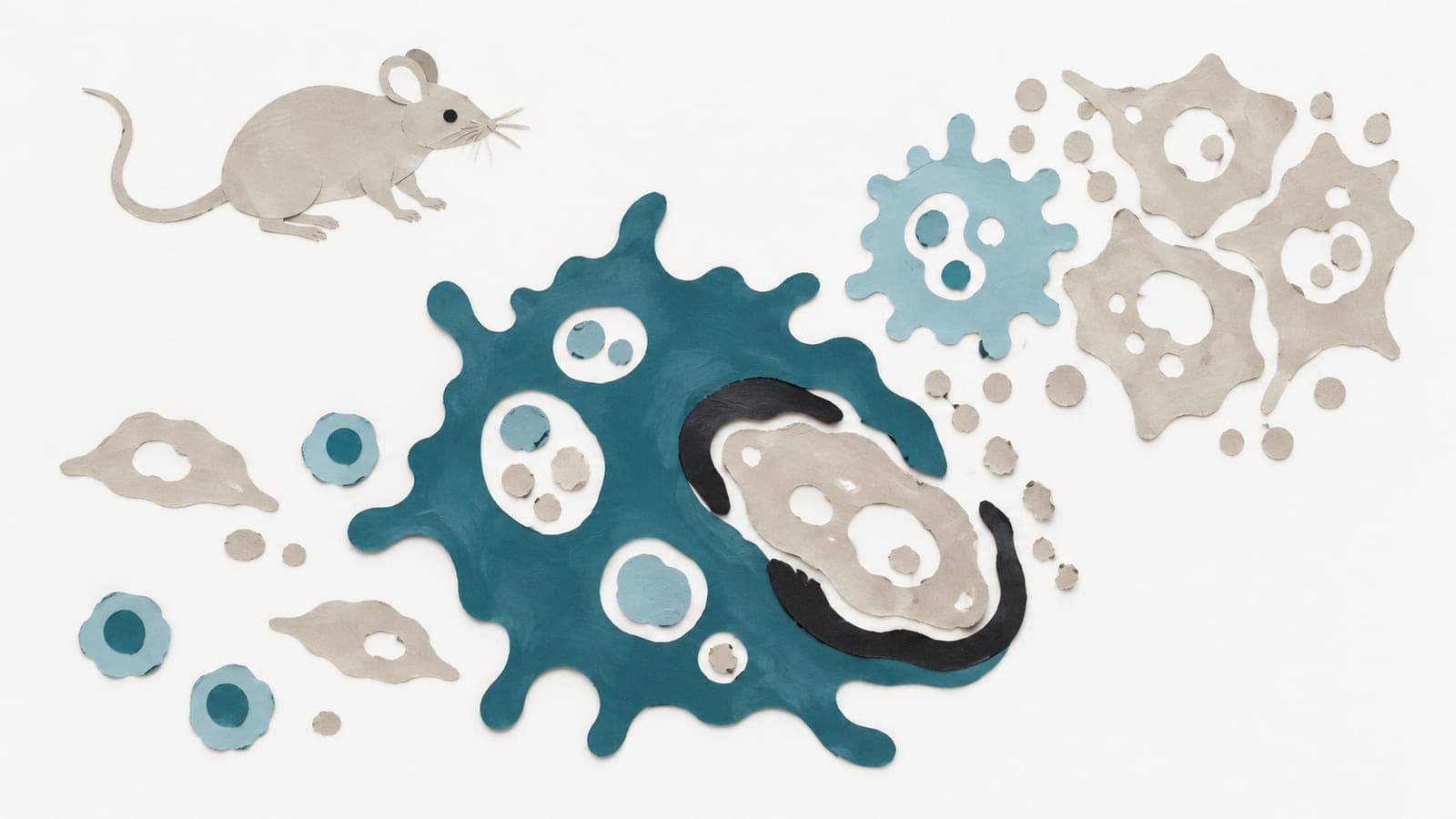
Mechanisms of natural killer cell-mediated clearance of senescent renal tubular epithelial cells
Abstract
INTRODUCTION: Intact kidney function is essential for fluid and electrolyte homeostasis, with renal tubular epithelial cells providing critical functions in the reabsorption or secretion of numerous metabolites. Cellular senescence of the renal epithelial cells can lead to functional deficits. Therefore, immune-cell-mediated clearance of senescent epithelial cells can be an important factor for the maintenance of kidney function. METHODS: In this study, we established a model to directly monitor natural killer (NK) cell-mediated clearance of senescent renal tubular cells. To this end we used primary cell co-cultures with different read-outs and life cell imaging. RESULTS AND DISCUSSION: We observed that the clustering of NK cells on senescent renal epithelial cells could be used to detect senescence-triggered NK cell activation. Also, we found that NKG2D signaling and perforin-dependent lysis of senescent renal epithelial cells were crucial steps in the lysis of senescent cells. In addition, NK cell-mediated attack of senescent renal epithelial cells could be dampened by the addition of cyclosporine A and was augmented by the addition of interleukin 7. Together, these data show that NK cells can efficiently mediate the clearance of senescent renal tubular epithelial cells involving NK cell activation by NKG2D signaling.
The paper
Medizinische Hochschule Hannover
Frontiers in Cell and Developmental Biology, 30 Jun 2025, Open access