ATF-4 deficiency increases ER stress and induces osteoarthritis formation in mice
Abstract
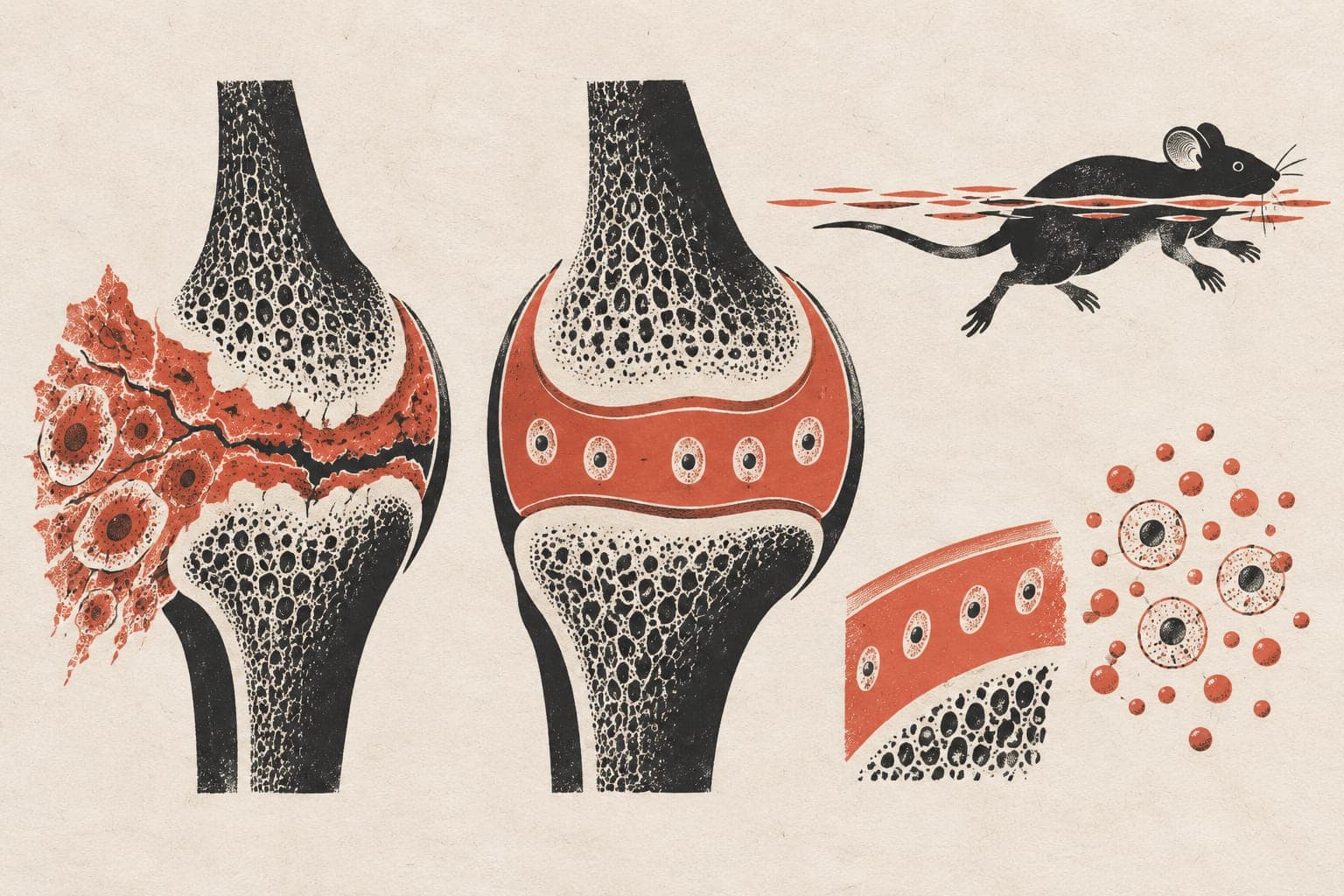
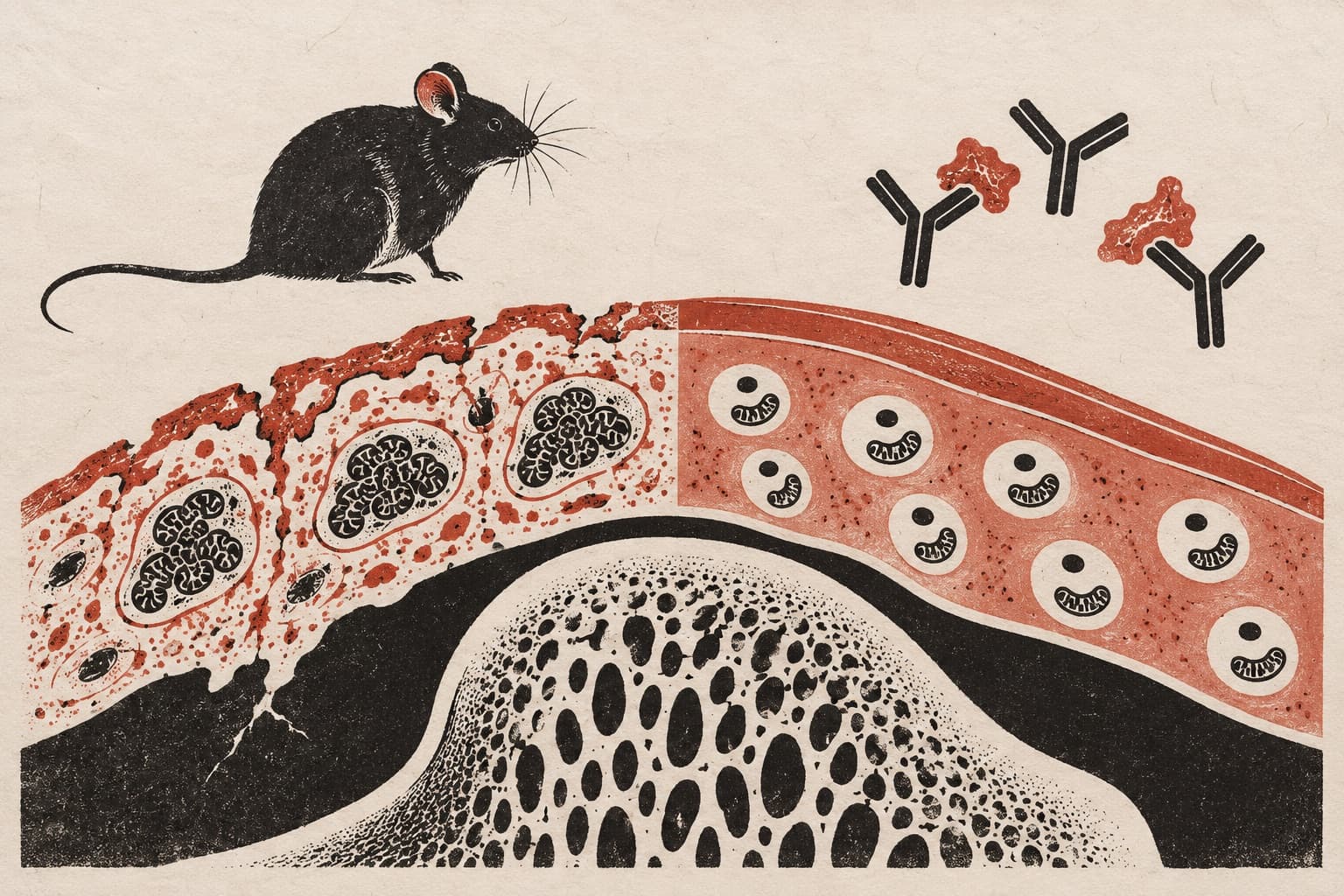
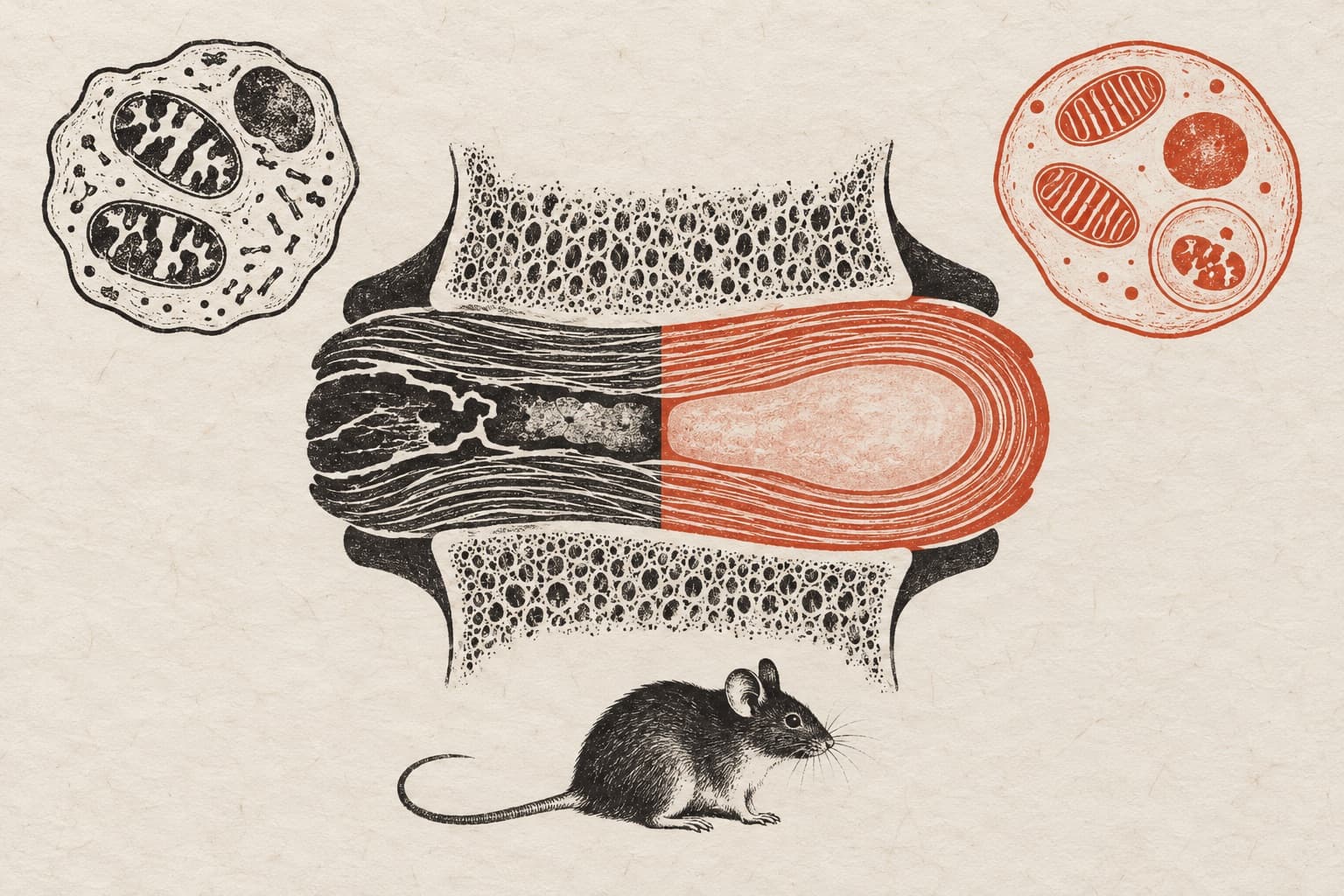
Although osteoarthritis (OA) is a leading cause of morbidity, no disease-modifying osteoarthritis drugs (DMOADs) are currently available. An in-depth understanding of OA pathogenesis may help the development of novel and effective treatments. Activating transcription factor 4 (ATF-4) plays a critical role in skeletal biology as it is closely involved in ER stress, autophagy, cell senescence, etc. Our study showed that meniscal injury in Atf-4 deficient (Atf-4-/-) mice resulted in complete destruction of mouse knee joints. In addition, these mice developed spontaneous OA-like lesions with aging. In vitro study demonstrated that the ER stress was increased and proliferation was decreased in articular chondrocytes from Atf-4-/- mice compared to wild-type (WT) chondrocytes, which enhanced apoptosis of Atf-4-/- chondrocytes. Re-introduction of ATF-4 into the joint cavity of Atf-4-/- mice significantly alleviated joint damage. Taken together, our study demonstrates that ATF-4 is a critical molecule for normal functionality of articular chondrocytes and its modification may facilitate the identification of novel therapeutic targets.
The paper
First Affiliated Hospital of Zhengzhou University
Molecular and Cellular Biochemistry, 12 Jul 2025