Heat pulses resynchronise daily clocks in mouse cartilage
A 60-minute pulse at 43 °C resynchronised daily rhythms in cartilage explants from young and aged mice, counteracting disruption caused by an inflammatory signal.
Osteoarthritis and Cartilage
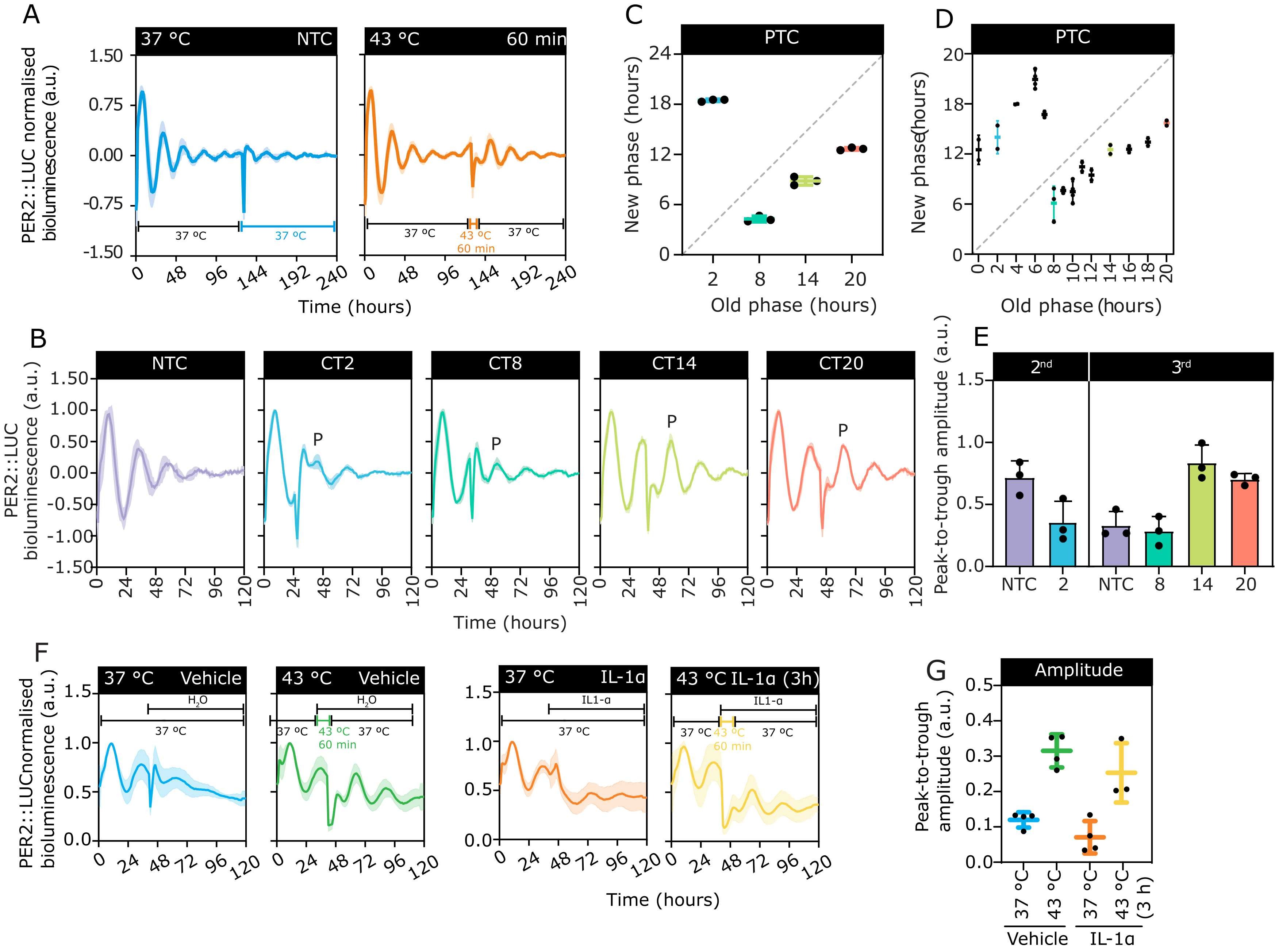
In an experiment using joint cartilage taken from mice, researchers tested whether pulses of heat could restore weakened biological rhythms in tissue maintained in the lab. Cartilage explants were collected from reporter mice whose cells produce light to track daily circadian cycles. Exposing the tissue to a 60-minute heat pulse at 43 °C reset the timing and boosted rhythm strength in cartilage from both young and aged mice. The heat pulse also countered circadian disruption caused by treatment with interleukin-1 alpha, an inflammatory protein. Further tests revealed that blocking heat shock protein 90 or altering the structural protein actin weakened the resynchronisation, implicating these pathways in the response.
Why it matters
Disruption of the circadian clock during aging is linked to cartilage degeneration in mice and higher osteoarthritis risk in humans. Finding physical cues that can retune damped tissue clocks offers a potential path toward protecting joint health as bodies age.
Caveats
The study examined isolated tissue explants kept in dishes outside the body, not intact joints in living animals. Whether heating joints in living mice or people can safely trigger the same response without tissue damage remains unexamined.
The paper
Modulation of circadian rhythms in articular cartilage by heat pulse
Show 6 more authors
Zeyad El-Houni, Shiyang Li, Gwenllian Tawy, Leela Biant, Judith A Hoyland, Michal Dudek,University of Manchester
Osteoarthritis and Cartilage · 8 Oct 2026