Thymic B cells in aging and autoimmune disease
Abstract
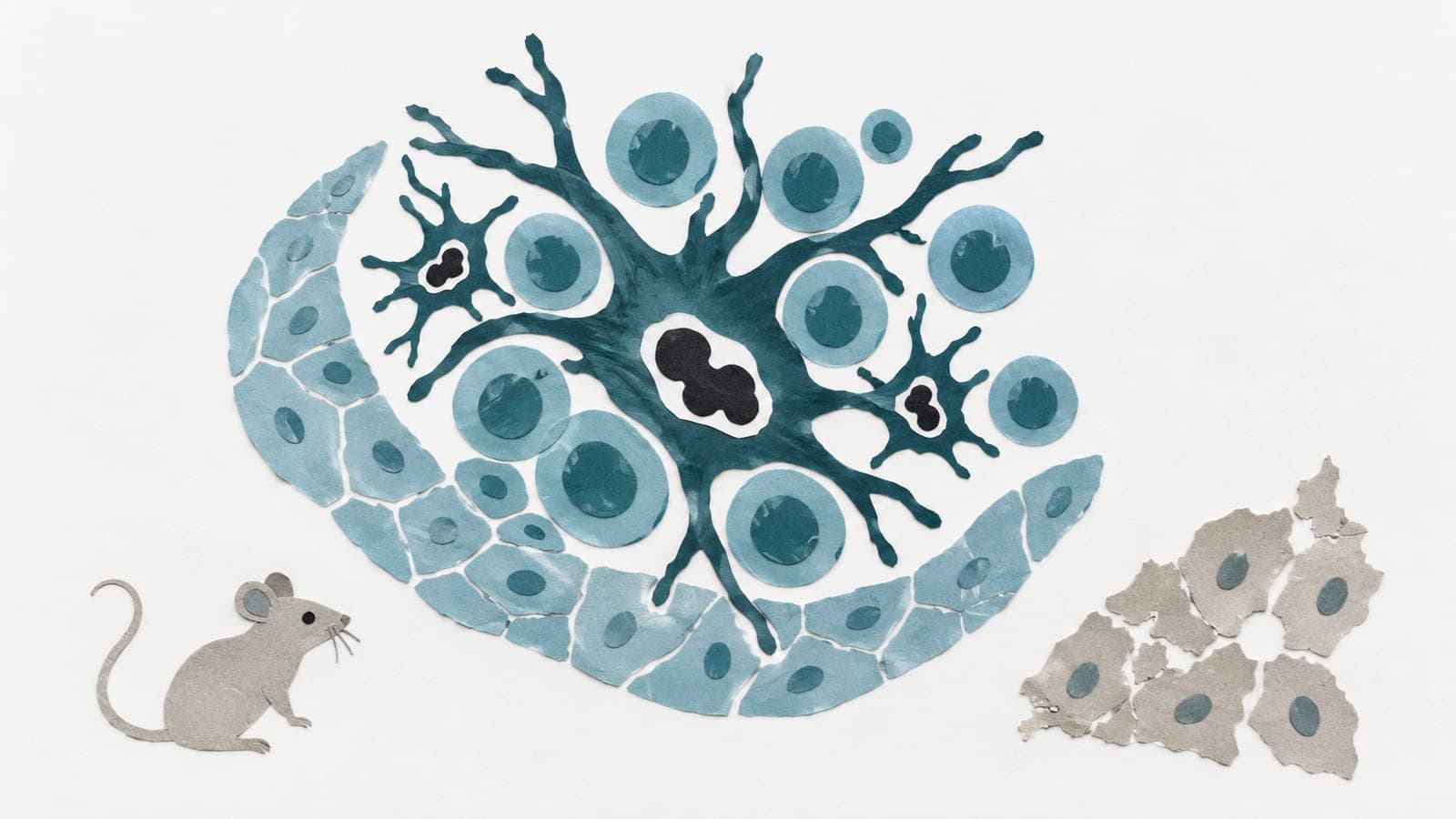
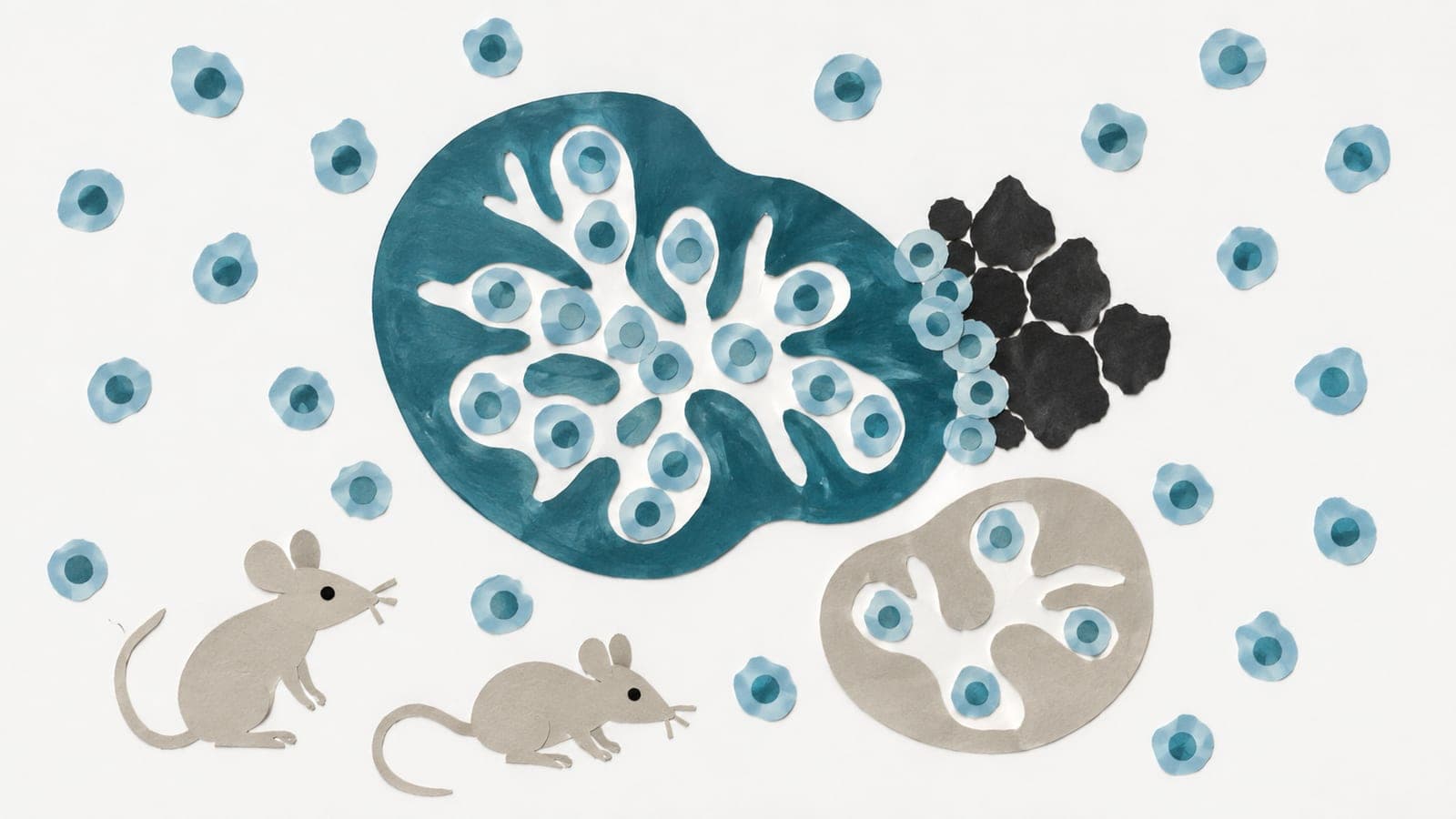
Thymic B cells comprise a heterogenous population of cells localized primarily within the thymic medulla, a region populated by professional antigen-presenting cells (APCs) including dendritic cells, medullary thymic epithelial cells (mTECs), and macrophages. Through expression and presentation of self-antigens, these APCs are responsible for shaping the normal T cell repertoire by negatively selecting thymocytes recognizing self-antigens. It is now clear that thymic B cells have the capacity to participate in negative selection and present cognate antigens distinct from other medullary APCs, thus serving a non-redundant role in mediating T cell central tolerance. Recent work has linked thymic B cells with the development of multiple autoimmune diseases, many of which are increased in prevalence with aging. Here, we will provide a brief overview of the role of thymic B cell subsets in promoting negative selection and immune homeostasis, with a primary focus on the impact of aging on their tolerizing capacity and involvement in autoimmune diseases, highlighting thymic B cells as a potential novel therapeutic target to improve clinical outcomes in patients with autoimmune diseases.
The paper
The University of Texas at San Antonio Health Science Center
Frontiers in Immunology, 23 Jun 2025, Open access