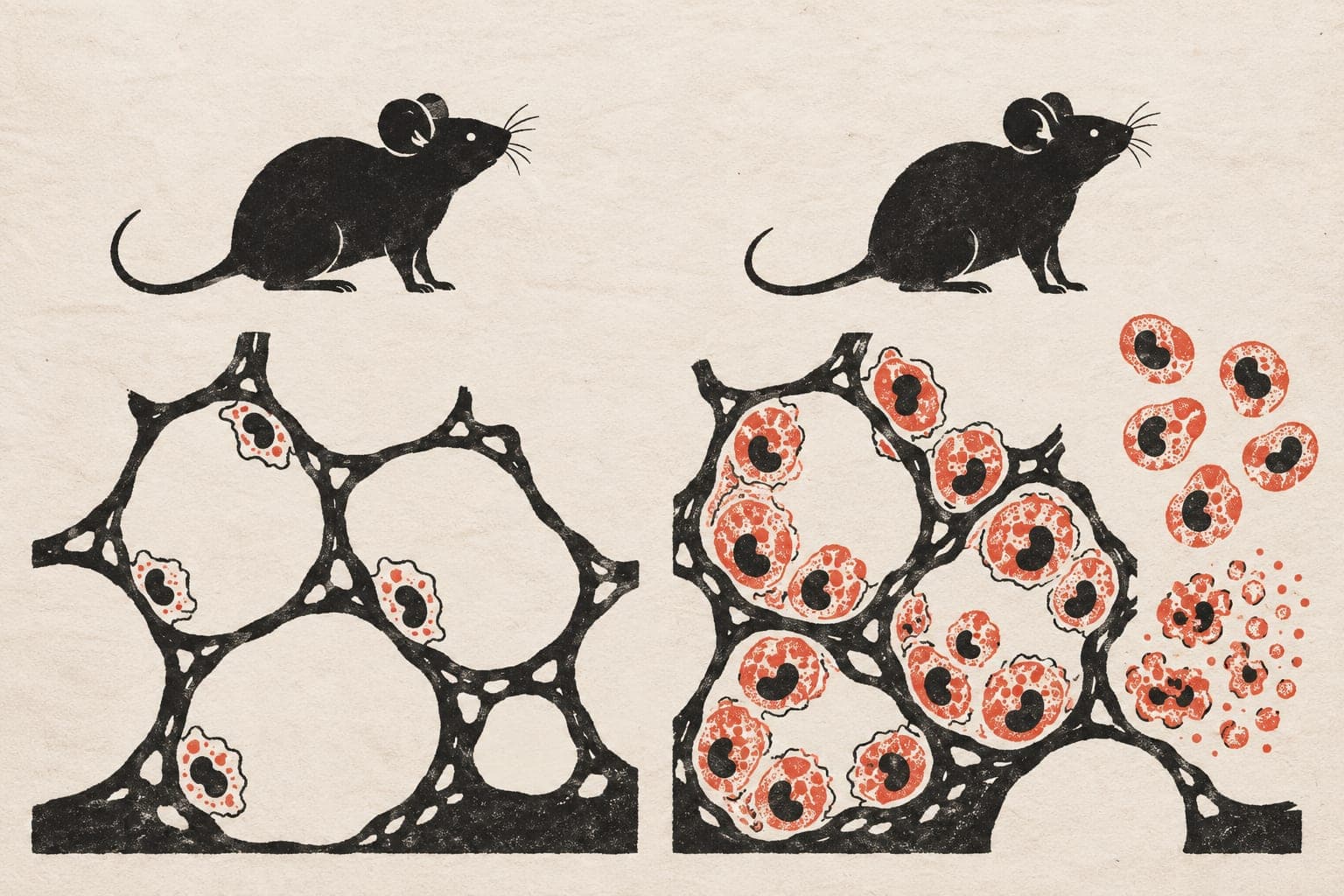
Retinal barrier B cells vary with age and antibody availability
Experiments in isolated retinal barrier B cells linked aging and the availability of immunoglobulin M, a type of antibody, to how active the cells were.
iScience
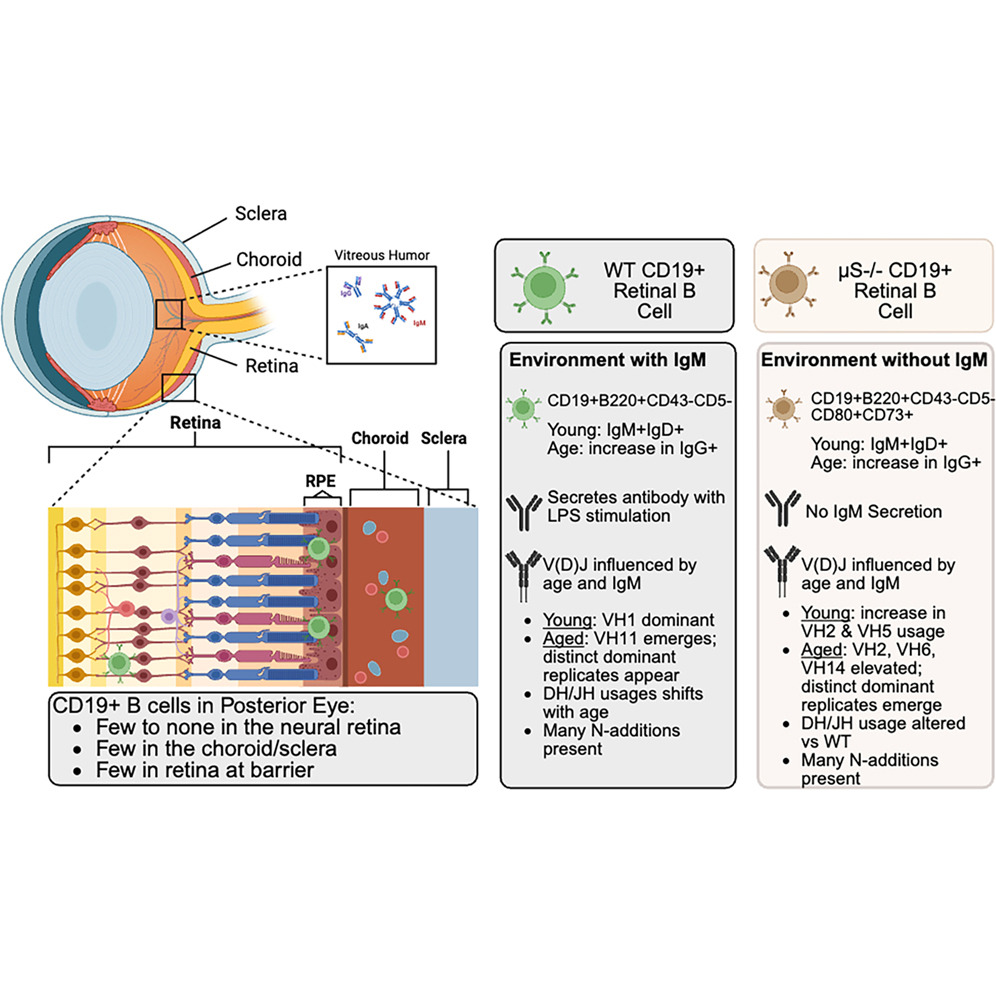
In cell experiments, researchers studied B cells isolated from the retinal pigment epithelium, a layer of cells that supports the retina. B cells are immune cells that can produce antibodies. The team examined how aging and antibody availability related to how active the cells were and the mix of antibody receptors they carried. These receptors recognise targets for the immune system.
Without secreted immunoglobulin M, a type of antibody, the isolated B cells were more activated and had a different receptor mix. Age further modified this mix and receptor characteristics. The cells also secreted antibodies after stimulation.
Why it matters
Maintaining the retina is important for vision during aging. The findings offer a starting point for studying how antibody-based immune regulation relates to retinal aging and health.
Caveats
The evidence came from isolated cells and did not establish effects on vision or retinal health. The abstract did not specify the source species, sample size or ages studied.
The paper
B cells in the retinal pigment epithelium change with aging and IgM availability
Western Michigan University
iScience · 26 Sep 2026