Lifetime Variations of Prolactin Receptor Isoforms mRNA in the Hippocampus and Dentate Gyrus of the Rat-Effects of Aging
Abstract
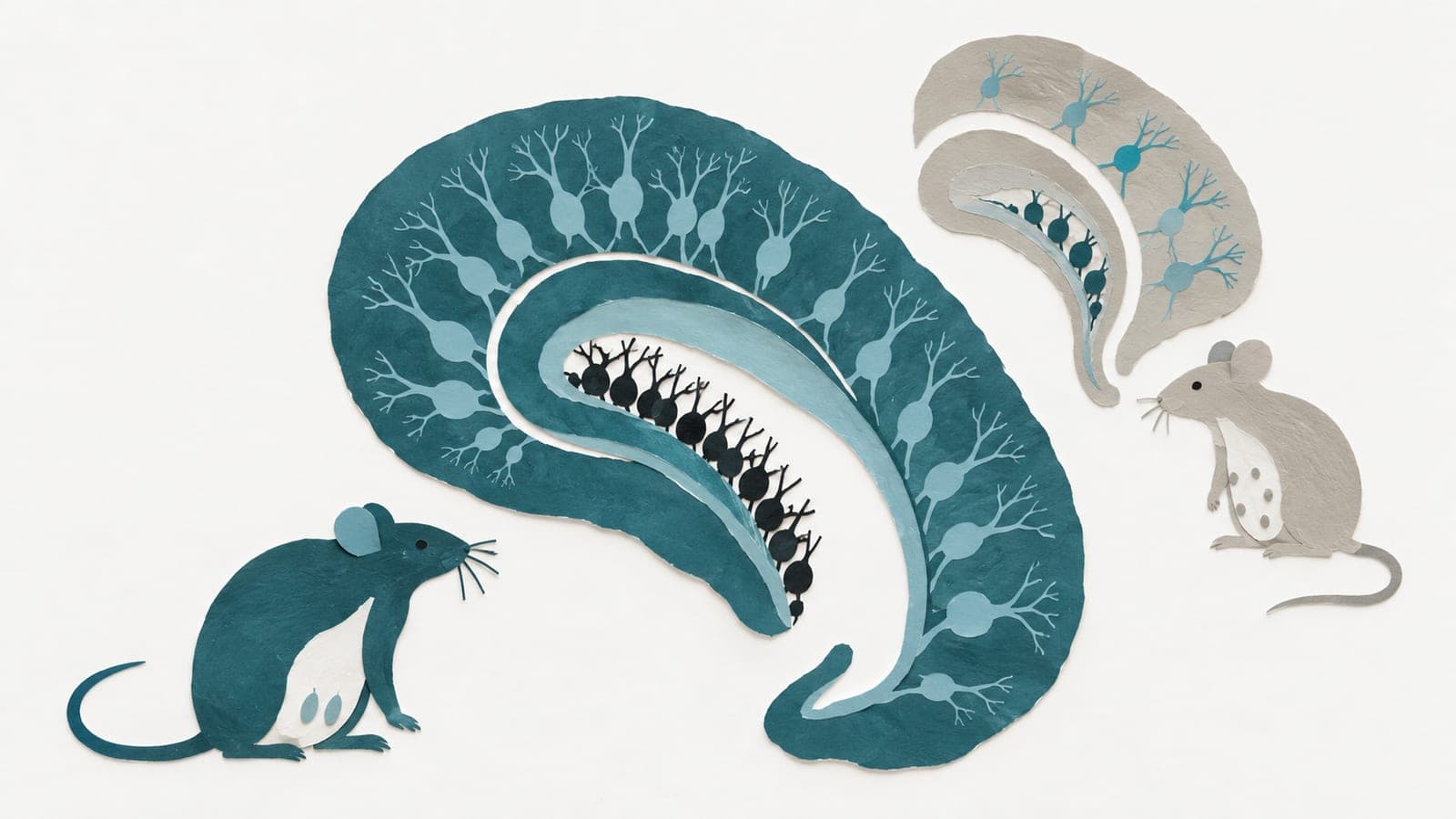
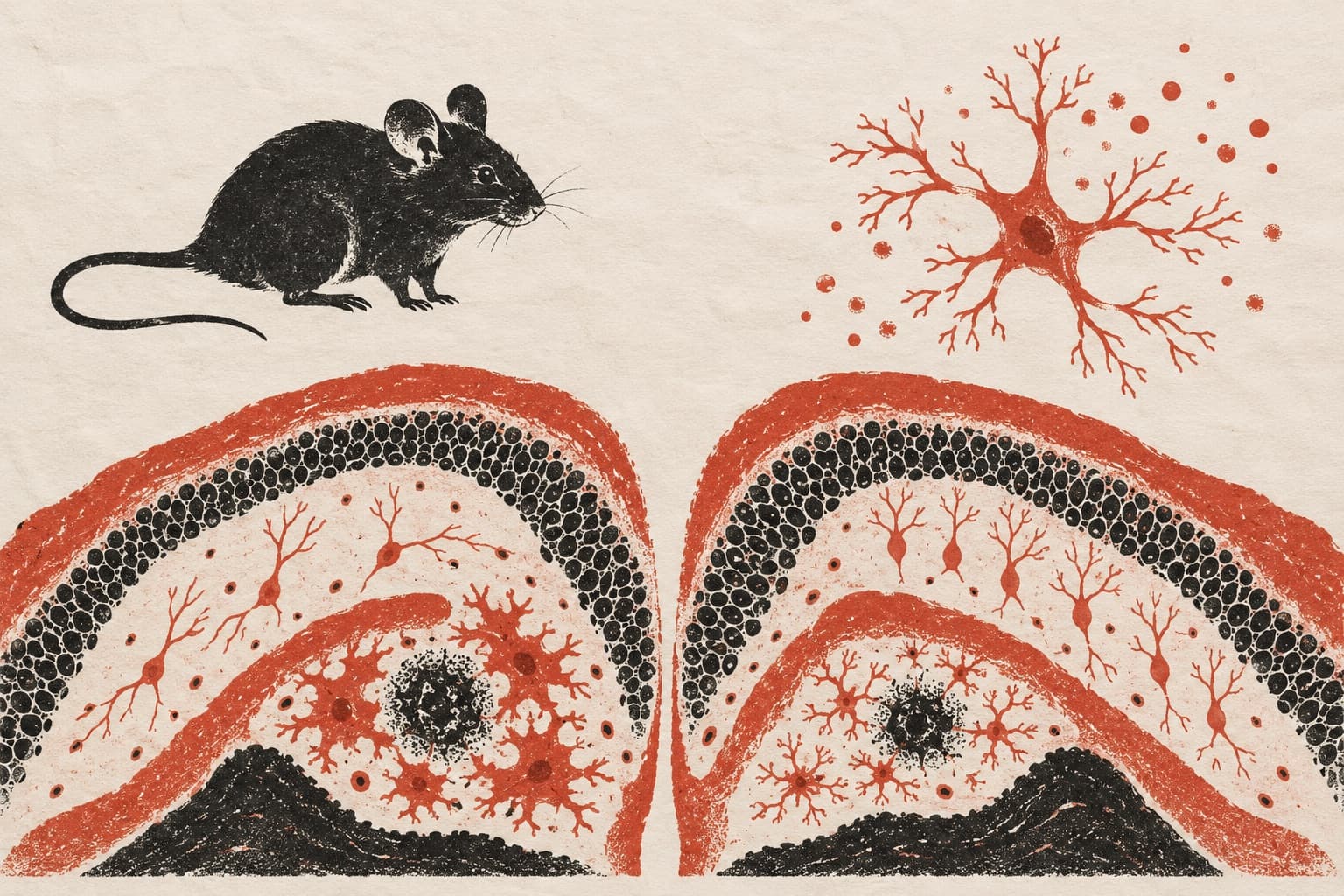
Prolactin is a hormone for which actions on the central nervous system such as neurogenesis and neuroprotection have been described by acting on specific receptors. The presence of prolactin receptors in the brain, including the hippocampus, is well documented; however, it is unknown whether these receptors change with age and whether they are related to sex. For this reason, a study of the expression of prolactin receptors, in the short and long isoforms, in the hippocampus of male and female rats has been carried out by qPCR and in situ hybridization, with a densitometric analysis in the following life stages: prepubertal, postpubertal, young adult, adult, and old. The results revealed the greater expression of the long isoform than of the short isoform in males, but not in females, with significant differences between males and females and in the different life stages studied. With significant differences, the highest expression of both isoforms appeared in male rats in the postpubertal stage, and the lowest expression was observed in adult and old animals. In situ hybridization showed differences in the localization of PRLR mRNA expression in CA1, CA3, and DG depending on the age and sex of the rats. The results obtained suggest that hippocampal aging is related to a decrease in prolactin receptors, which helps to better understand brain aging.
- Hippocampal prolactin receptor isoform mRNA expression
- Localization of prolactin receptor mRNA expression
- PRLR
- Rats
The paper
Universidad de Salamanca
International Journal of Molecular Sciences, 23 May 2025