Negative Social Ties as Emerging Risk Factors for Accelerated Aging, Inflammation, and Multimorbidity
Abstract
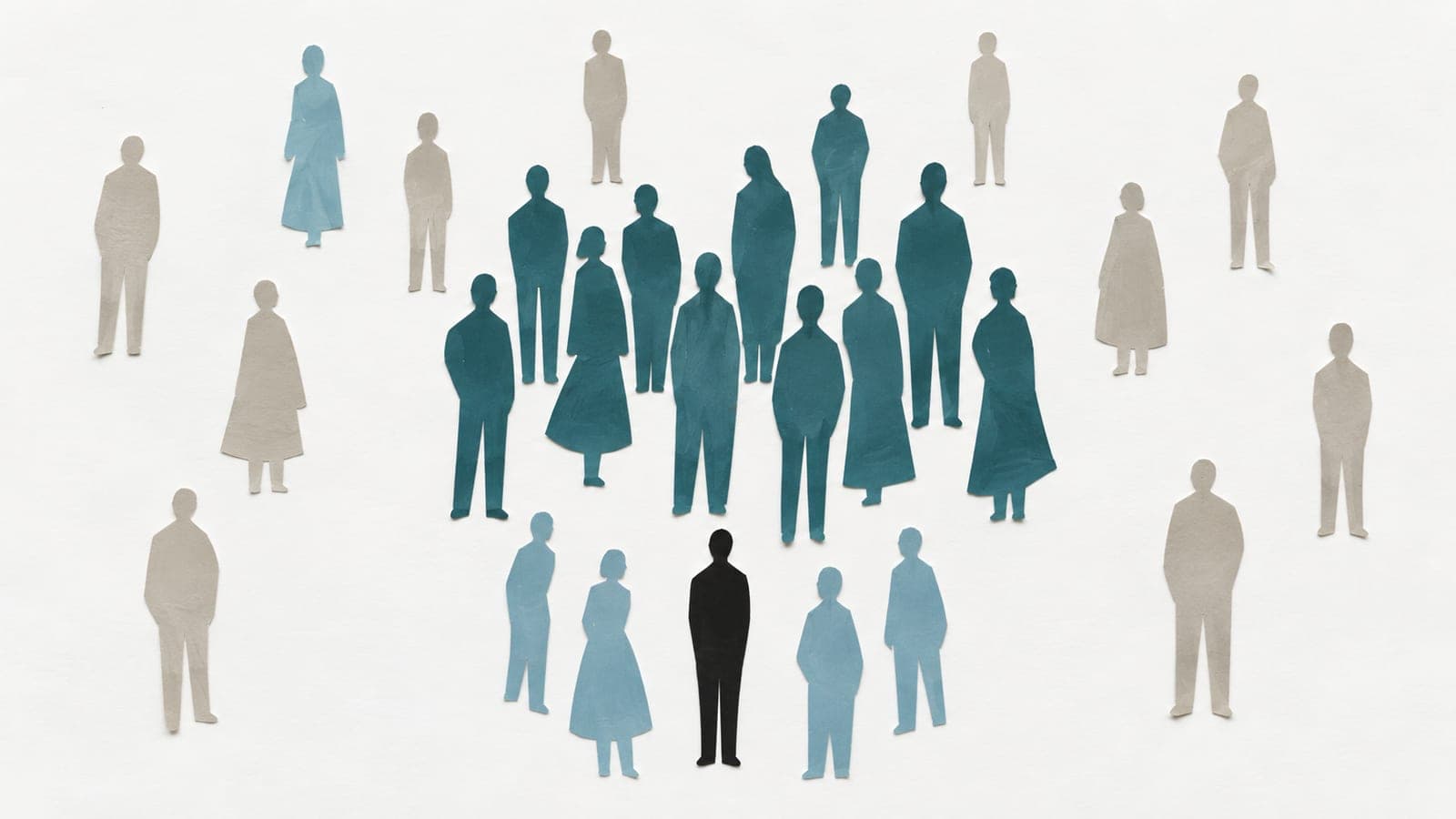
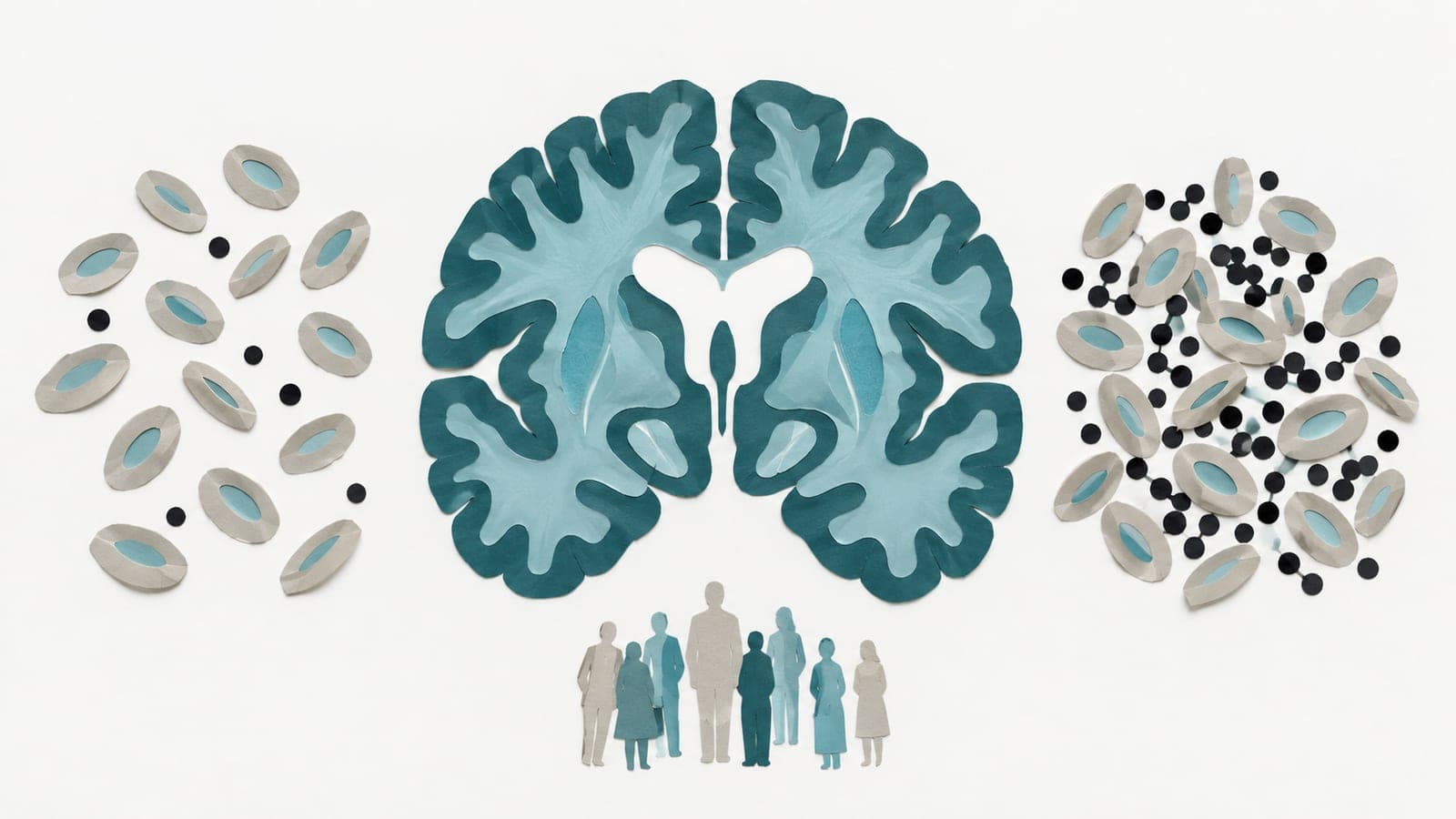
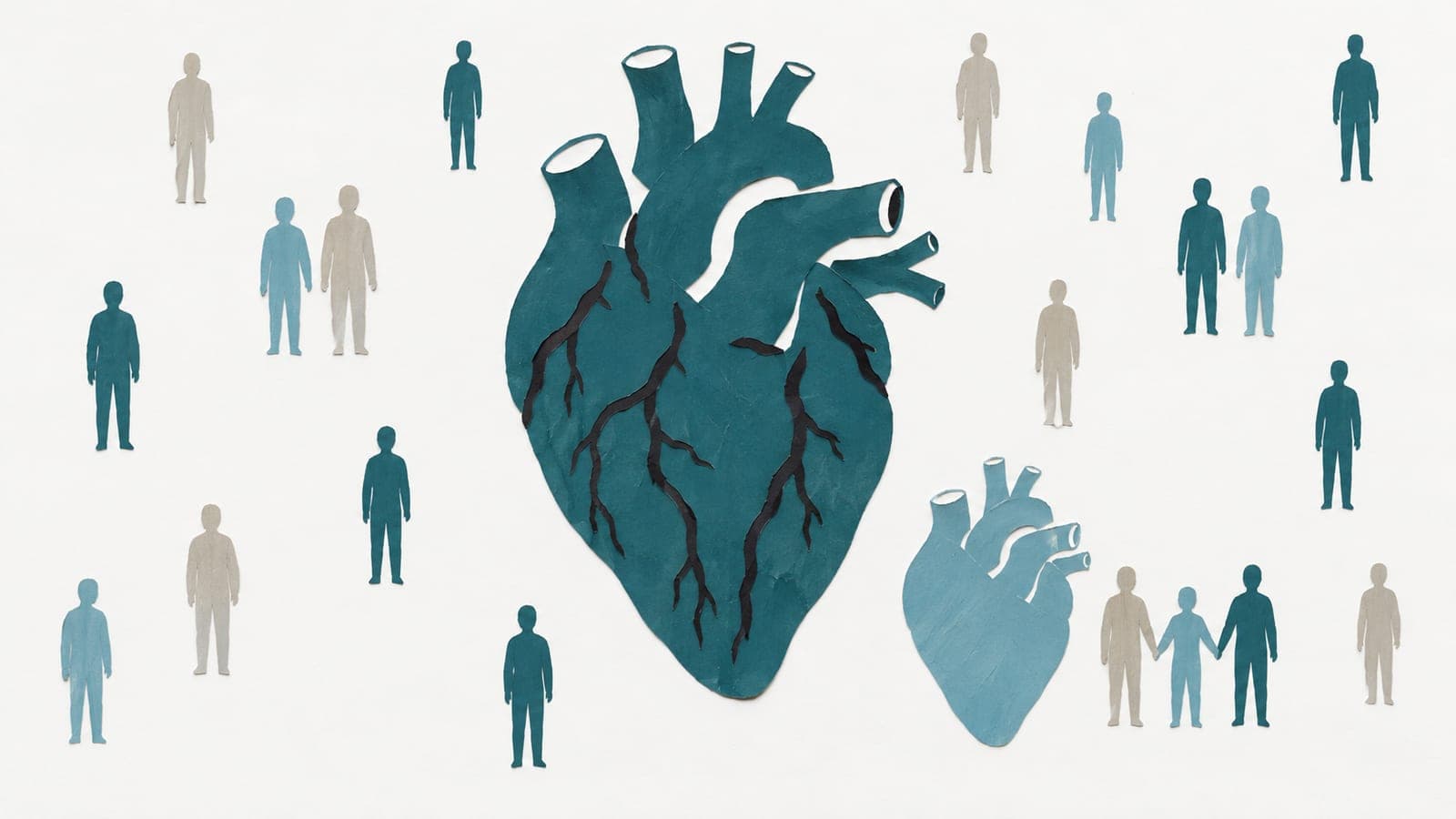
Negative social ties, or "hasslers," are pervasive yet understudied components of social networks that may accelerate biological aging and morbidity. Using ego-centric network data and DNA methylation-based biological aging clocks from a representative Indiana sample, we demonstrate that negative social ties are surprisingly common: on average, one in four network members is described as a hassler, and nearly 60% of individuals report having at least one. Results show that having more hasslers is associated with accelerated biological aging, with the most pronounced associations observed among individuals whose networks comprise more than 50% hasslers. Crucially, not all negative ties show the same influence: ambivalent ties providing both support and stress show stronger aging acceleration than exclusively negative relationships. Beyond epigenetic aging, hassling exposure is associated with poorer self-rated health, higher levels of depression and anxiety, elevated inflammation, greater multimorbidity, and adverse anthropometric indicators. These findings together highlight the critical role of negative social ties in biological aging as chronic stressors and the need for interventions that reduce the impact of negative social stressors embedded within close social networks to promote healthier aging trajectories.
The paper
medRxiv, 6 Jun 2025, Preprint, not peer-reviewed