Cumulative violence exposure links to adult allostatic load
In longitudinal Add Health data, cumulative exposure across development outdid recency and timing in predicting allostatic load, while adolescent peer ties showed promotive benefits.
Social Science & Medicine
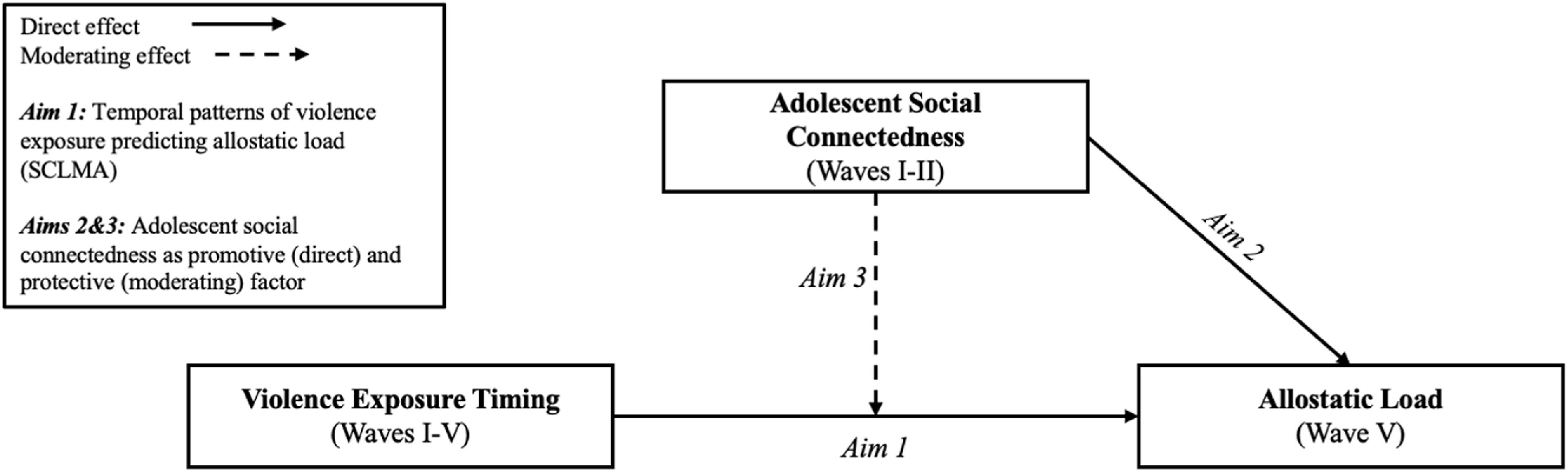
In an observational study of participants from the National Longitudinal Study of Adolescent to Adult Health, researchers examined how lifetime exposure to violence relates to adult physiological wear. Using the Structured Life Course Modeling Approach, the team evaluated whether developmental timing, cumulative burden, or recency of violence exposure best explained adult allostatic load markers. They also tested whether adolescent peer, school, or parental connectedness offered promotive or protective benefits.
Cumulative violence exposure across development showed the strongest association with adult allostatic load, outperforming hypotheses based on specific developmental timing or recency. Among social ties, only adolescent peer connectedness was linked to lower allostatic load as a promotive factor. None of the adolescent social connectedness domains buffered the relationship between cumulative violence exposure and adult allostatic load.
Why it matters
Allostatic load reflects multi-system physiological wear linked to chronic disease risk and premature mortality. The findings suggest that the cumulative lifetime burden of stress, rather than critical developmental windows alone, shapes long-term biological dysregulation.
Caveats
Because the study relies on observational survey data, the associations cannot establish causal relationships. The analysis was also limited to the specific measures of violence and connectedness collected within the cohort.
The paper
University of Florida
Social Science & Medicine · 29 Sep 2026