Stress-burden scores using both extremes better tracked thinking
An observational analysis of 29,809 White and 7,612 Black adult observations in 2006–2016 linked thinking more strongly to scores counting unusually high and low biological readings.
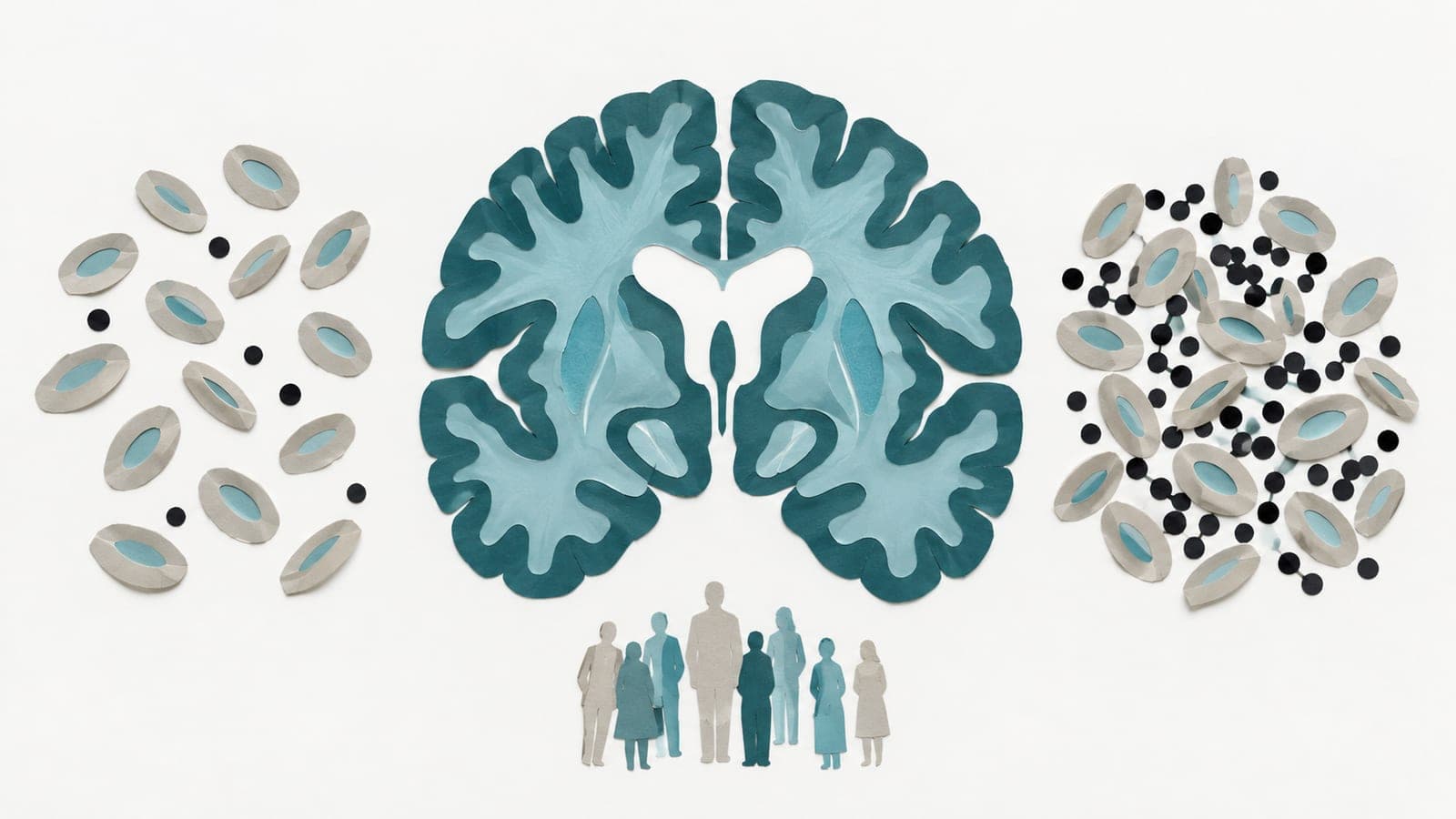
Midlife and older Black and White adults in the Health and Retirement Study provided data for an observational analysis of stress burden and thinking ability. Researchers analysed 29,809 observations of White adults and 7,612 of Black adults from 2006 to 2016. These totals counted observations across survey waves, not distinct people.
Allostatic load combines biological measures to capture the body's burden of chronic stress. Researchers compared different ways to score it and assessed thinking ability with a modified cognitive test. Scores counting unusually low and high biological readings were more strongly associated with thinking ability than traditional scoring methods. This applied to comparisons within individuals over time and between individuals, particularly among Black adults.
Why it matters
Chronic stress burden is associated with cognitive decline. This analysis bears on how researchers measure that burden when studying cognitive aging in diverse populations.
Caveats
This observational study could identify associations, not establish whether chronic stress burden caused changes in thinking ability.
The paper
Xavier University of Louisiana; Johns Hopkins University
Psychoneuroendocrinology, 27 Sep 2026