Multi-omics analysis reveals lipid metabolism profiles and regulatory networks in meibomian glands aging
Abstract
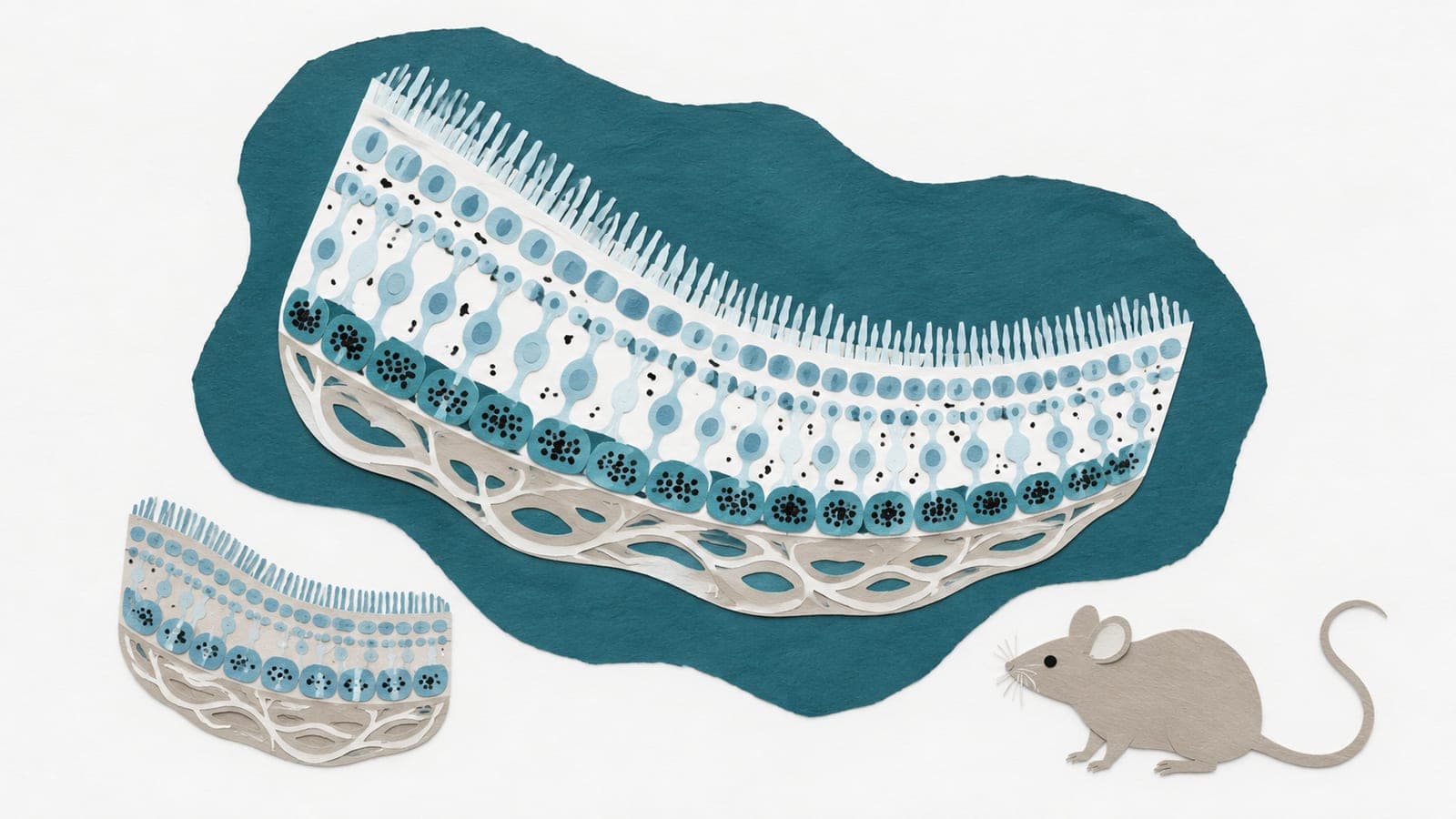
Aging is a significant risk factor for ocular surface diseases like meibomian gland dysfunction (MGD), which compromises tear film stability, leading to discomforts, visual impairment, and ocular structural damage. This study aims to elucidate the age-related changes in lipid metabolism and the regulation networks, providing insights into early pathogenic mechanisms and identifying potential molecular targets for preventing age-driven pathology in the MGs. We analyzed MGs from young (2 months) and aged (12 months) C57BL/6 mice using a multi-omics approach, transcriptomic analysis and lipidomic analysis. Our findings revealed shifts in lipid composition in aged MGs, especially with reduced phospholipid levels and elevated triglyceride (TG) levels. Differentially expressed genes (DEGs) in lipid metabolism were also identified, including glycerolipid, glycerophospholipid, and sphingolipid metabolism, forming a complex regulatory network of lipid metabolism. Some critical DEGs were validated by qPCR, confirming the upregulation of Akr1b8 (glycerolipid metabolism) and the downregulation of Mboat2 (glycerophospholipid metabolism), Degs2, and Sptlc3 (sphingolipid metabolism) in aged MGs. These findings highlighted lipid metabolism dysregulation as a key factor in age-related MGD, offering potential targets for future research to mitigate this condition and preserve ocular health.
The paper
Second Affiliated Hospital of Zhejiang University
Experimental Eye Research, 27 May 2025