Intrathymic Regulation of Dendritic Cell Subsets and Their Contributions to Central Tolerance
Abstract
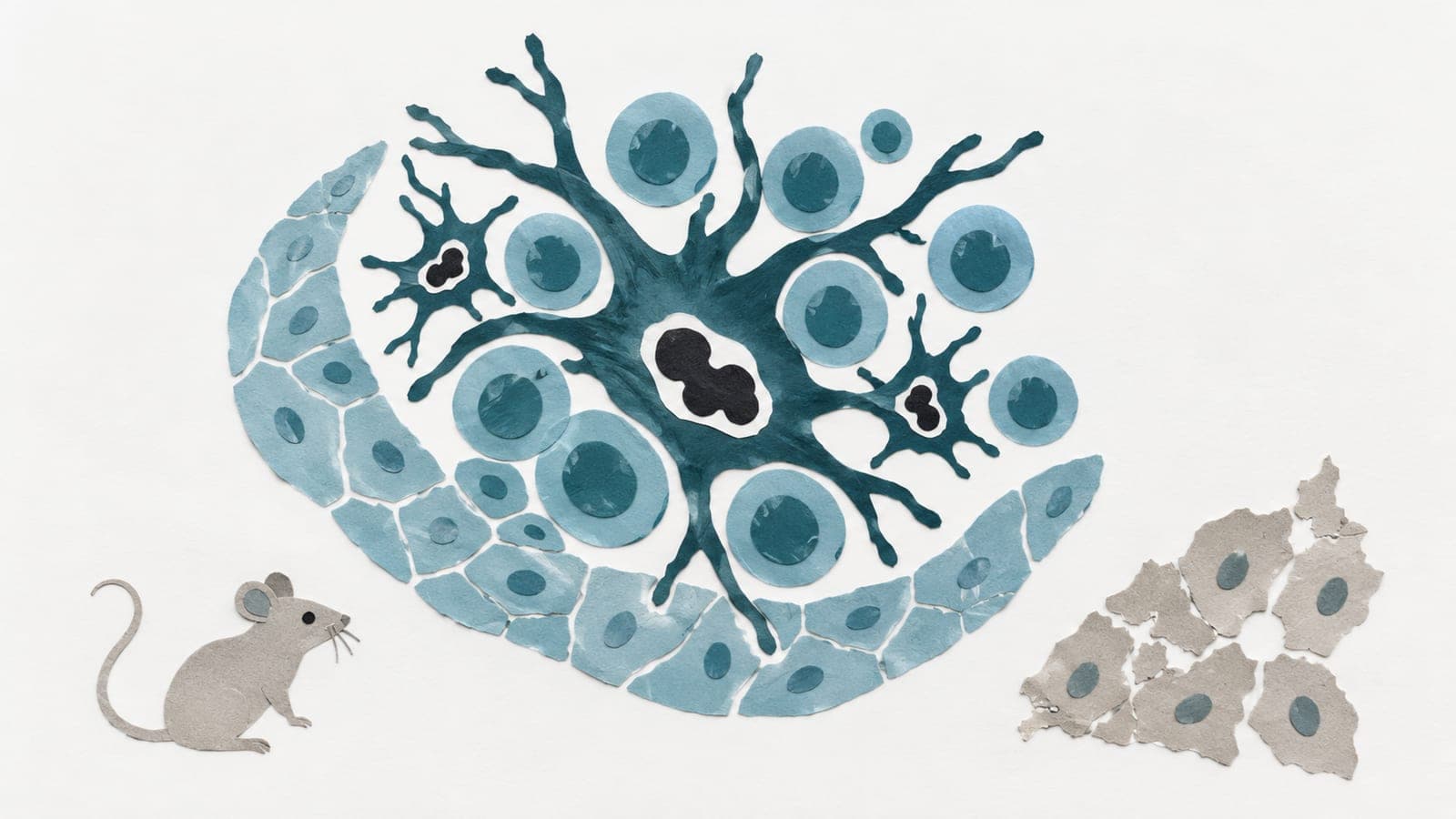
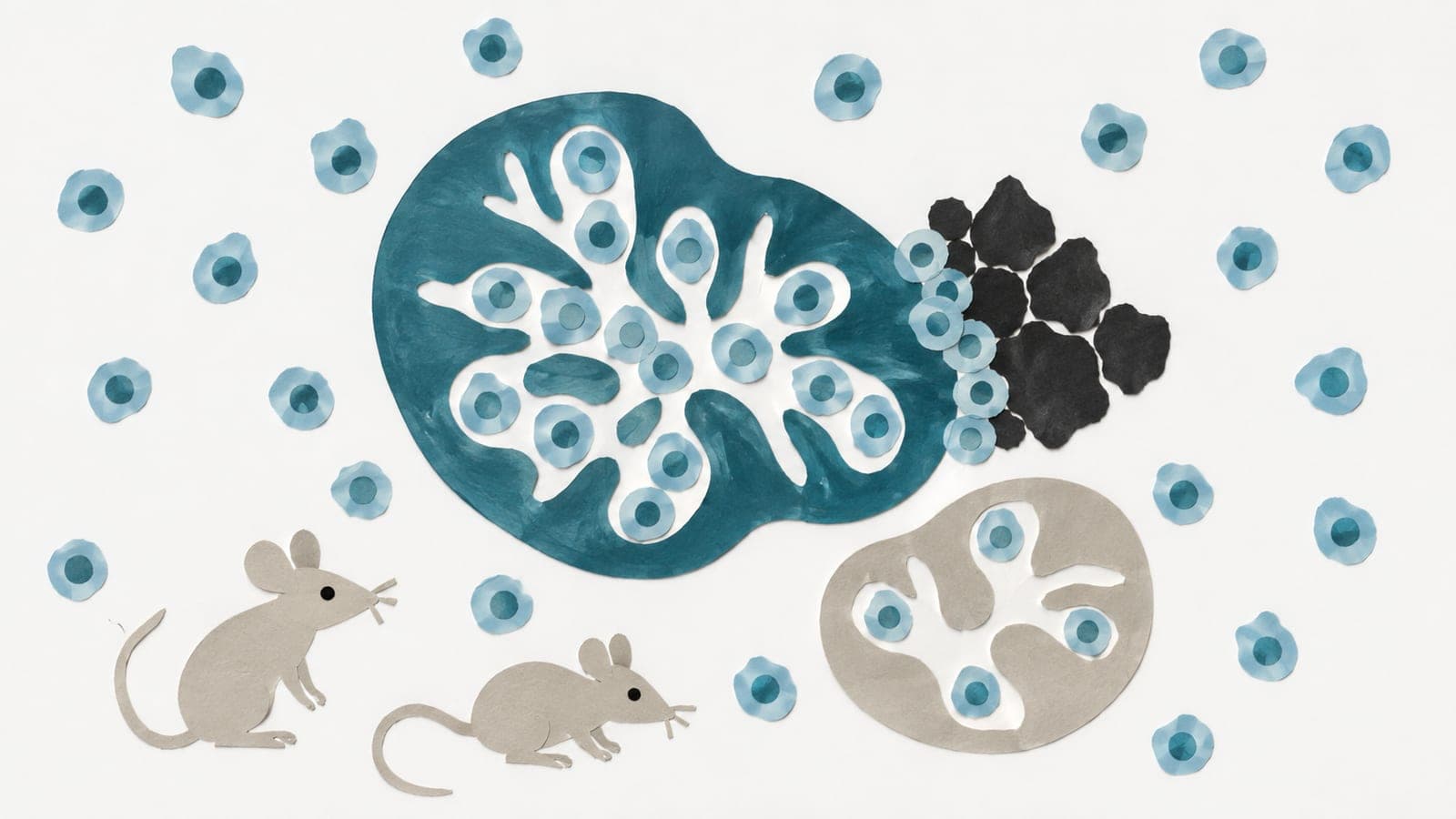
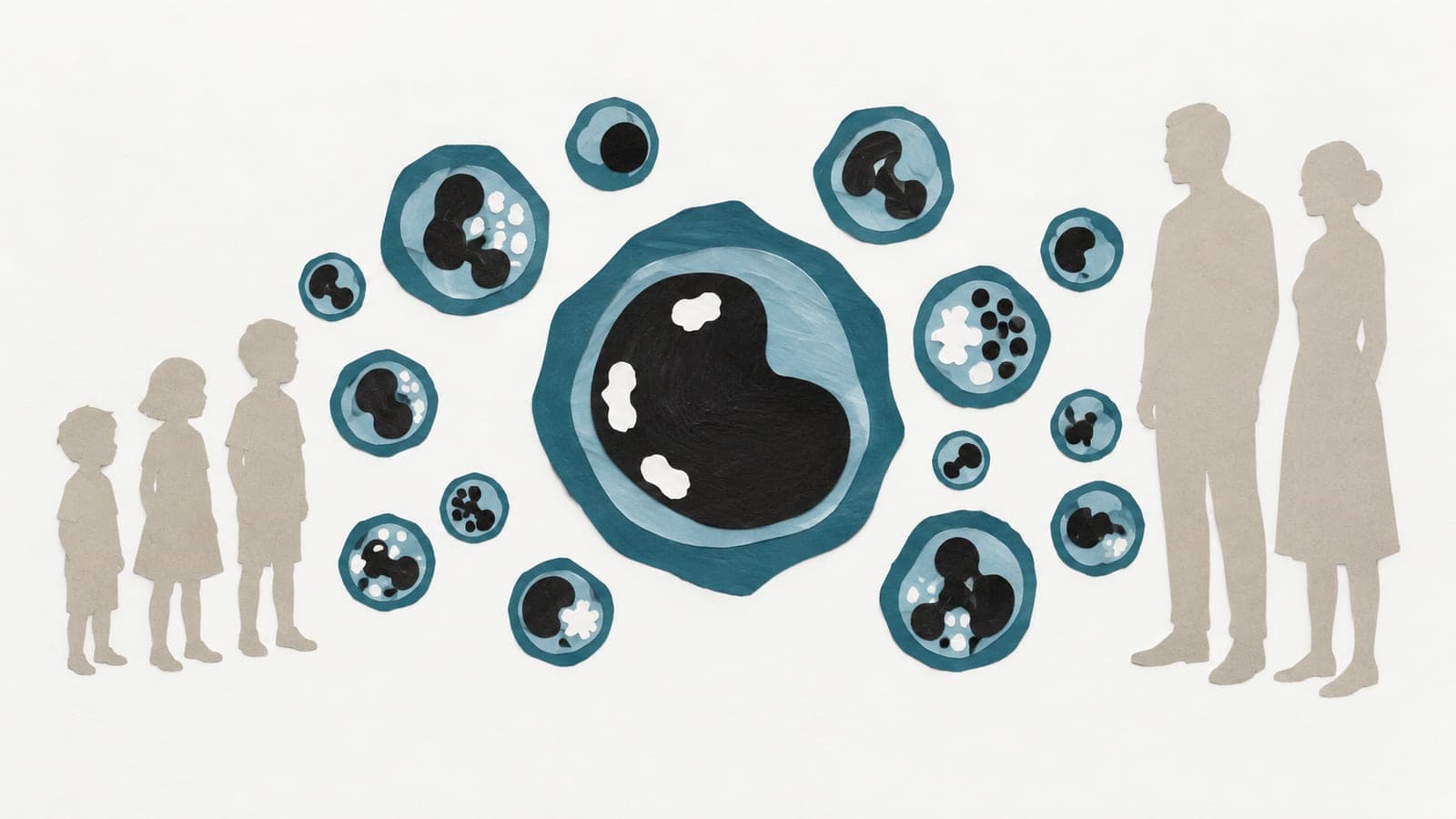
Thymic dendritic cells (DCs) are critical mediators of central tolerance, cooperating with medullary thymic epithelial cells (mTECs) and B cells to establish T-cell self-tolerance to the proteome. The DC compartment is highly heterogeneous and is comprised of three major subsets, plasmacytoid dendritic cells (pDCs) and two conventional dendritic cell (cDC) subsets, cDC1 and cDC2. Thymic cDC1 and cDC2 arise from distinct progenitors and access the thymus at different stages of their differentiation, but both become activated by cellular and secreted cues received within the sterile thymus environment. Activated cDC1s and cDC2s have been implicated in presenting distinct types of self-antigens to induce central tolerance. Thus, understanding how the distinct cDC subsets are regulated within the thymus environment will provide important insights into mechanisms governing self-tolerance. Furthermore, the thymic DC compartment undergoes age-associated compositional and transcriptional changes that likely impact the efficiency and quality of central tolerance established over the lifespan. Here, we review recent findings from our lab and others on mechanisms regulating thymic DC activation, the distinct roles of thymic DC subsets in central tolerance, and age-associated changes in thymic DCs that could impact T-cell selection.
The paper
The University of Texas at Austin
Immunological Reviews, 28 May 2025