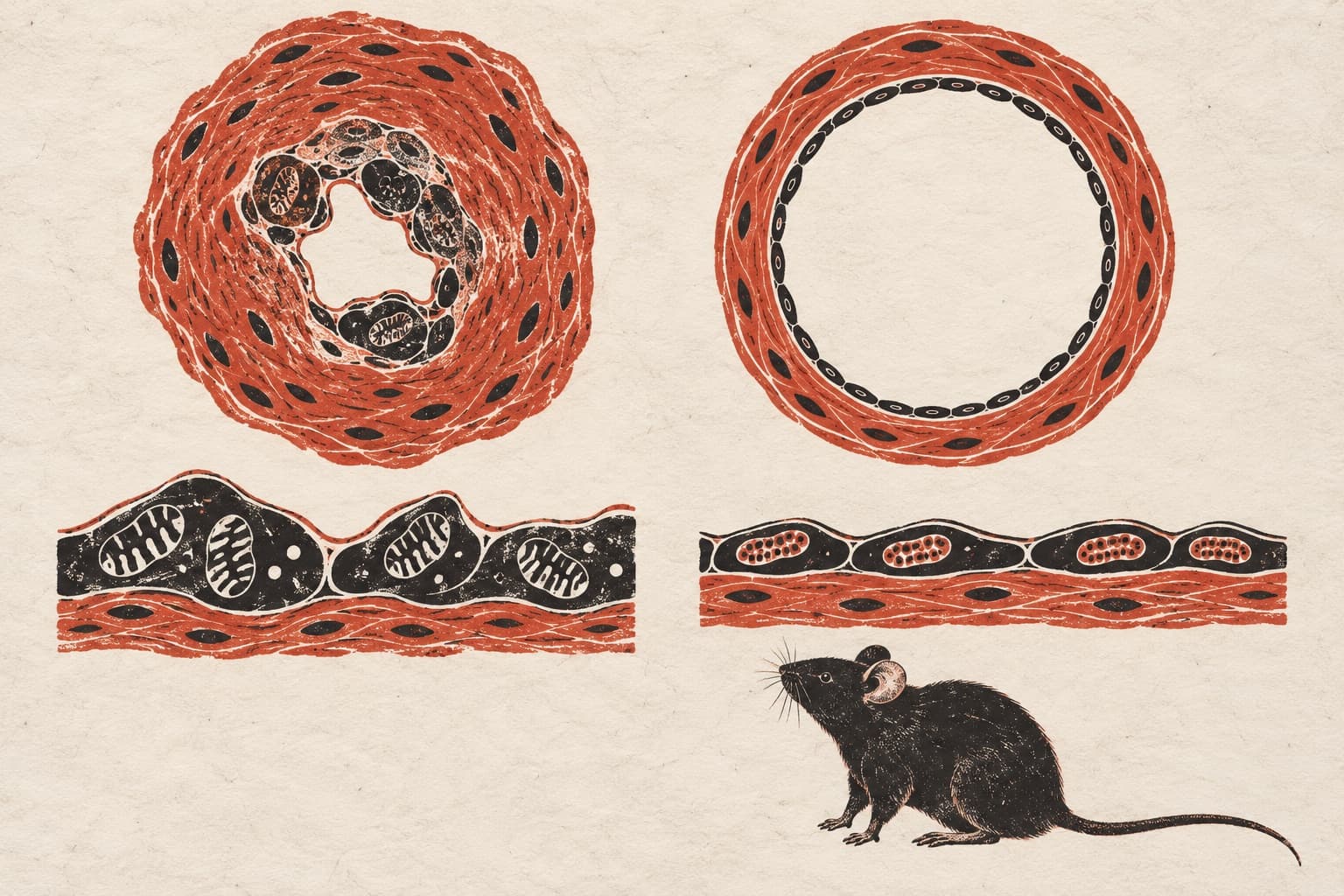
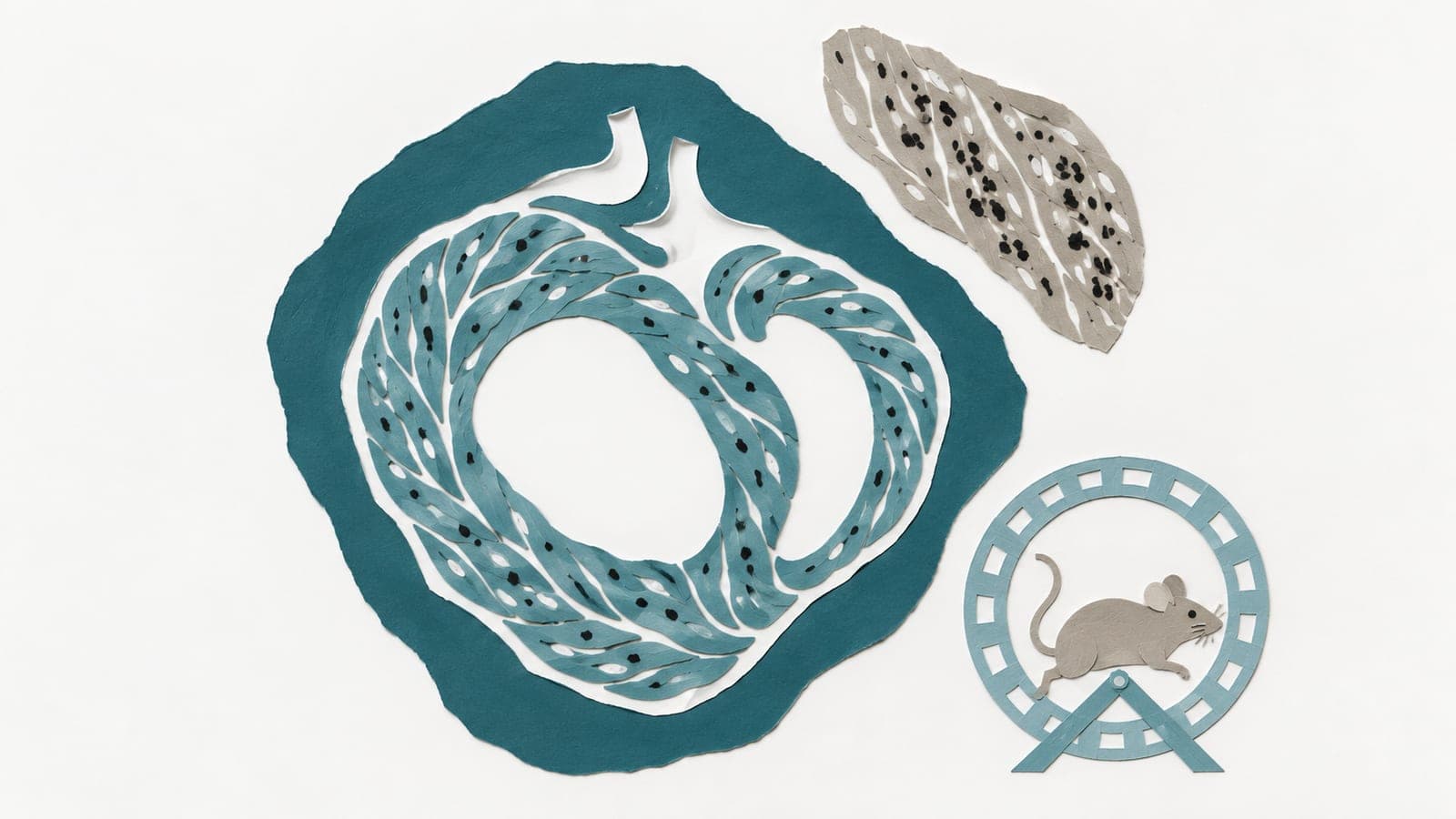
Suppressing endothelial senescence: A comprehensive analysis of metformin's mechanisms and implications
Abstract
Endothelial cell senescence serves as a pivotal driver of vascular dysfunction and cardiovascular pathogenesis. Metformin, a first-line antidiabetic agent, has expanded beyond its traditional role in glycemic control, with accumulating evidence underscoring its anti-aging properties. Endothelial dysfunction constitutes a central pathological basis for the development and progression of cardiovascular disease (CVD), and the restoration of endothelial function has been demonstrated to significantly mitigate cardiovascular event risks. Preclinical and clinical studies indicate that metformin-whether administered as monotherapy or in combination regimens-has demonstrated significant potential in the treatment of CVD by ameliorating endothelial dysfunction. Emerging evidence indicates metformin attenuates endothelial senescence and enhances cellular function via pleiotropic mechanisms, thereby preserving endothelial function and retarding cardiovascular disease (CVD) progression. This review systematically elucidates current understanding of metformin's senescence-inhibitory mechanisms in endothelial cells and evaluates its translational potential for CVD intervention, which may provide novel strategies for next-generation CVD pharmacotherapeutics.