Features and mechanisms of long-lived Myotis somatic fibroblasts in response to DNA replication stress
Abstract
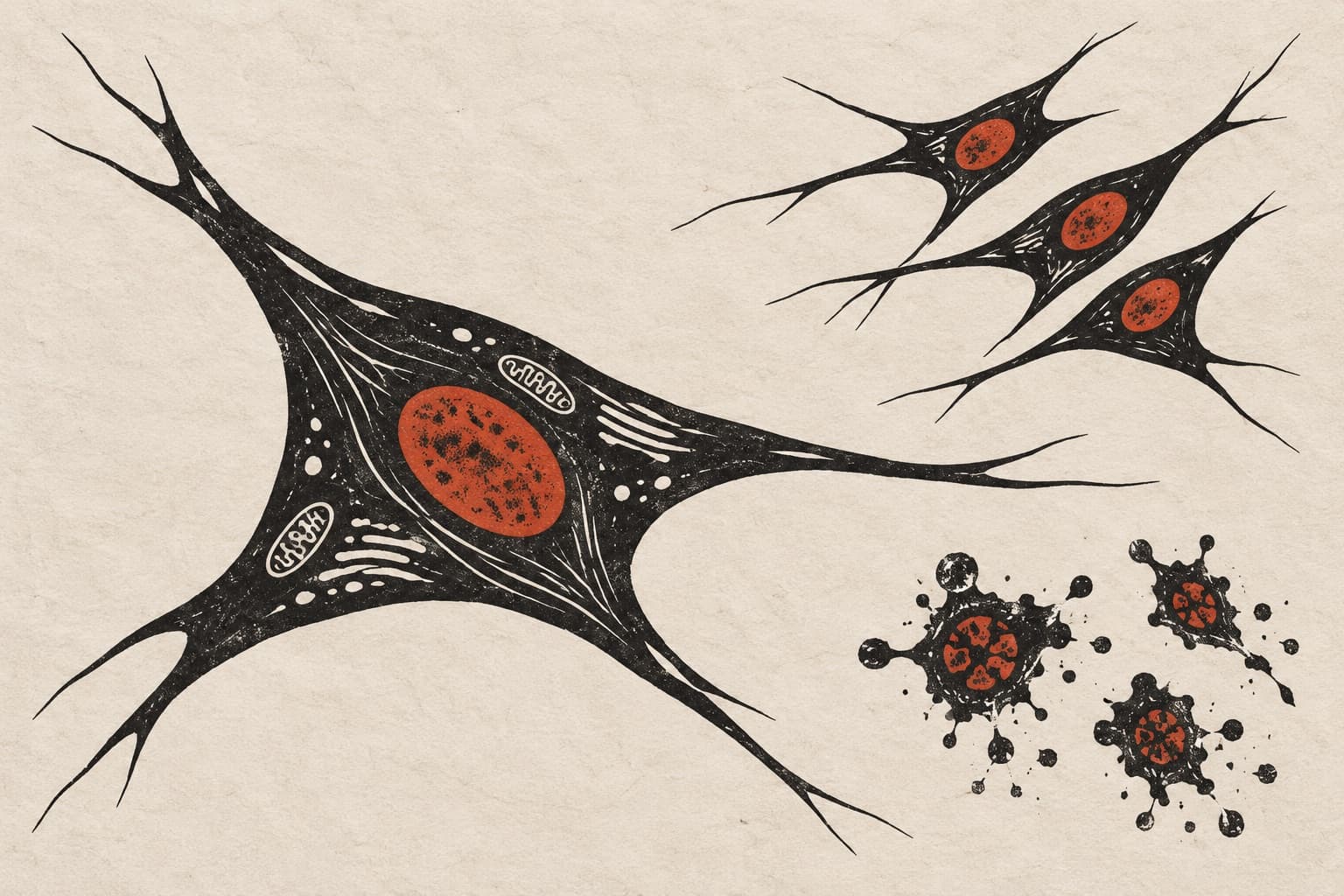
The DNA replication stress (RS) response is crucial for maintaining cellular homeostasis and promoting physiological longevity. However, the mechanisms by which long-lived species, such as bats, regulate RS to maintain genomic stability remain unclear. Also, recent studies have uncovered noncanonical roles of ribosome-associated factors in maintaining genomic stability. In this study, somatic skin fibroblasts from the long-lived big-footed bat ( Myotis pilosus) were examined, with results showing that bat cells exhibited enhanced RS tolerance compared to mouse cells. Comparative transcriptome analysis under RS conditions revealed pronounced species-specific transcriptional differences, including robust up-regulation of ribosome biogenesis genes in bat cells and a markedly reduced activation of the P53 signaling pathway. These features emphasize a distinct homeostatic strategy in bat cells. Nuclear fragile X mental retardation-interacting protein 1 ( Nufip1), a ribosome-associated factor highly expressed in bat fibroblasts, was identified as a potential integrator of ribosomal and P53 signaling via its association with ribosomal protein S27-like (Rps27l). These findings provide direct cellular and molecular evidence for a noncanonical RS response in bats, highlighting a deeper understanding of the biological characteristics and genomic maintenance mechanisms of long-lived species.
The paper
Kunming Institute of Zoology
Zoological Research, 18 May 2025