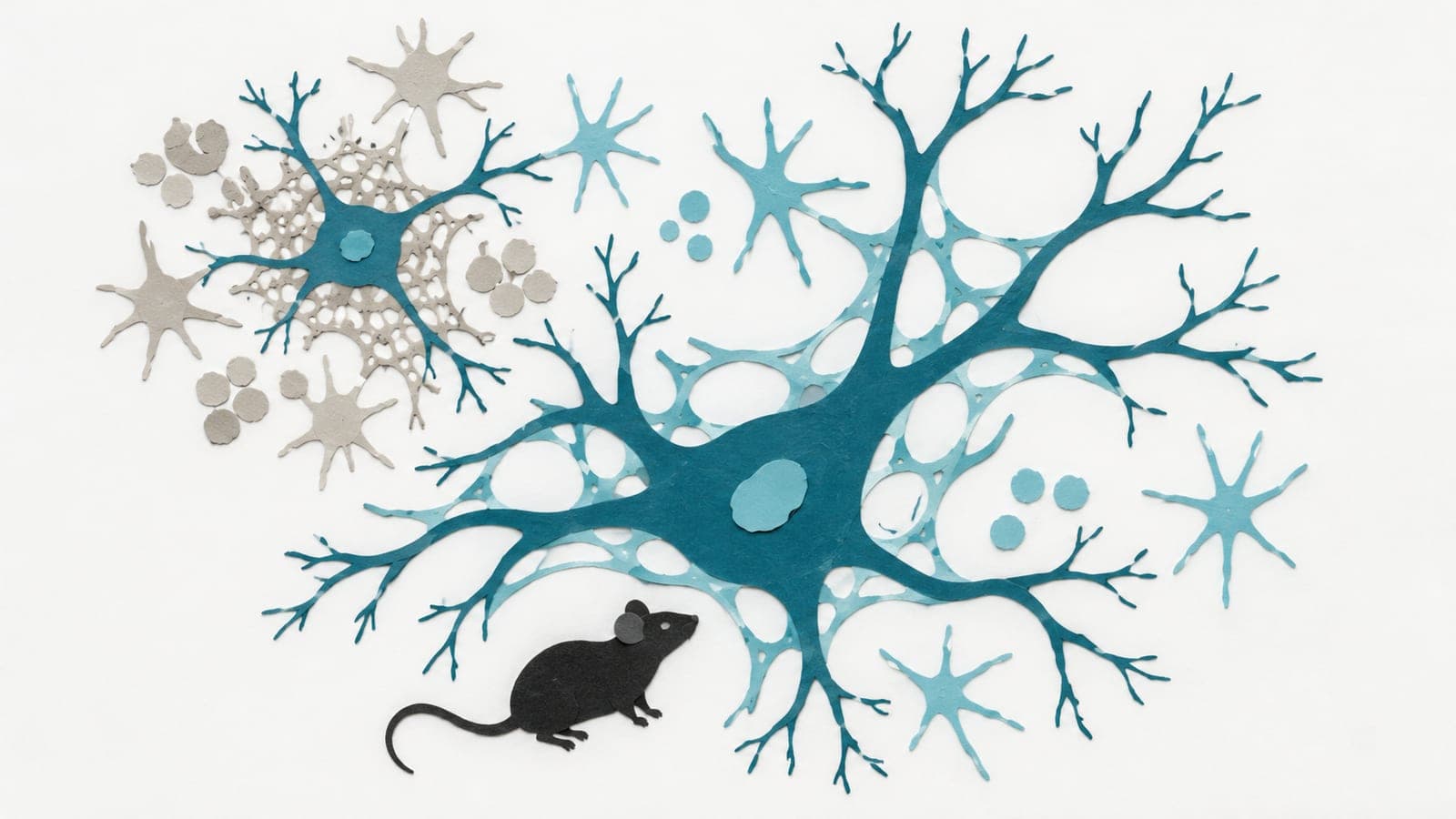
p16-expressing microglia and endothelial cells promote tauopathy and neurovascular abnormalities in PS19 mice
Abstract
Cellular senescence is characterized by irreversible cell-cycle exit, a pro-inflammatory secretory phenotype, macromolecular damage, and deregulated metabolism. Senescent cells are highly associated with age-related diseases. We previously demonstrated that targeted elimination of senescent cells prevents neurodegenerative disease in tau (MAPTP301S;PS19) mutant mice. Here, we show that genetic ablation of the senescence mediator p16Ink4a is sufficient to attenuate senescence signatures in PS19 mice. Disease phenotypes-including neuroinflammation, phosphorylated tau, neurodegeneration, and cognitive impairment-were blunted in the absence of p16Ink4a. Additionally, we found that PS19 mouse brains display p16Ink4-dependent neurovascular alterations such as vessel dilation, increased vessel density, deregulated endothelial cell extracellular matrix, and astrocytic endfoot depolarization. Finally, we show that p16Ink4a deletion in endothelial cells and microglia alone attenuates many of the same phenotypes. Altogether, these results indicate that neurodegenerative disease in PS19 mice is driven, at least in part, by p16Ink4a-expressing endothelial cells and microglia.
The paper
Mayo Clinic
Neuron, 16 May 2025, Open access, accepted manuscript