Unveiling the impact of DNA-methylation age acceleration on mortality risk in diabetes and pre-diabetes: insights from the US NHANES program
Abstract
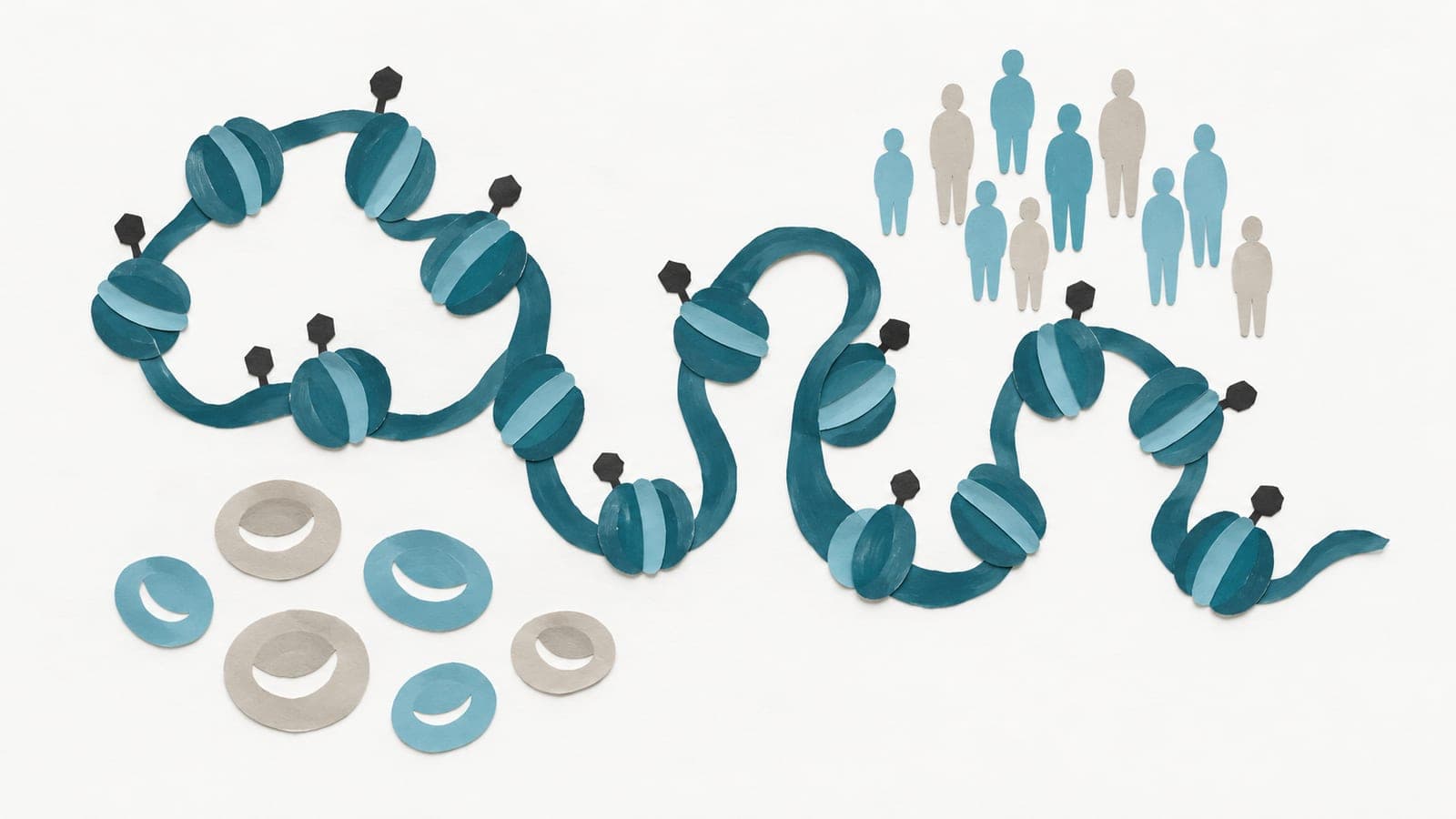
BACKGROUND: Diabetes ranks as the ninth leading cause of death globally, and DNA-methylation age acceleration (DNAmAA) is closely linked to lifespan. However, the impact of DNAmAA on long-term outcomes in specific populations with diabetes and pre-diabetes has not yet been comprehensively studied. METHODS: This retrospective cohort study utilized data from the National Health and Nutrition Examination Survey (NHANES) 1999-2002, including participants aged 20 years or older diagnosed with diabetes or pre-diabetes. DNAmAA was defined as the difference between epigenetic age and chronological age. Multiple generations of DNAmAA measures were included. Cox proportional hazards regression models were employed to estimate the associations between DNAmAAs and all-cause, cardiovascular, and non-cardiovascular mortality. RESULTS: A total of 1,199 participants were included, with a mean age of 64.20 (0.46) years; 621 (51.8%) were male. Significant correlations were observed between chronological age and all DNA-methylation ages in both diabetes and pre-diabetes groups. Over a mean follow-up of 14.13 (5.90) years, 662 deaths were recorded. AgeAccelGrim2 exhibited the strongest association with mortality. Each 5-unit increase in AgeAccelGrim2 was associated with an elevated risk of all-cause mortality (HR 1.35, 95% CI 1.23-1.49), cardiovascular mortality (HR 1.50, 95% CI 1.25-1.80), and non-cardiovascular mortality (HR 1.30, 95% CI 1.16-1.46). These associations remained significant in participants with diabetes and pre-diabetes. Mediation analysis revealed that AgeAccelGrim2 significantly mediates the association between health-related exposures (including the Oxidative Balance Score, Life's Simple 7 score, and frailty score) and all-cause mortality in diabetes and pre-diabetes populations. CONCLUSIONS: AgeAccelGrim2 could serve as a valuable biomarker for mortality risk specific to populations with diabetes and pre-diabetes, offering potential applications in personalized management strategies and risk stratification.
The paper
Chinese Academy of Medical Sciences & Peking Union Medical College; University of Liverpool
Clinical Epigenetics, 16 May 2025