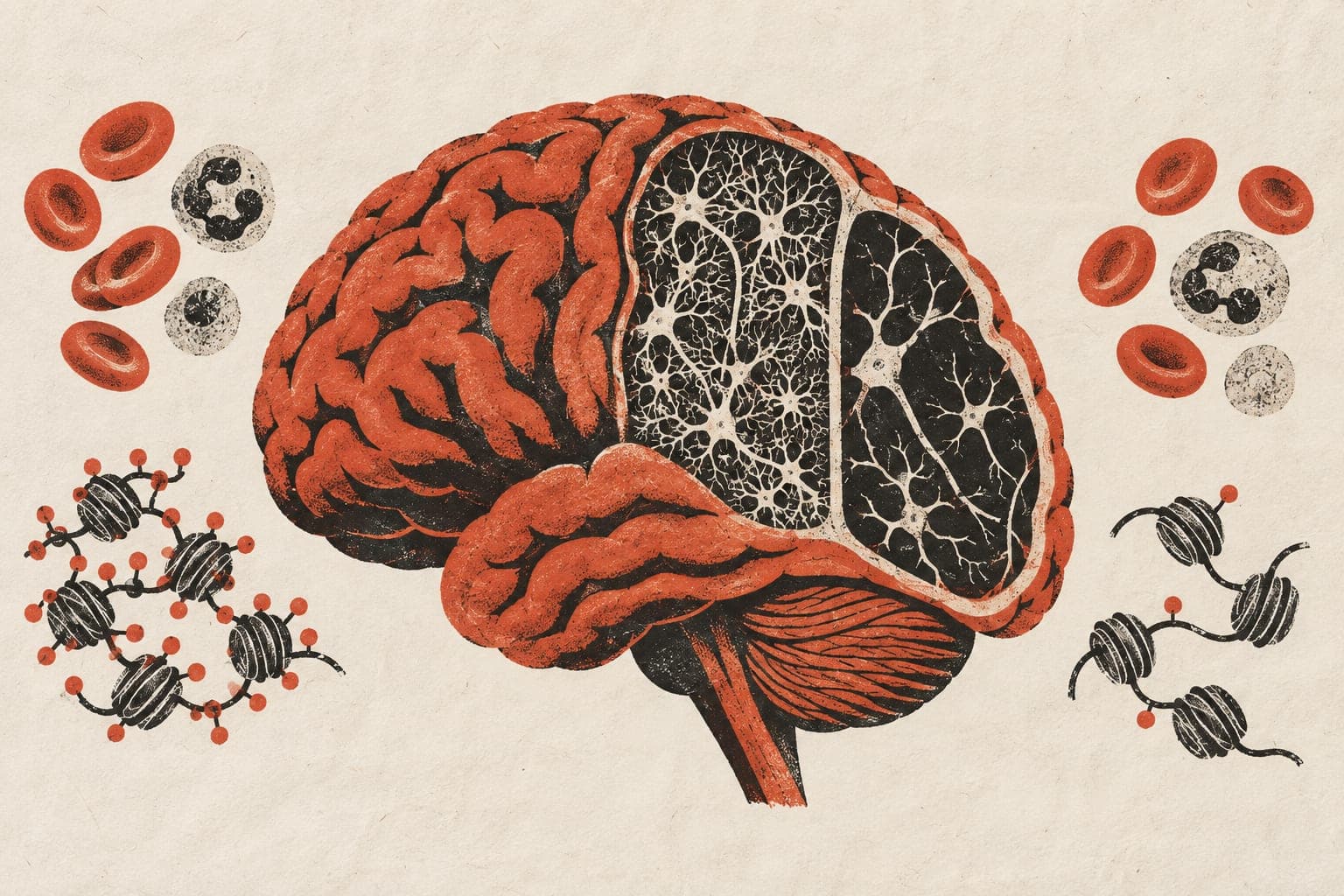
DNA aging markers linked to social disparities in mortality
GrimAge2, a DNA-based aging measure, statistically accounted for up to 52% of associations between social factors and deaths from any cause.
Aging
An observational study of 2,402 participants in the US National Health and Nutrition Examination Survey examined links between social factors, DNA-based aging measures and deaths. Researchers linked survey data from 1999–2002 with death records through 2019. They analysed 13 aging measures based on DNA methylation, chemical tags attached to DNA.
After adjusting for gender, age and whether participants were born in the US, several measures statistically accounted for part of the associations between social factors and deaths from any cause. GrimAge2, one of these measures, accounted for the largest share: up to 52%. The social factors included race, ethnicity, education, income and occupation. Its estimated share generally exceeded that of the traditional clinical risk factors measured in the study.
Why it matters
For understanding social differences in longevity, the study suggests that DNA-based measures may be useful clinical aging indicators of how disadvantage is reflected in biology.
Caveats
This observational analysis cannot establish cause and effect. Statistically accounting for an association does not show that changes in DNA methylation caused deaths.