Study on the role of miR-10b-3p as SASP in exosomes of premature senescent hepatocytes induced by hexavalent chromium
Abstract
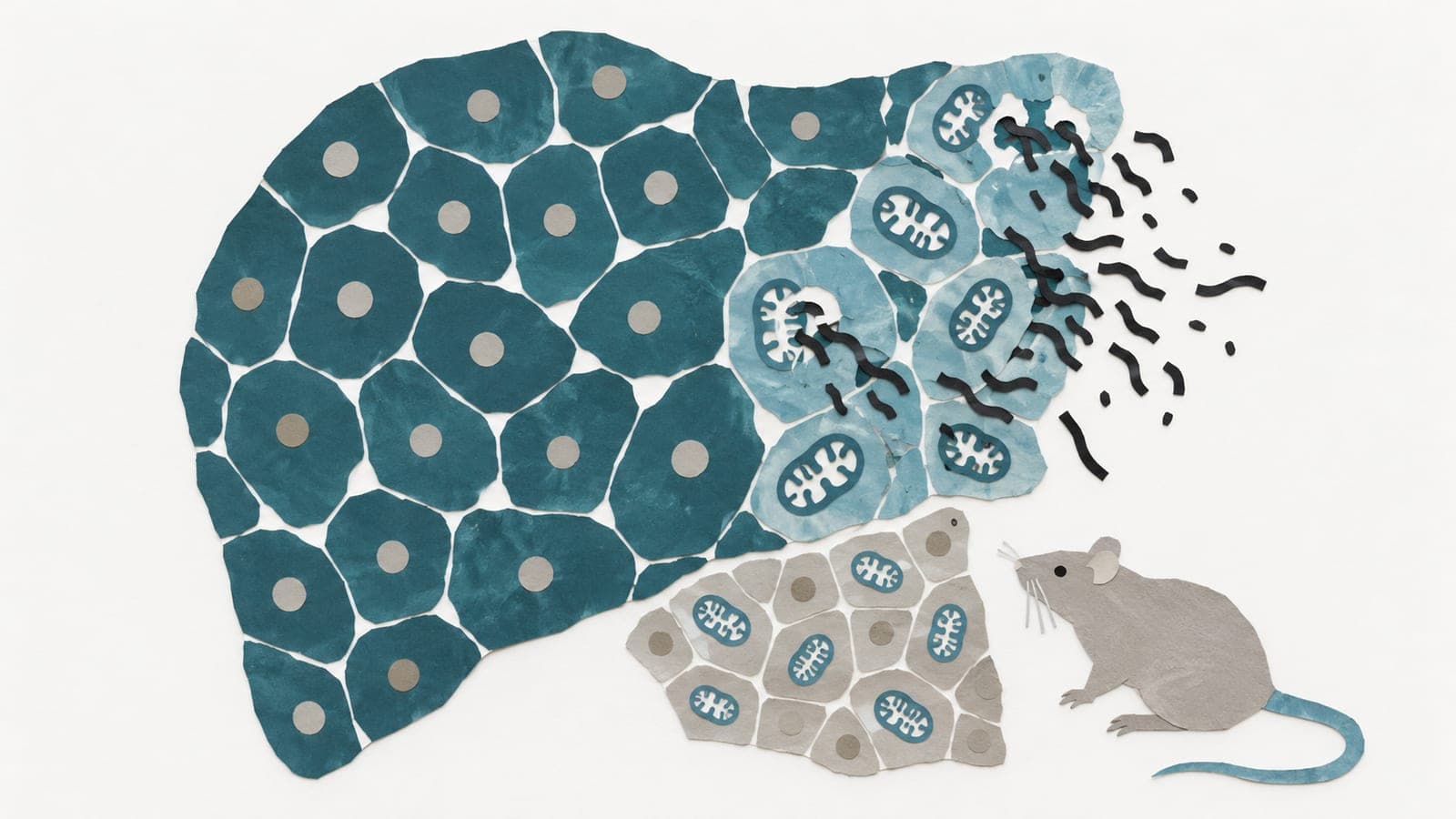
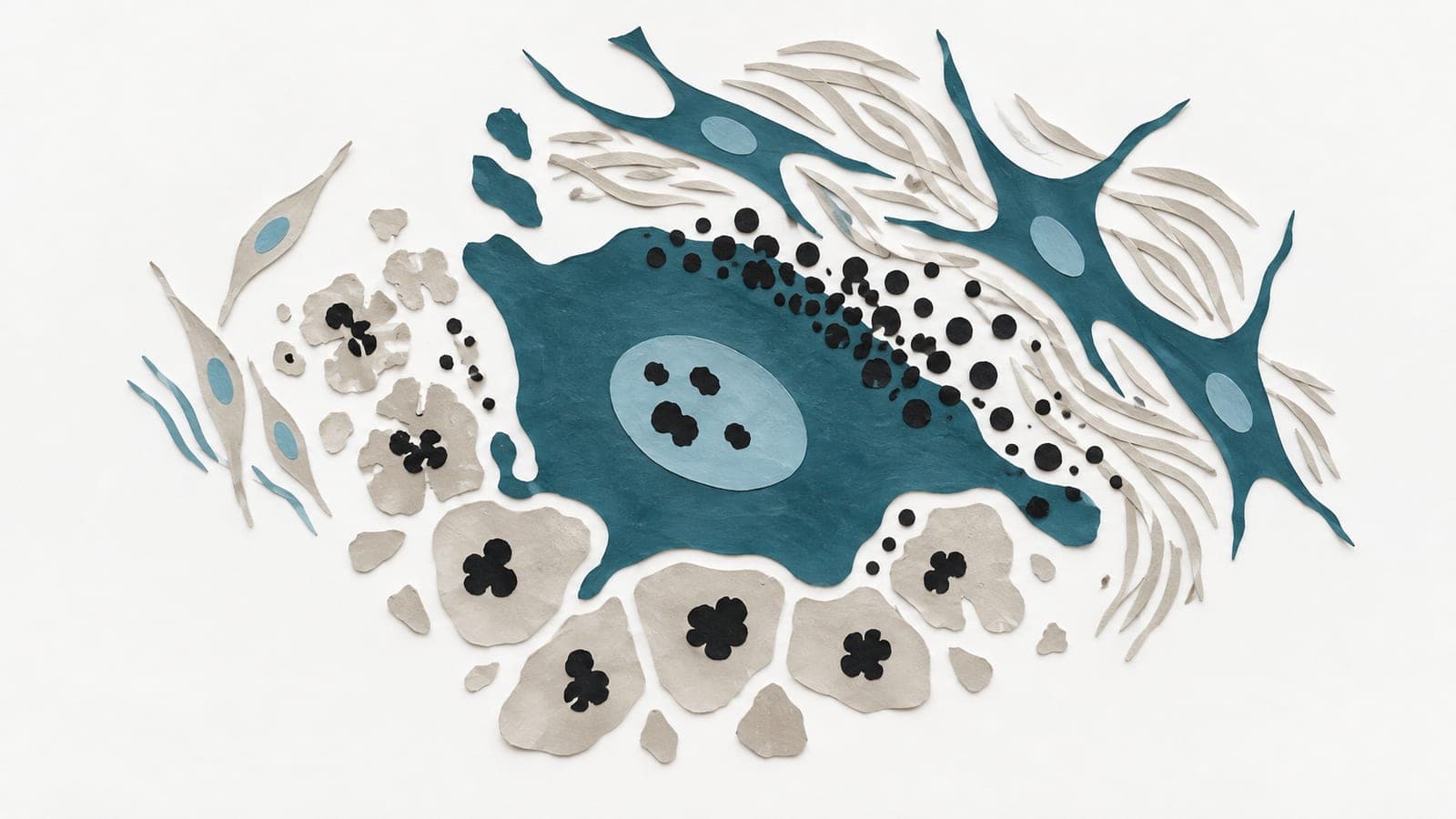
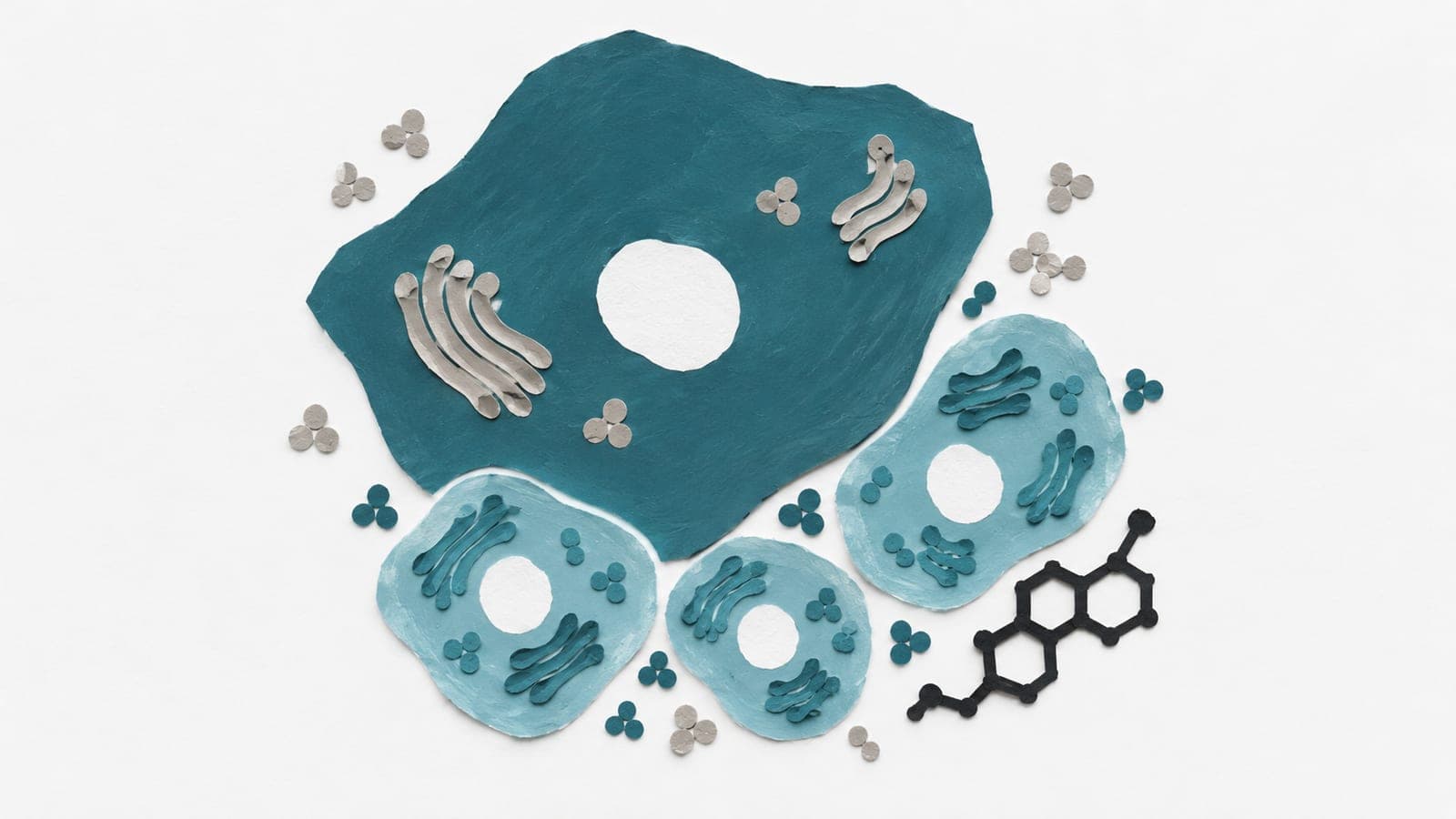
The exact mechanisms through which chronic, low-concentration exposure to Cr(VI) facilitates the development of related pathological conditions remain to be fully elucidated. Senescence-associated secretory phenotype (SASP) exhibits a bidirectional regulatory function in biological processes. Consequently, it is essential to identify the formulation and functional characteristics of the SASP released by Cr(VI)-triggered senescent L02 hepatocytes (S-L02). In this study, exosomes were extracted from the conditioned media of both normal L02 cells and their senescent counterparts (Senescent L02, S-L02 cells). Among the miRNAs identified in the exosomes, miR-10b-3p was found to be the most abundantly expressed in the exosomes derived from S-L02 cells. As part of the SASP, miR-10b-3p was shown to suppress the proliferation of both L02 and S-L02 cells. Simultaneously, it promoted the growth, migration, and invasive capabilities of hepatocellular carcinoma (HCC) cells. The next mechanistic analysis showed that miR-10b-3p reduces the regulatory influence of the protein PHLPP2 on Akt by downregulating its target gene, PHLPP2. This suppression led to lower levels of p27, FOXO3a and p21, thereby enhancing the proliferation of HCC cells by relieving the negative regulatory mechanisms of the cell cycle. This research offers significant understanding into the oncogenic pathways induced by Cr(VI), and provides laboratory evidence for mechanistic studies targeting hepatic carcinoma associated with Cr(VI) exposure.
The paper
Central South University; Dalian Medical University
Ecotoxicology and Environmental Safety, 15 May 2025