Tissue-specific effects of bacterial PncA overexpression on NAD⁺ metabolism and aging in mice: implications for tissue-specific aging interventions
Abstract
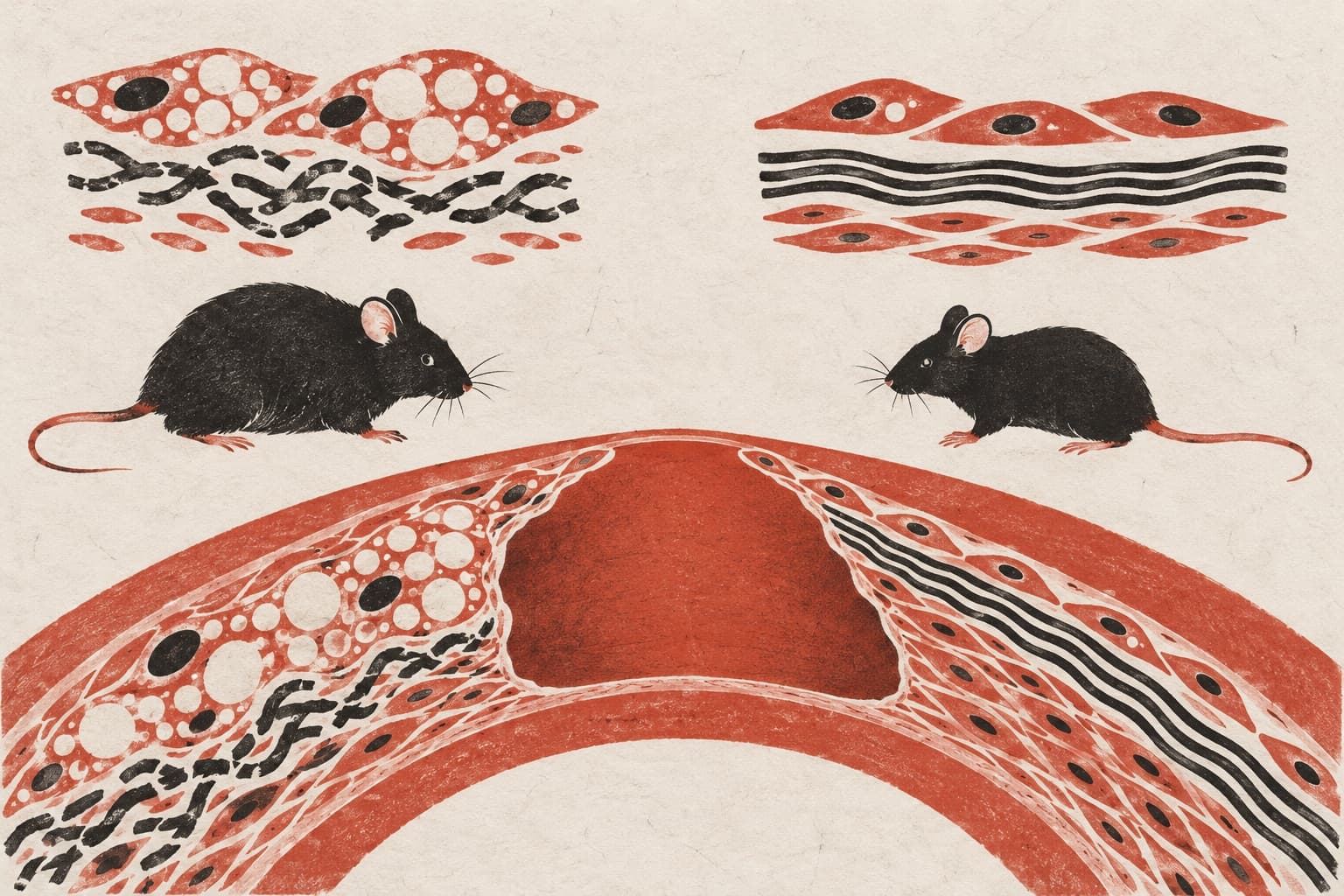
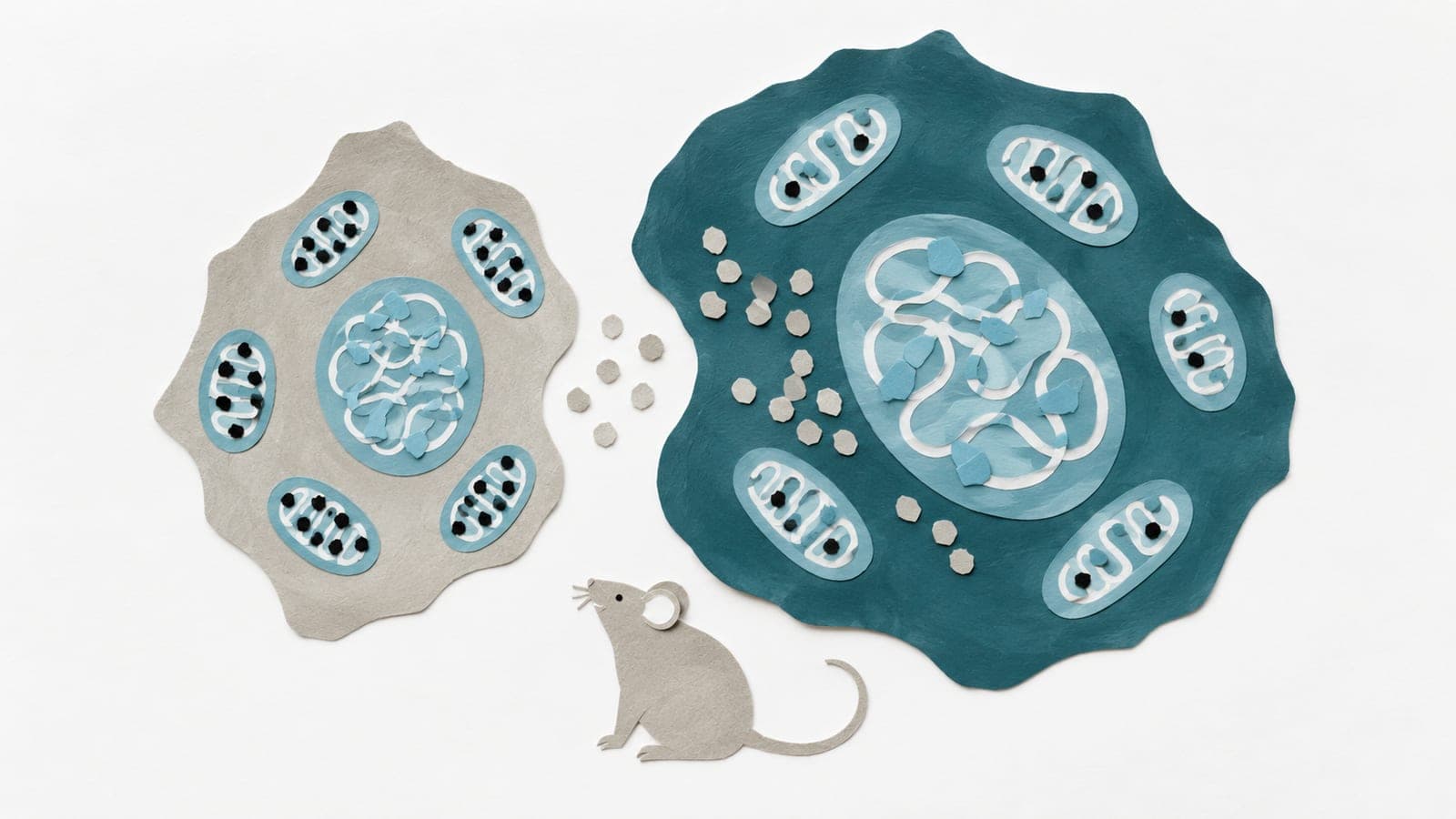
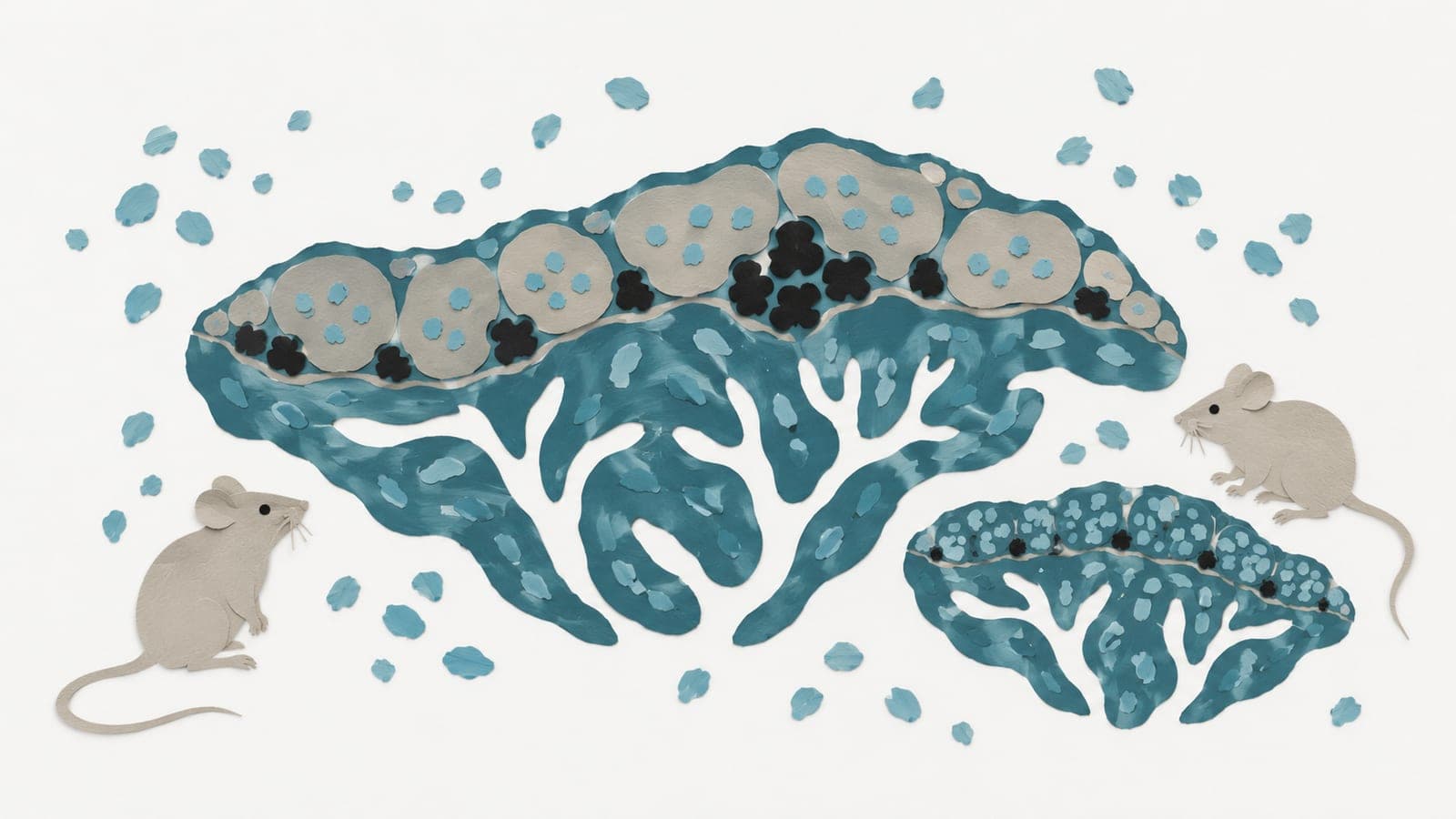
BACKGROUND: As a critical molecule in biological systems, nicotinamide adenine dinucleotide (NAD⁺) influences the aging of mammals. Therefore, regulation of NAD⁺ synthesis and degradation may slow aging and mitigate related diseases. RESULTS: This study investigated how mammalian tissues rely on different NAD⁺ synthesis pathways and prefer specific NAD⁺ precursors. Overexpressing the bacterial nicotinamidase PncA in mice increased NAD⁺ levels in the liver and kidneys but decreased levels in the heart and hippocampus. In aged mice (25 months old), this overexpression delayed aging indicators by boosting NAD⁺ levels in the liver and kidneys, indicating potential for PncA to improve age-related decline in these tissues. However, in younger mice (4 months old), PncA overexpression accelerates the senescence of cardiac cells, resulting in a reduction of NAD + levels, increased aging markers, and cognitive decline. These disparate results underscore the necessity of a nuanced, tissue-specific perspective when contemplating the use of NAD⁺ precursor supplementation as a means of addressing aging. CONCLUSION: Our study highlights the complexity of NAD⁺ metabolism and its effects on aging in various tissues. It suggests personalized interventions for aging and age-related diseases by showing how different tissues respond to NAD⁺ precursor manipulation, emphasizing the importance of targeted strategies for optimal therapeutic results with minimal side effects.
The paper
Tongji University; Shihezi University
Frontiers in Aging, 28 Apr 2025