DLK/JNK3 Upregulation Aggravates Hair Cell Senescence in Mice Cochleae via Excessive Autophagy
Abstract
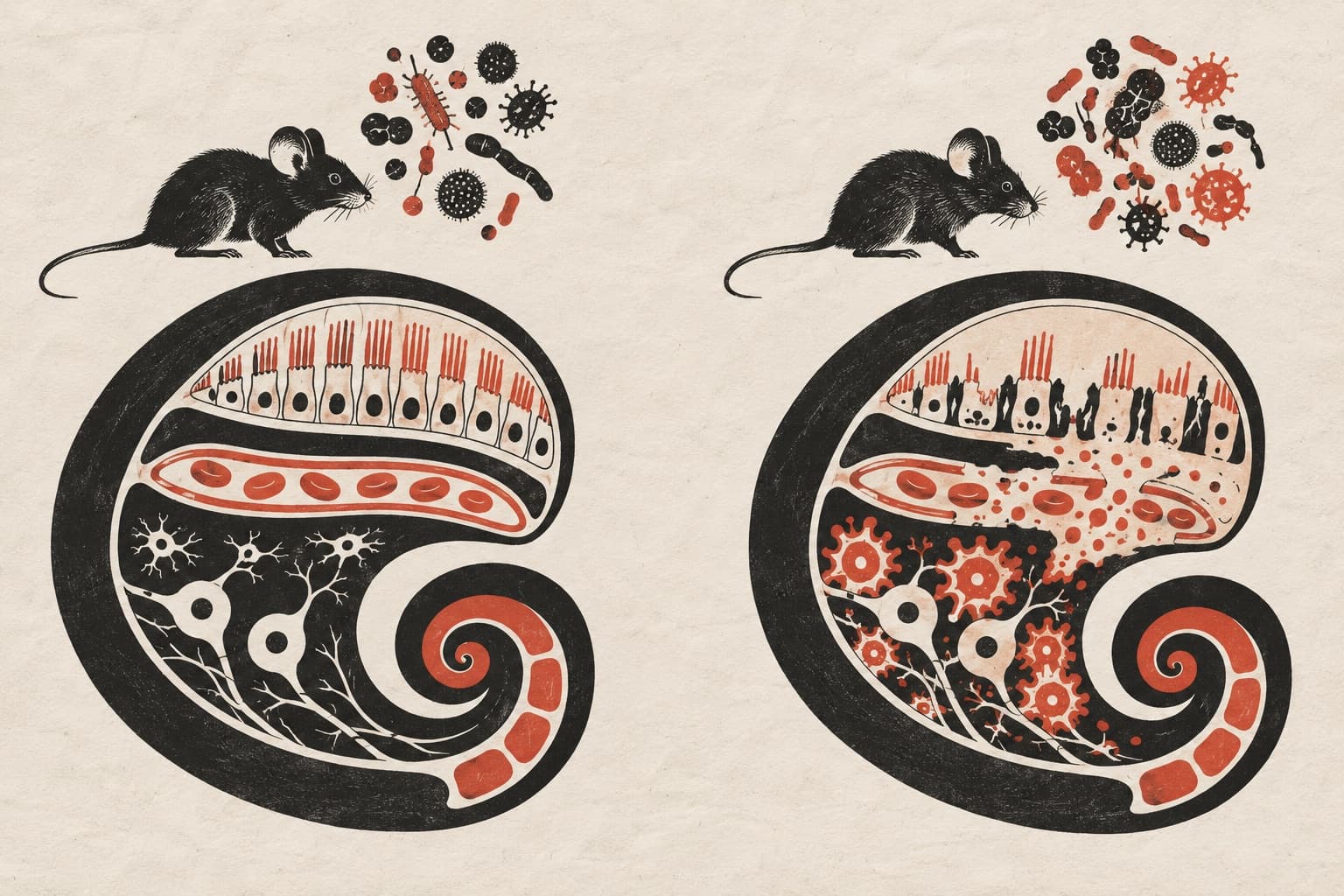
Cell death mediated by the abnormal activation of autophagy has been observed in many neurodegenerative diseases. Dual leucine zipper kinase (DLK), a member of the mitogen-activated protein kinase cascade, plays a key role in regulating cellular autophagy and the progression of neurodegenerative diseases. However, its role in age-related hearing loss has not been reported. In this study, we found that DLK, phosphorylated c-Jun N-terminal kinase (p-JNK), and JNK3 expression increased in the cochleae of C57BL/6J mice during aging. The DLK/JNK pathway and autophagy are excessively activated in the House Ear Institute-Organ of Corti 1 (HEI-OC1) senescent hair cell line. After DLK was upregulated in HEI-OC1 cells, autophagy was activated, and cell aging was initiated. Inhibiting the DLK/JNK pathway in senescent HEI-OC1 cells can reduce autophagy activation and senescence, and inhibiting autophagy activation can also alleviate senescence. The inhibition of DLK or JNK3 in vivo significantly reduced age-related cochlear structural damage and hearing loss in C57BL/6J mice. The results of the present study showed that DLK/JNK3 may play a key role in cochlear hair cell senescence and age-related hearing loss through the abnormal activation of autophagy within cochlear hair cells, suggesting that DLK or JNK3 may be potential targets for alleviating age-related hearing loss.
The paper
Shanghai Jiao Tong University
Aging Cell, 12 May 2025, Open access