Metformin alleviates cadmium-induced reproductive toxicity by enhancing mitochondrial biosynthesis and epigenetic modifications in female mice
Abstract
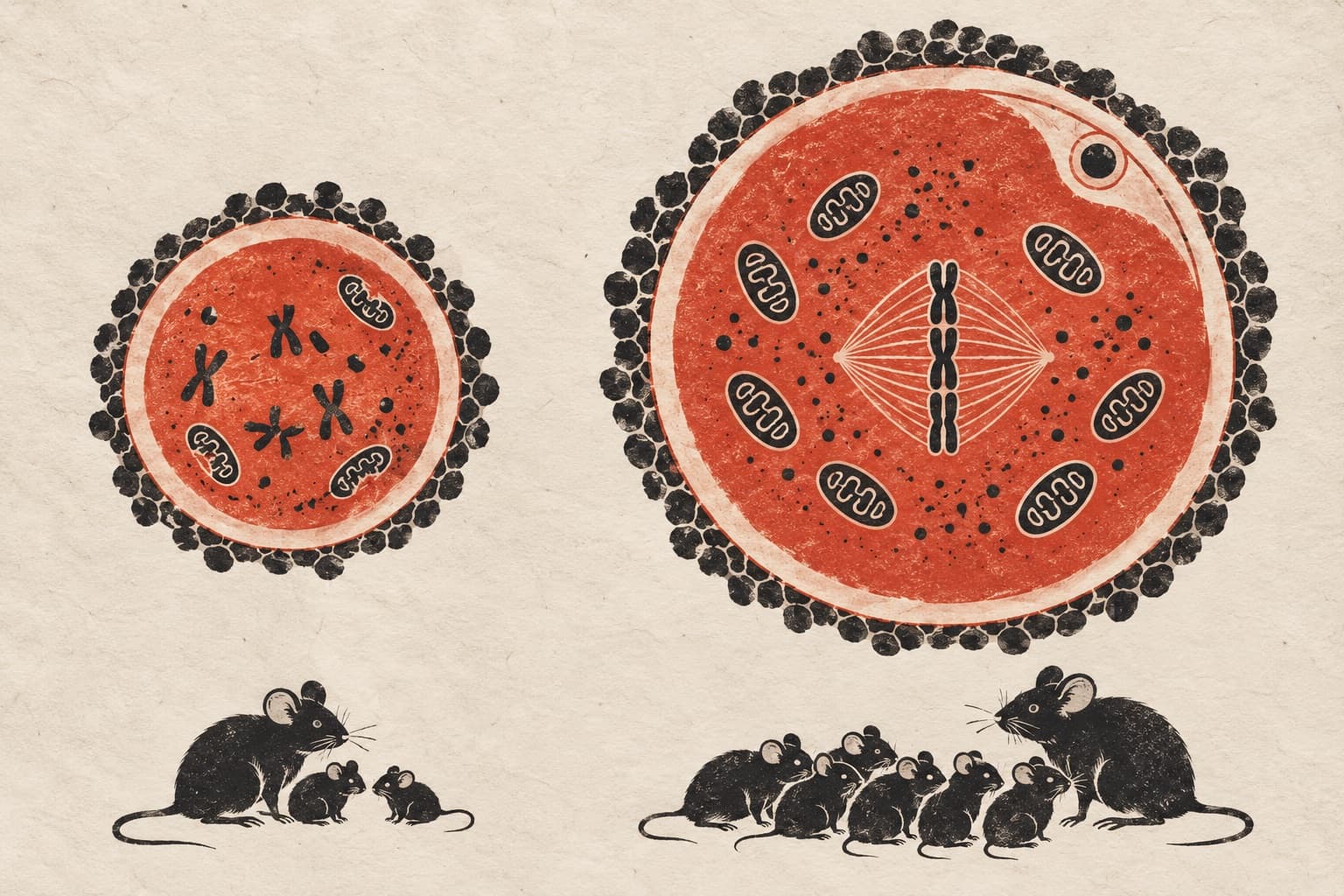
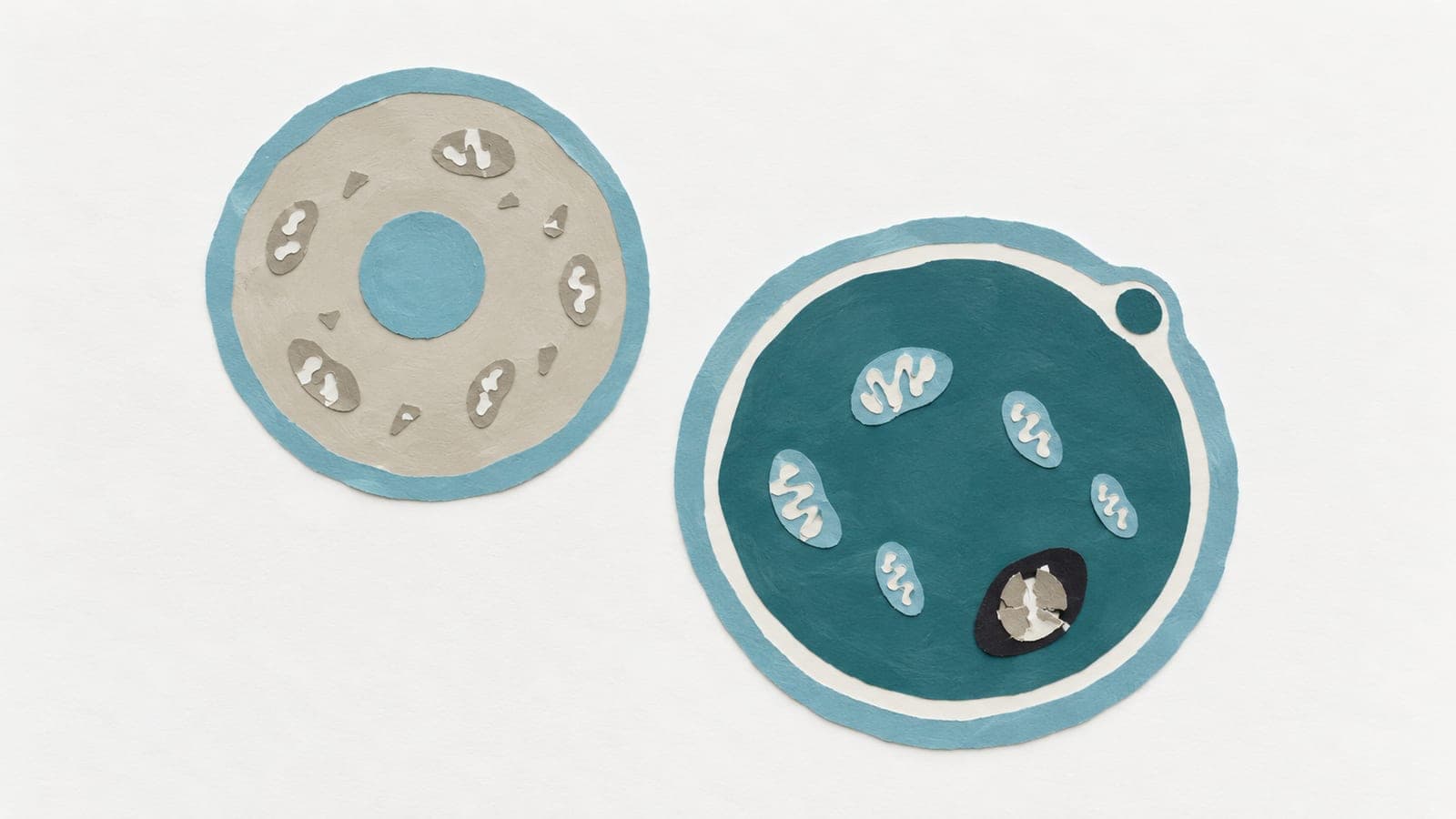
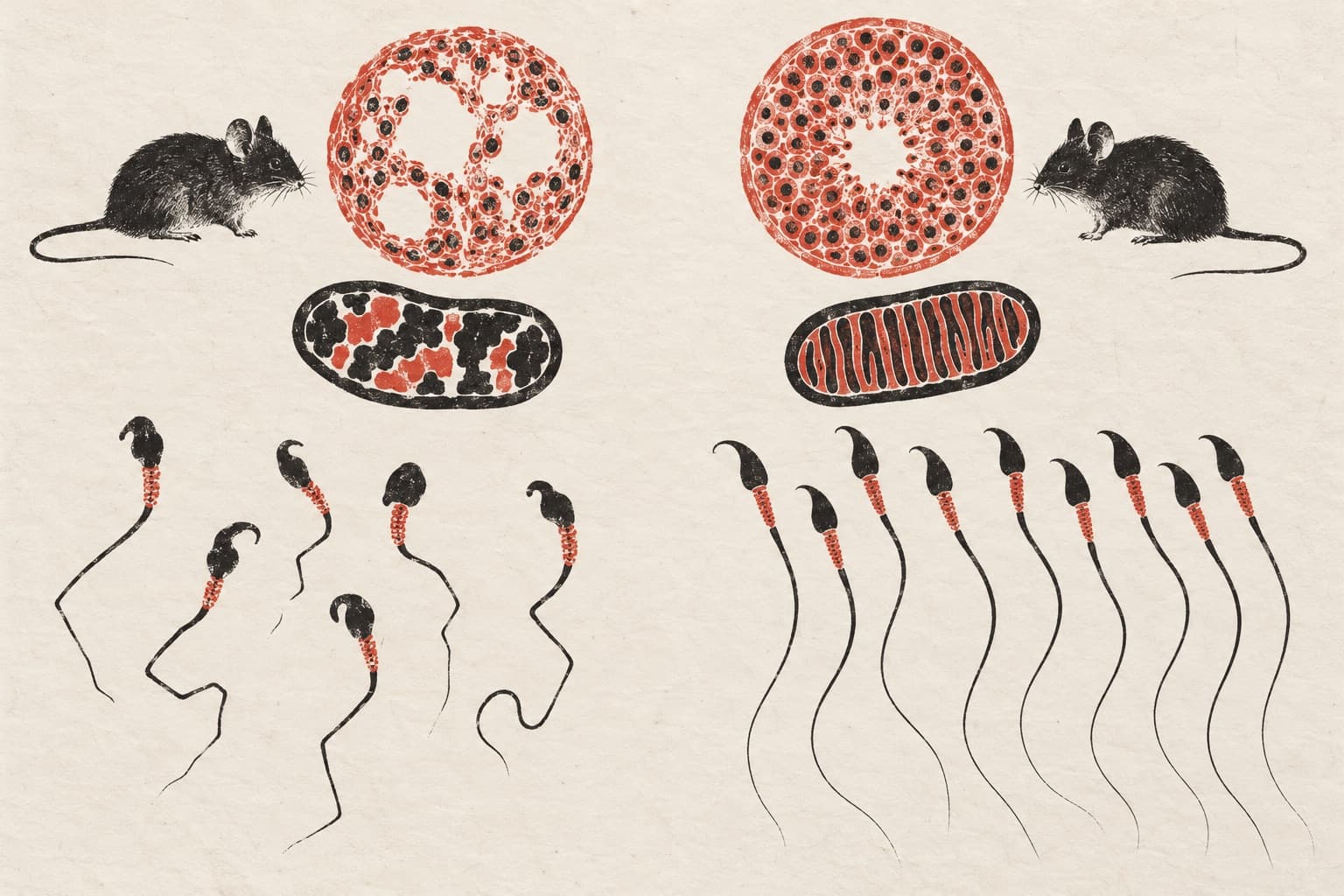
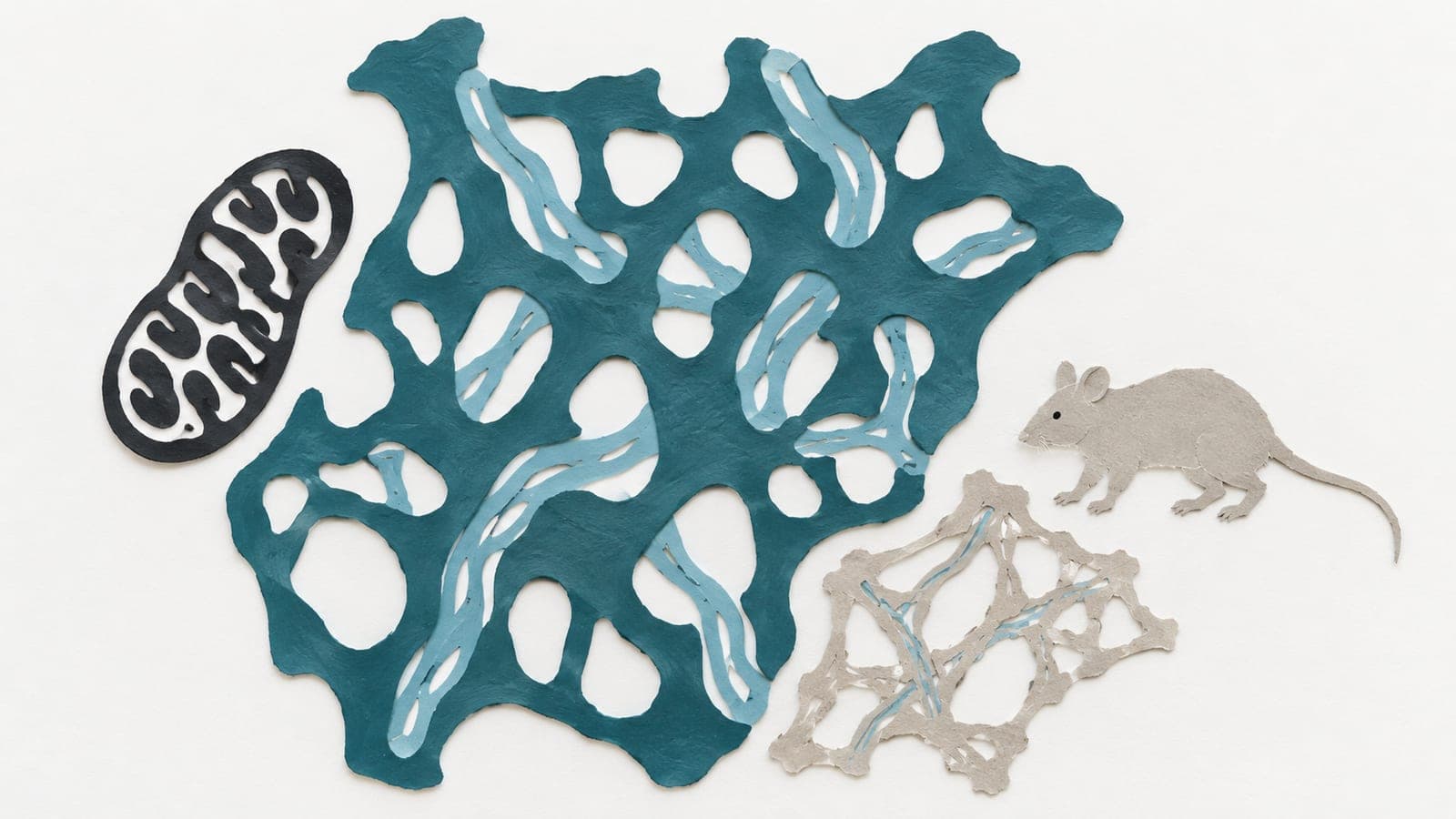
Cadmium, a pervasive environmental pollutant, exerts detrimental effects on various tissues and cells, particularly targeting the reproductive system, thereby posing significant risks to both animal food safety and human health. Despite its widespread impact, research on substances capable of mitigating cadmium-induced reproductive toxicity remains scarce, especially concerning female reproductive health. Metformin, a widely used oral antihyperglycemic drug, has demonstrated a range of beneficial effects, including anti-aging and antioxidant properties. This study aims to investigate the potential and underlying mechanisms of metformin in alleviating cadmium-induced reproductive toxicity in females. Over a period of 35 consecutive days, mice were exposed to cadmium-contaminated water (32 mg/l) and orally administered 10 mg metformin dissolved in 0.2 ml normal saline. Our findings reveal that metformin effectively mitigates cadmium-induced disruptions in the estrous cycle, follicular development, and oocyte meiotic maturation. Specifically, metformin enhances ATP production in oocytes by boosting mitochondrial mass and biosynthesis, thereby counteracting cadmium-induced oxidative stress and spindle morphology defects during meiosis. Additionally, metformin restores the DNA repair capacity of oocytes, alleviating cadmium-induced DNA damage. This restorative effect is partially mediated by metformin's ability to improve key epigenetic modifications, such as histone acetylation, histone methylation, and DNA methylation in oocytes. These results underscore metformin's potential as a protective or therapeutic agent against cadmium reproductive toxicity, primarily by maintaining cellular homeostasis to bolster oocyte resilience against cadmium toxicity and preserving normal epigenetic modifications to ensure oocyte quality.
The paper
Guangling College of Yangzhou University
Toxicology and Applied Pharmacology, 9 May 2025