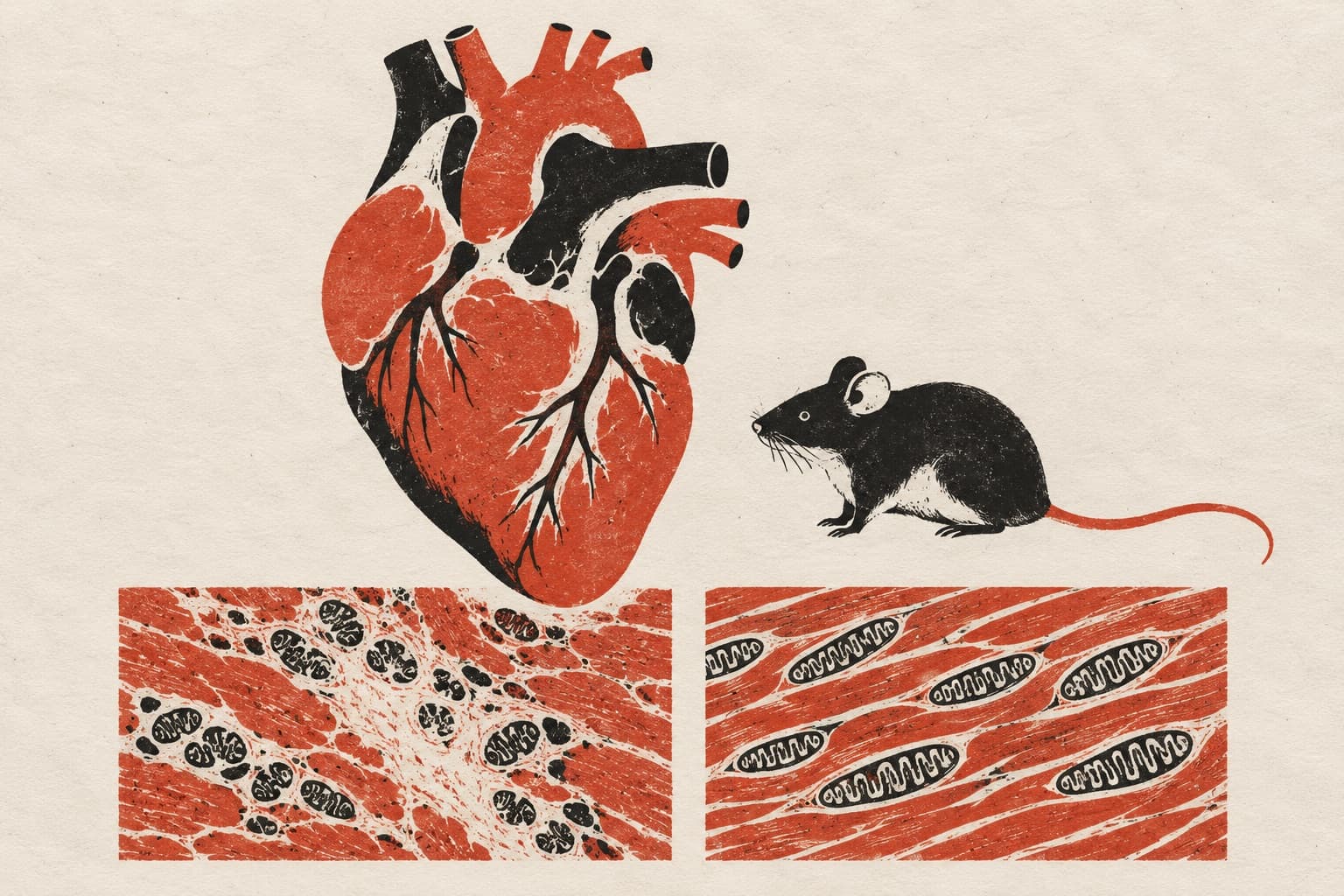
A protein helped egg cells from aged cattle mature in the lab
In laboratory experiments, injecting instructions for making a protein reduced maturation failure in aged cattle egg cells and restored the function of their energy-producing structures.
Theriogenology
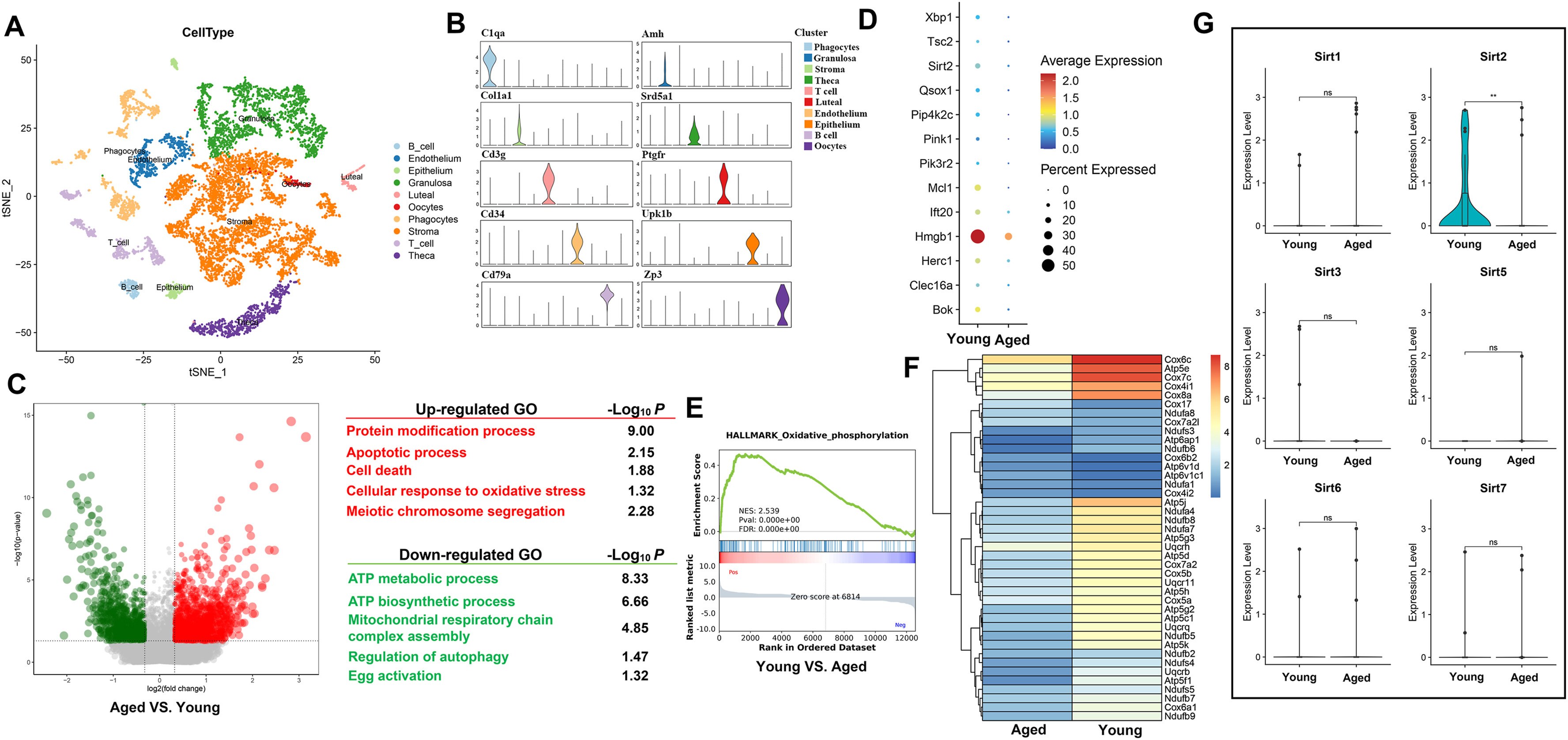
An experiment in egg cells from aged cattle tested whether a protein called SIRT2 could improve their maturation in the laboratory. Researchers found lower SIRT2 levels in aged egg cells alongside impaired mitochondrial function. Mitochondria are structures that supply cells with energy. They injected messenger RNA carrying instructions for making SIRT2. This reduced maturation failure and restored mitochondrial function and mitophagy, the process that removes mitochondria.
SIRT2 removed a chemical tag from another protein, SQSTM1, at a specific site. Removing the tag helped SQSTM1 interact with another protein and sped up the breakdown of mitochondria damaged with age. Removing this tag also enhanced mitophagy and corrected maturation defects in egg cells from aged mothers.
Why it matters
Age-related problems with egg cell maturation limit assisted breeding in cattle. The work points to a molecular target for efforts to improve maturation in older breeding cows.
Caveats
These were laboratory experiments in cattle egg cells, not a breeding trial. The abstract did not report pregnancy or birth outcomes.
The paper
SIRT2-dependent SQSTM1 decrotonylation at K100 rescues impaired mitophagy in aged bovine oocytes
Theriogenology · 5 Oct 2026