Rapamycin reduces mineral density and promotes beneficial vascular remodeling in a murine model of severe medial arterial calcification
Abstract
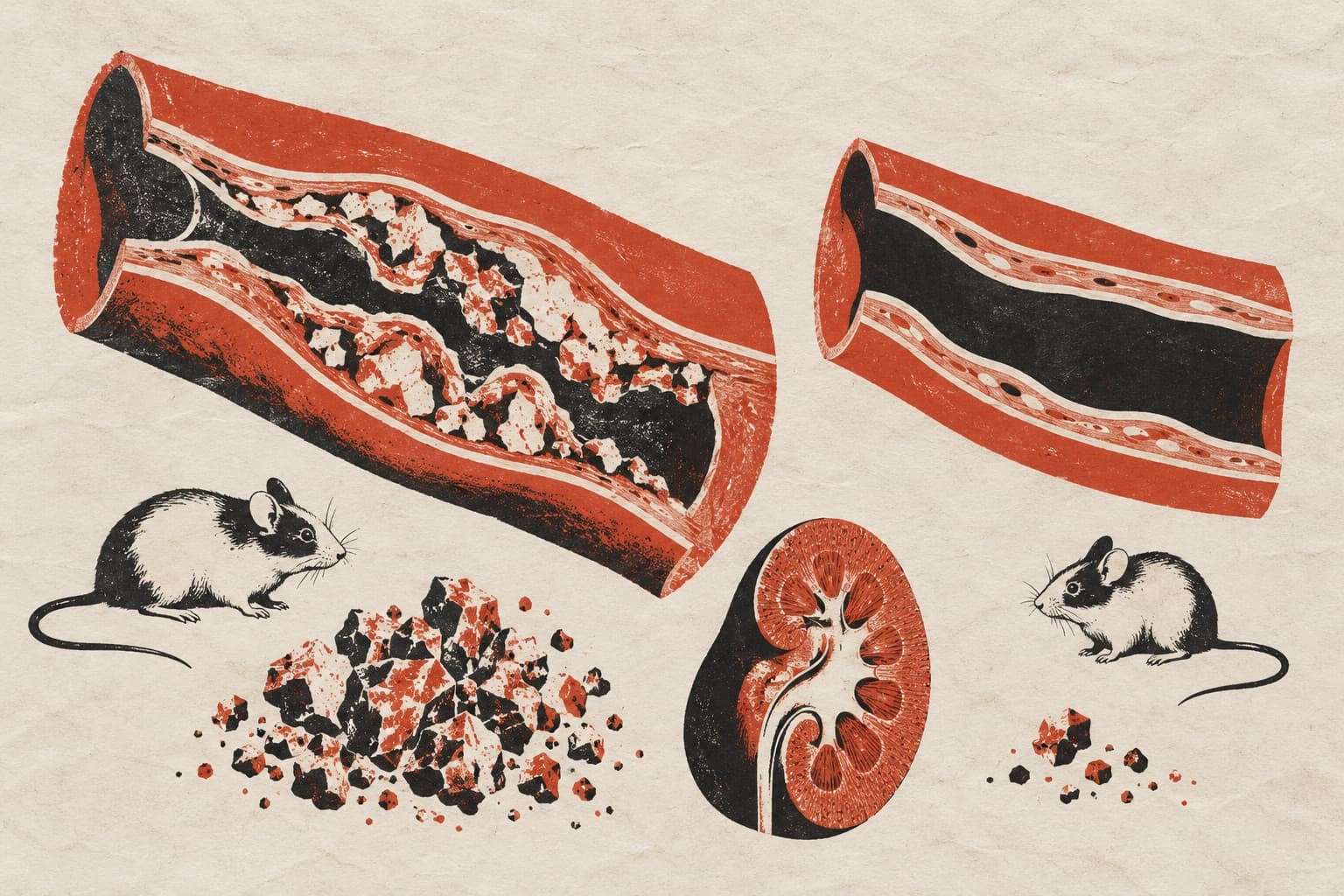
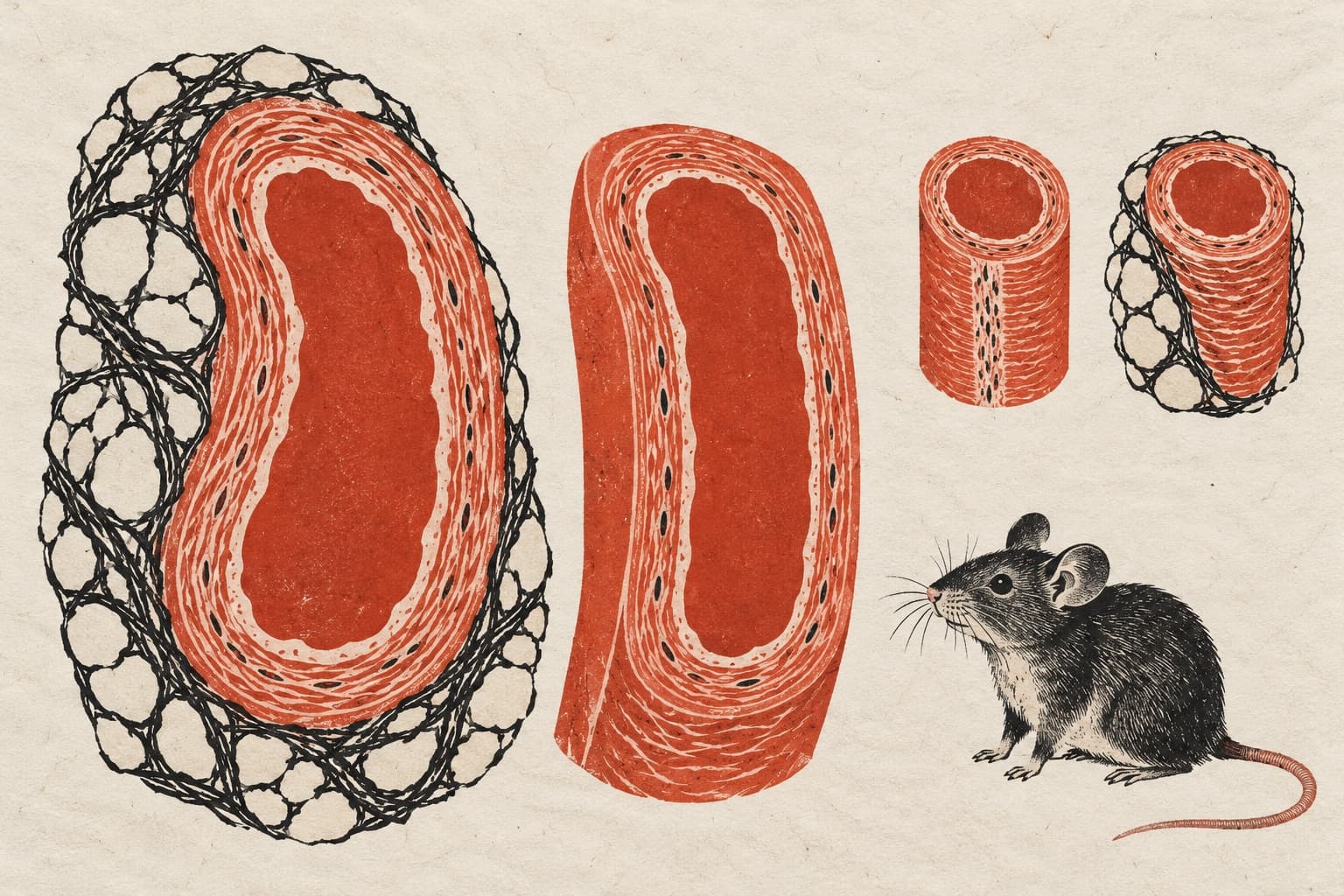
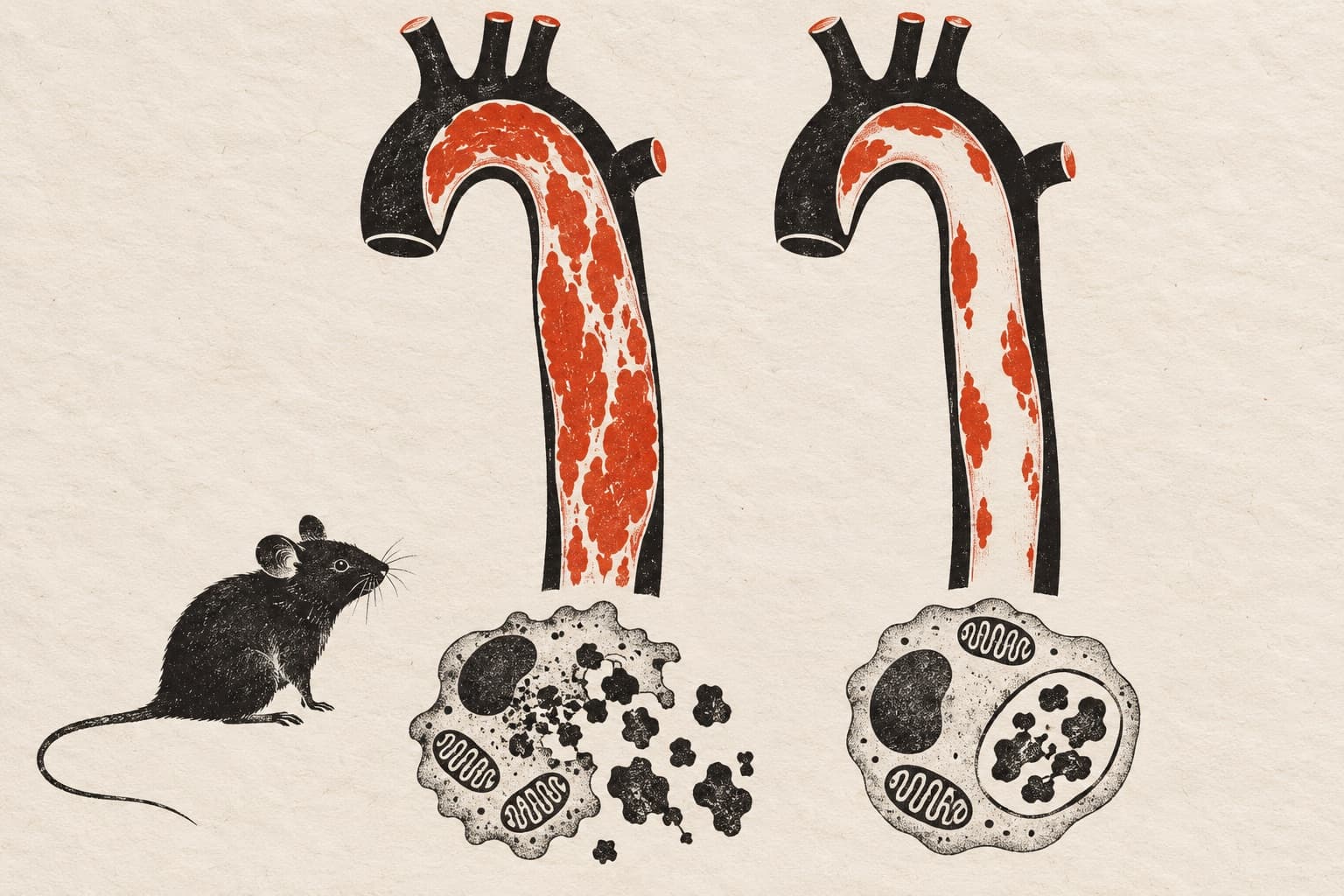
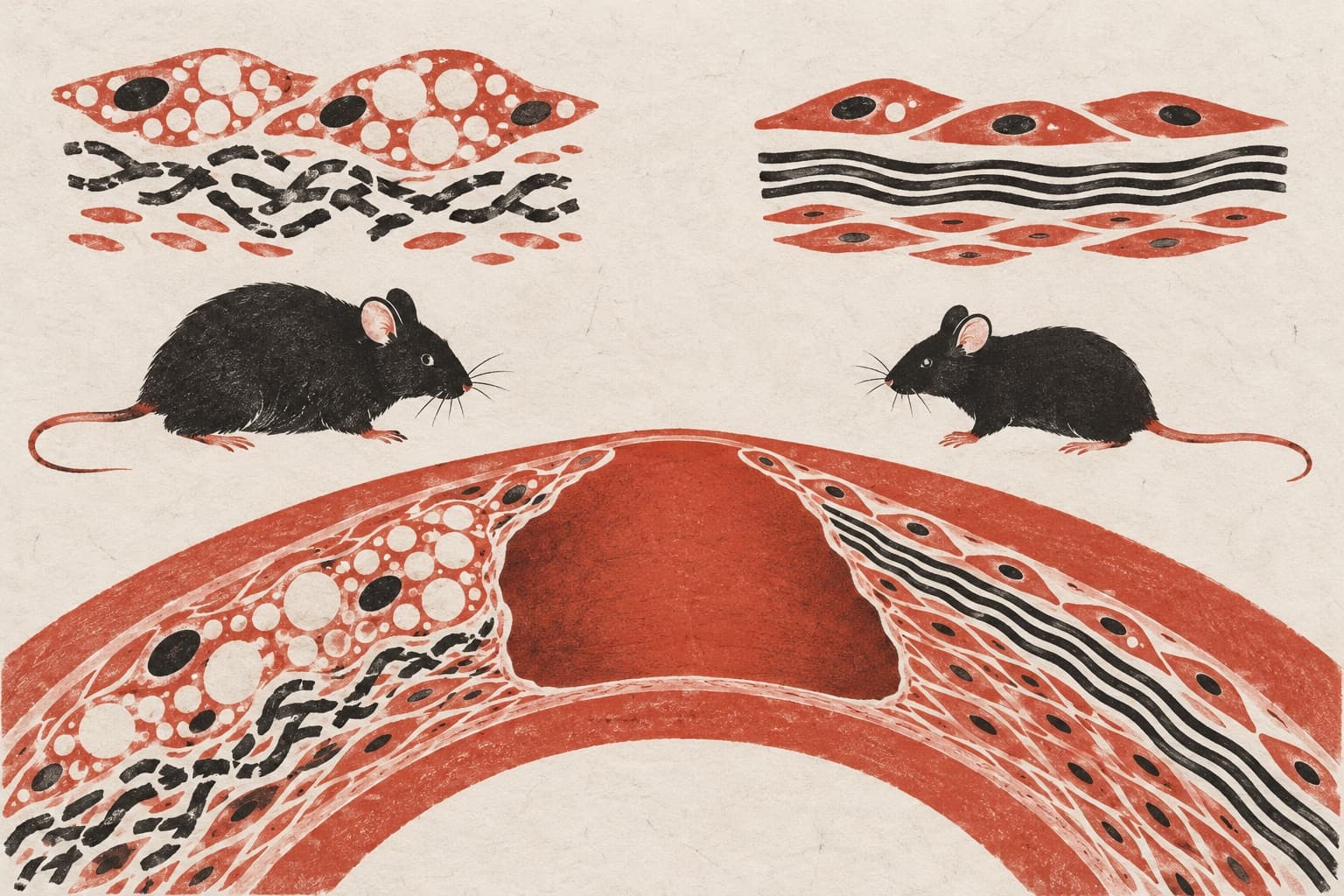
Peripheral artery disease (PAD) is the narrowing of the arteries that carry blood to the lower extremities. PAD has been traditionally associated with atherosclerosis. However, recent studies have found that thrombotic events triggered by medial arterial calcification (MAC) is the primary cause of chronic limb ischemia below the knee. MAC is localized around the elastic fibers surrounding smooth muscle cells (SMCs) in arteries. Matrix GLA protein (MGP) binds circulating calcium and prevents hydroxyapatite mineral deposition, while also modulating pro-osteogenic signaling by attenuating bone morphogenetic protein (BMP)-2-mediated activation of Runx2 gene expression. Mgp-/- mice develop severe MAC and die around 8 wk after birth due to aortic rupture or heart failure. We previously discovered a rare genetic disease, arterial calcification due to deficiency of CD73 (ACDC), in which patients present with extensive MAC in their lower extremity arteries. Using a patient-specific induced pluripotent stem cell model, we found that rapamycin (RAPA) inhibited calcification. Here, we investigated whether rapamycin could reduce MAC in vivo using the Mgp-/- murine model. Mgp+/+ and Mgp-/- mice received 5 mg/kg rapamycin or vehicle. Calcification content was assessed via microCT, and vascular morphology and extracellular matrix content were assessed histologically. Immunostaining and Western blot analysis were used to examine SMC phenotype and extracellular matrix content. Rapamycin prolonged Mgp-/- mice lifespan, decreased mineral density in the arteries, maintained SMC contractile phenotype, and improved vessel structure, however, calcification volume was unchanged. Mgp-/- mice with SMC-specific deletion of Raptor or Rictor did not recapitulate treatment with rapamycin. These findings suggest rapamycin promotes beneficial vascular remodeling in vessels with MAC.NEW & NOTEWORTHY Peripheral artery disease (PAD) is associated with medial arterial calcification (MAC), which involves calcification of arterial elastic fibers and smooth muscle cells (SMCs). Matrix GLA protein (MGP) inhibits vascular calcification, and Mgp-/- mice develop severe MAC. Using this model, we found rapamycin (RAPA) prolonged lifespan, reduced arterial mineral density, maintained SMC contractile phenotype, and improved vessel structure, though calcification volume remained unchanged. Findings highlight rapamycin's potential for vascular remodeling in MAC.
The paper
University of Pittsburgh
American Journal of Physiology Heart and Circulatory Physiology, 8 May 2025