Loss of WDR23 slows the rate of age-related cognitive decline with elevated amyloid burden
Abstract
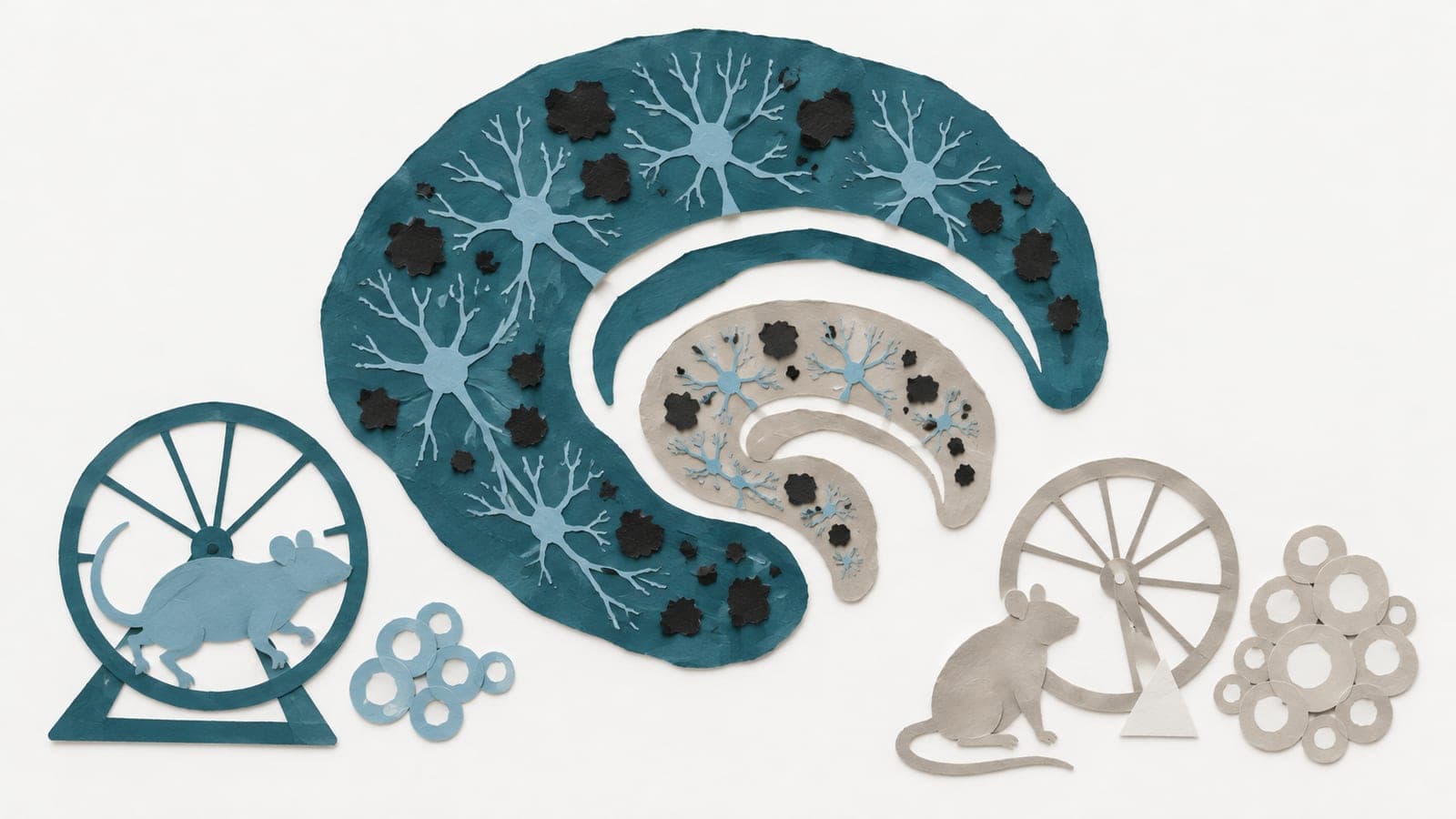
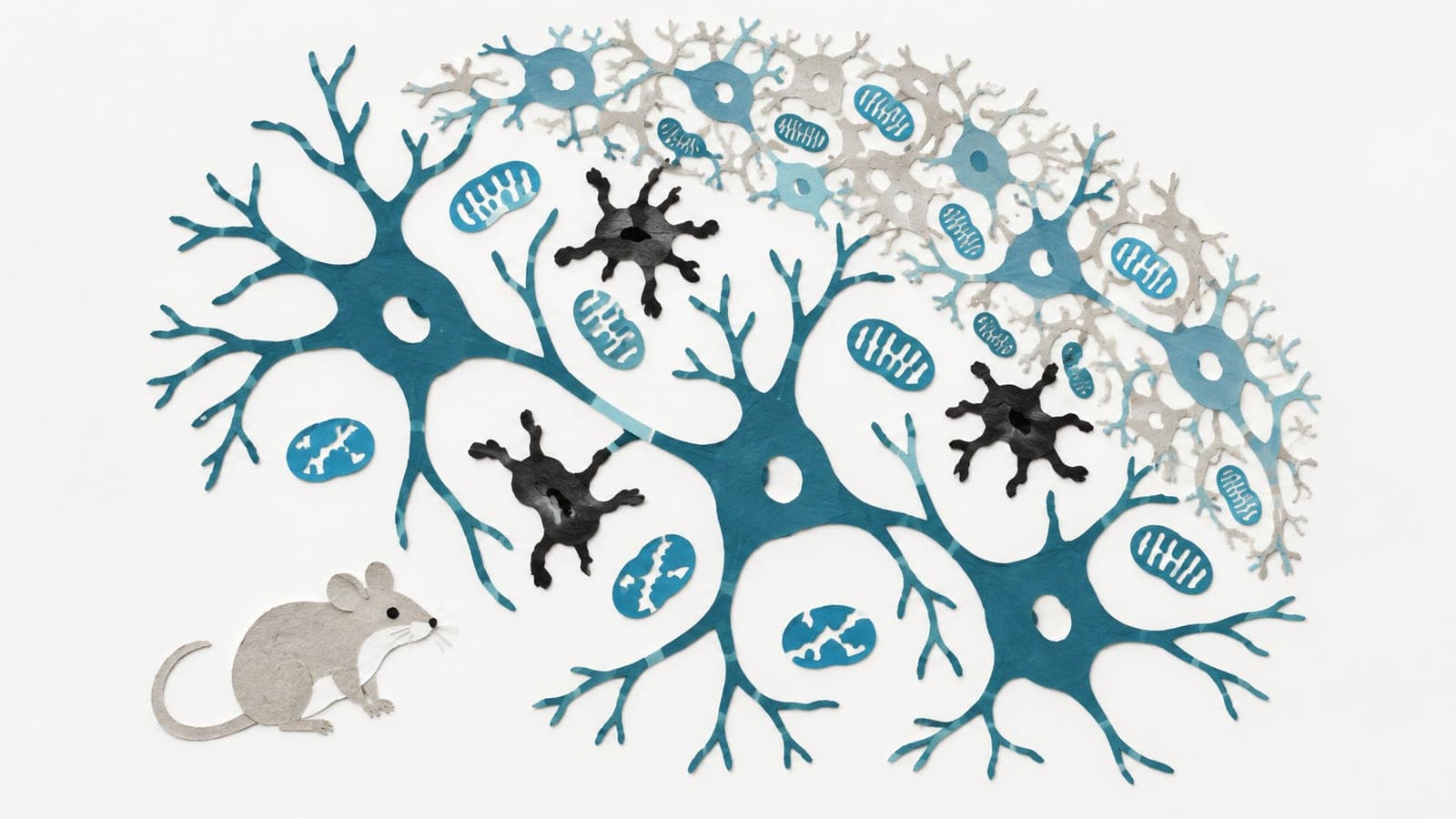
BackgroundWDR23 is a regulator of cellular proteostasis and oxidative stress response processes that are critically involved in the pathogenesis of Alzheimer's disease (AD). Dysregulation of these pathways can contribute to amyloid-β (Aβ) and tau pathologies, ultimately leading to cognitive impairment.ObjectiveWe explored the effects of Wdr23 knockout on key AD-related pathologies, including transcriptomic changes, Aβ and tau pathology, and cognitive function in the 3xTg-AD mouse model of early onset familial AD.MethodsTranscriptomic analysis of hippocampal tissue was performed to identify Wdr23-dependent gene expression changes across age groups. Aβ and tau pathology was assessed via immunohistochemistry. Behavioral assays were conducted to determine cognitive function and locomotor activity.ResultsTranscriptomic data revealed an age-dependent effect of Wdr23 knockout on gene expression, with enrichment of pathways related to cognition and synaptic plasticity, especially middle-age and aged mice. Interestingly, while Wdr23 knockout exacerbated amyloid plaque accumulation in older mice, it did not impact tau pathology. Behaviorally, Wdr23 knockout mice exhibited improved cognitive function and enhanced activity levels compared to wild-type counterparts, suggesting a dissociation between Aβ pathology and cognitive performance. Additionally, we observed age-related changes in NRF2 target gene activation but declined in Wdr23 knockout mice over time.ConclusionsOur findings highlight a complex relationship between proteostasis, amyloid pathology, and cognitive outcomes in AD, warranting further investigation into the specific mechanisms by which Wdr23 modulates these processes. This study suggests that targeting proteostasis pathways could offer potential therapeutic benefits, particularly in preserving cognitive function, even in the presence of amyloid pathology.
The paper
University of Southern California
Journal of Alzheimer's Disease, 4 May 2025