Lower locus coeruleus integrity is associated with diminished practice effects in clinically unimpaired older individuals
Abstract
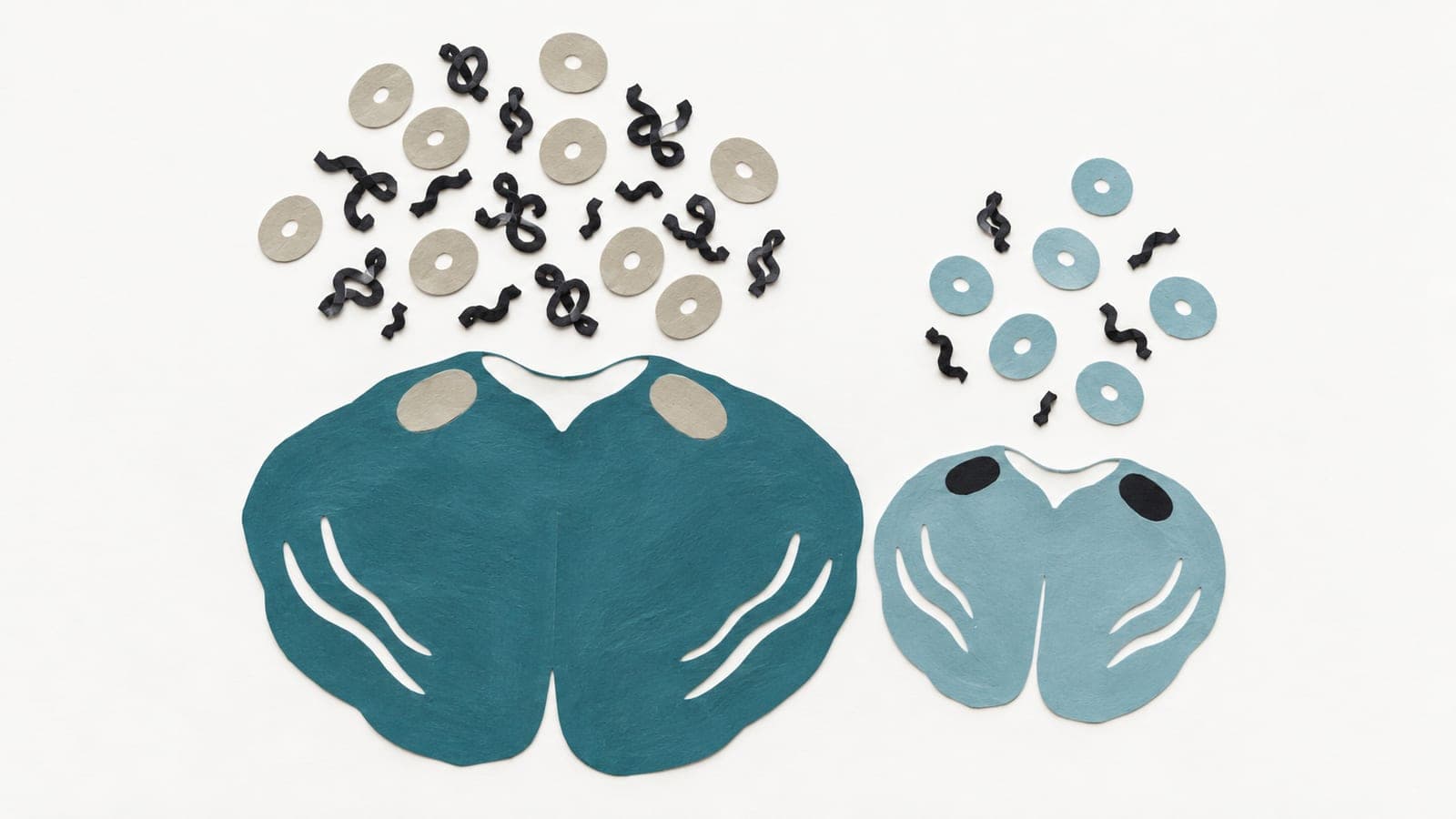
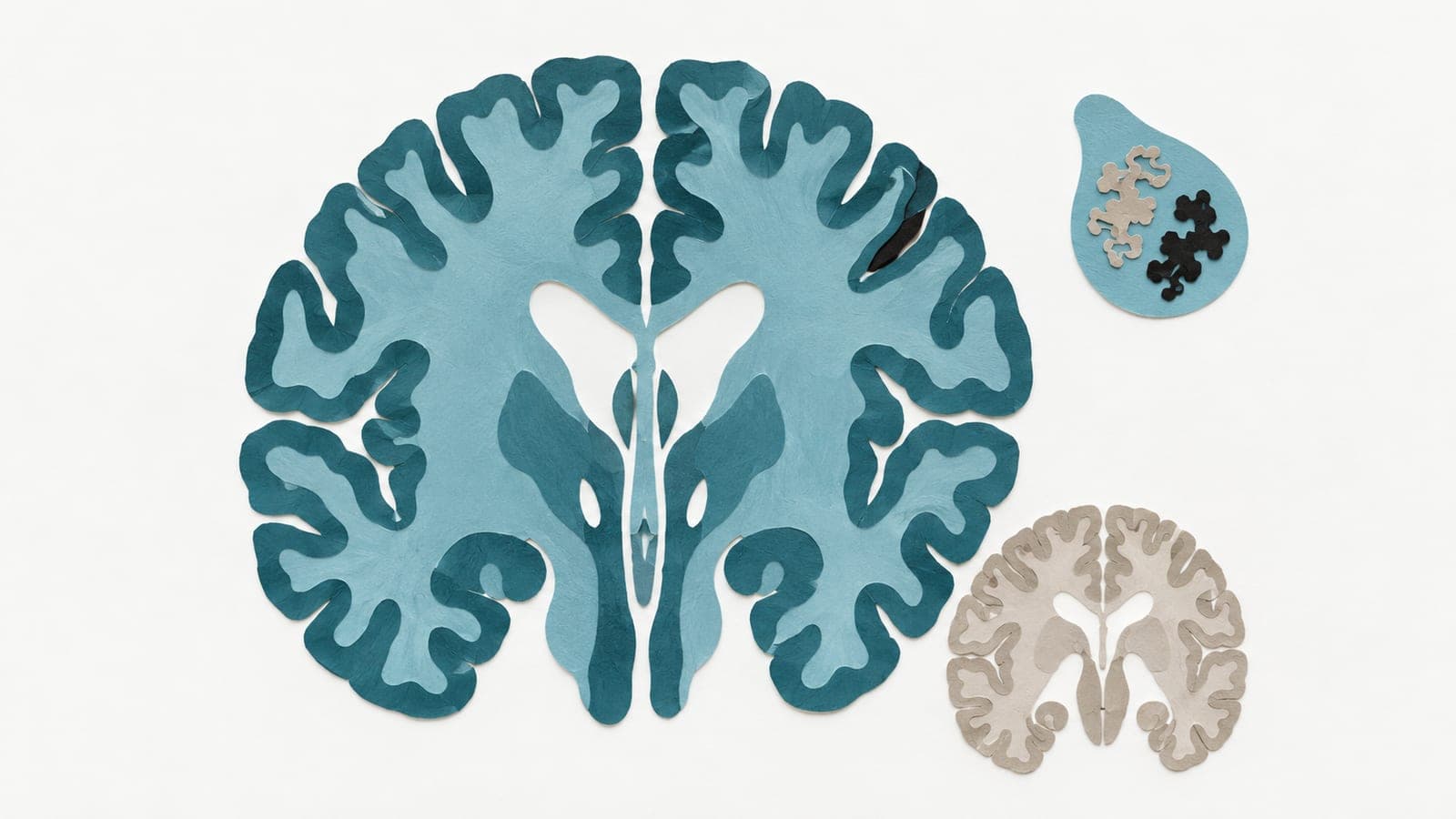
The locus coeruleus (LC), one of the earliest structures affected by tau pathology in Alzheimer's disease (AD), plays an important role in modulating arousal and learning. In asymptomatic early stages of AD, more sensitive measures to identify subtle cognitive changes are needed. Previous studies indicate that practice effects can signal initial AD-related learning deficits. Here, we assessed the association between LC integrity and practice effects. We combined dedicated LC-MRI methods with at-home computerized face-name letter task (FNLT), a Mnemonic Similarity Task (MST), and a one card learning task (OCL) performed monthly over one year in 76 older participants from the Harvard Aging Brain Study. Higher LC integrity was related to lower MST reaction times at baseline, and lower MST and FNLT reaction times over one year. No significant associations were found with the OCL. Participants with low accuracy practice effect trajectories exhibited low baseline PACC-5 scores, whereas those with higher reaction times over time displayed low LC integrity, high entorhinal, and high amygdala tau at baseline. These findings suggest reaction times measured monthly may be a sensitive measure for early AD-related biomarkers such as LC integrity and tau burden in preclinical AD.
The paper
Harvard University; Maastricht University
Neurobiology of Aging, 26 Apr 2025