Breaking the vicious cycle: Reciprocal influences between social isolation and functional disability and the buffering effect of digital inclusion
Abstract
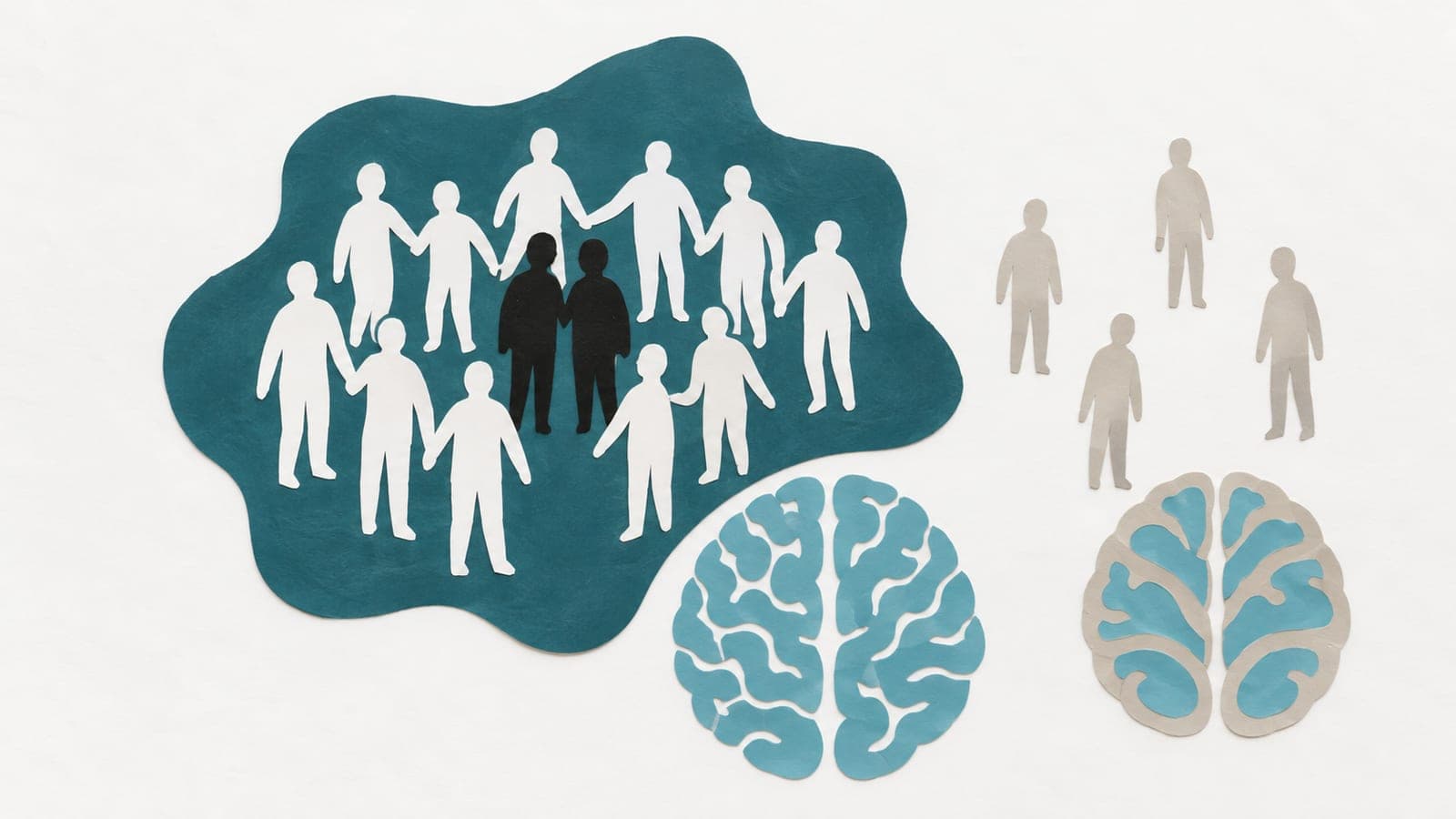
In aging societies like Japan, social isolation (SI) and functional disability (FD) critically impact older adults' health, yet their bidirectional relationship and potential moderators remain underexplored. This prospective cohort study examined the bidirectional SI-FD association and tested digital inclusion's (DI) moderating role among community-dwelling Japanese older adults. We analyzed 480 adults aged ≥65 across three waves (baseline, 3-year, 6-year follow-ups) using multi-group random intercept cross-lagged panel models (RI-CLPM) to disentangle within-person and between-person effects. At the between-person level, SI was positively connected with FD (β = 0.50, p < 0.001). Within individuals, SI and FD demonstrated reciprocal worsening over time, with SI's cross-lagged effect on subsequent FD (T1→T2: β = 0.42, p < 0.001; T2→T3: β = 0.40, p < 0.001) exceeding FD's effect on SI (T1→T2: β = 0.21, p < 0.01; T2→T3: β = 0.29, p < 0.01). DI significantly attenuated SI's adverse impacts: in the digitally included group (n = 291), SI's autoregressive effects and cross-lagged effects on FD became nonsignificant (p > 0.05), SI's cross-lagged effect on subsequent FD also weakened (T1→T2: β = 0.19, p < 0.05; T2→T3: β = 0.22, p < 0.05). Findings suggest bidirectional SI-FD links are partially mitigated by digital engagement. While social interventions remain critical, integrating digital literacy programs may disrupt SI's cascading effects on disability. Study limitations include regional sampling and self-reported measures. Future research should validate these mechanisms across diverse populations and explore targeted digital-social hybrid interventions.
The paper
Peking University; University of Tsukuba
Archives of Gerontology and Geriatrics, 23 Apr 2025