Positive Childhood Experiences, Cognition, and Biomarkers of Alzheimer's Disease
Abstract
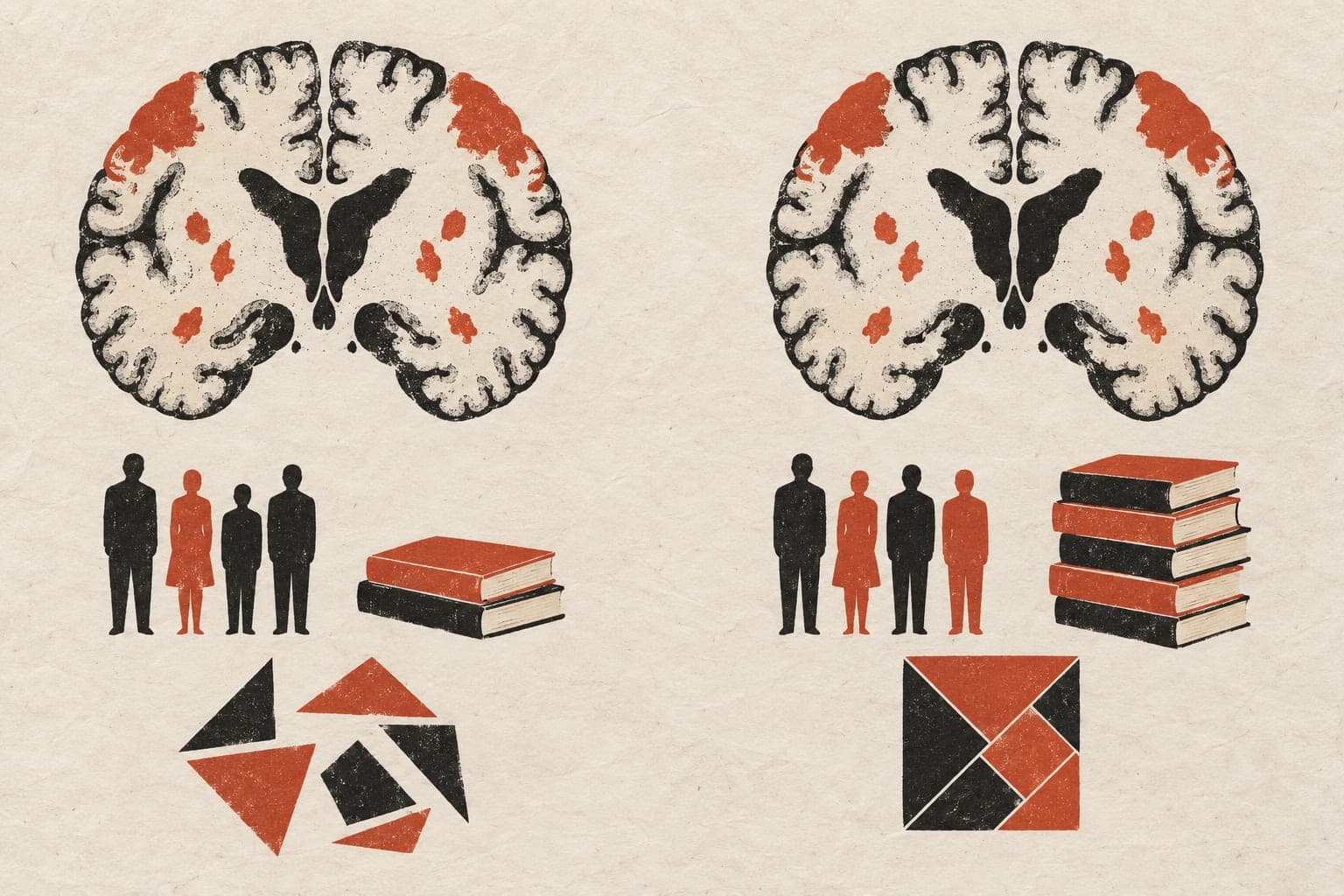
Positive childhood experiences (PCEs) have unknown effects on late life cognition and Alzheimer's Disease biomarkers. We examined 406 Asian, 1179 Black, 349 Latinx, and 498 White KHANDLE and STAR study participants with data on PCEs, longitudinal cognitive measures, MRI (n = 560), and amyloid PET (n = 281). We conducted mediation and multigroup models within the structural equation modeling framework allowing us to examine the direct association of PCEs with episodic memory level and change as well as the indirect effects of PCEs through education. We additionally conducted linear regressions examining the association of PCEs with MRI and amyloid PET outcomes. Average participant age was 74 (53-90) and 62% were female. Overall, PCEs were positively associated with memory intercept and change. Education significantly mediated the association between PCEs and memory intercept. PCEs were not associated with hippocampal volume or amyloid burden in the combined sample or across individual ethnocultural groups. PCEs are positively related to episodic memory through the promotion of educational attainment.
The paper
University of Florida Health; Boston University
International Journal of Environmental Research and Public Health, 30 Mar 2025