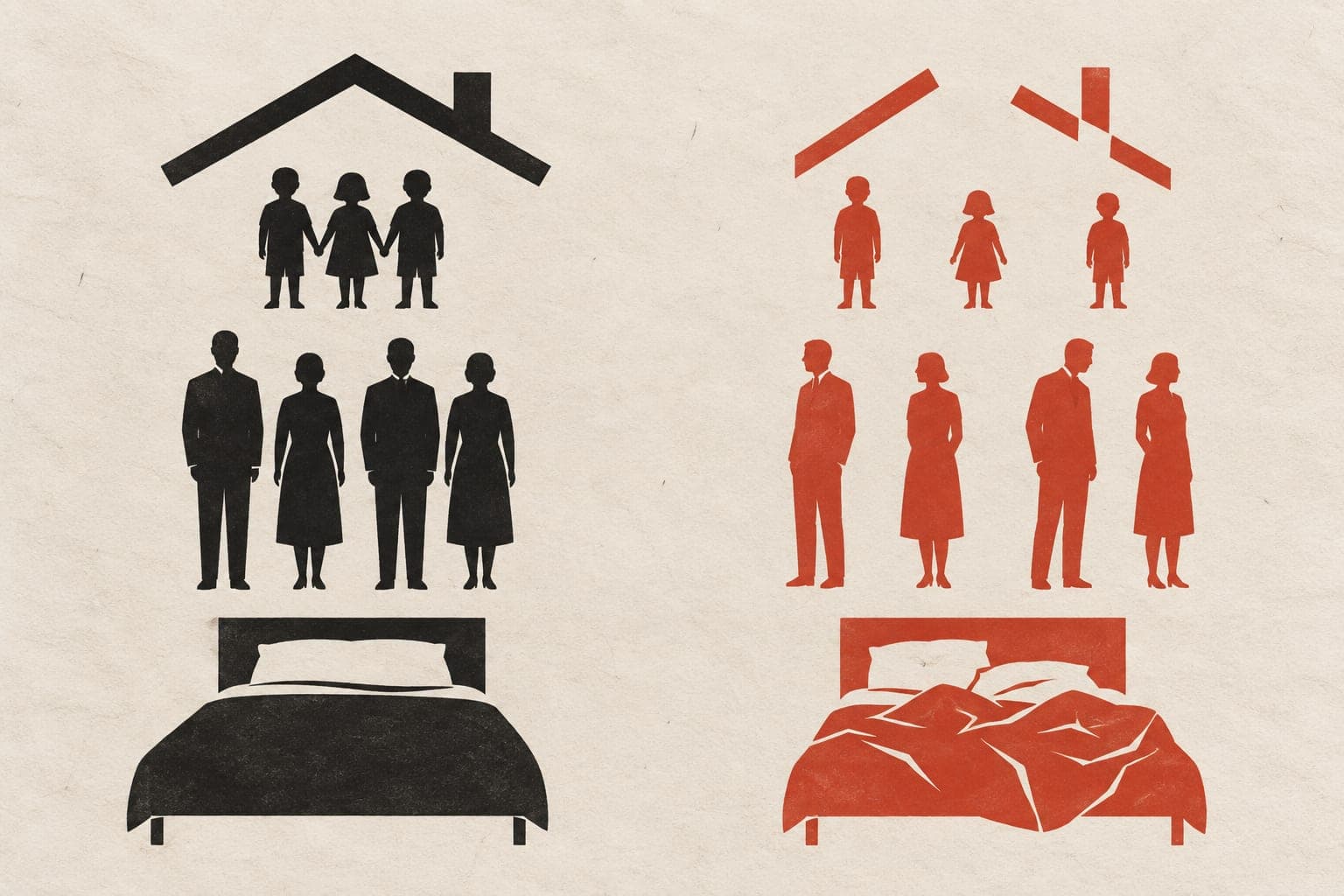
Childhood adversity is linked to higher biological wear in adults
Participants with any childhood adversity had 5% higher allostatic load and 9% more chronic diseases than those with none.
Biopsychosocial Science and Medicine
In a cross-sectional study, researchers analysed data from 9,708 adults in the US Health and Retirement Study. They examined adverse childhood experiences before age 18, including physical abuse, parental substance use, and repeating a school year. The authors measured allostatic load, a marker of cumulative biological strain, and the number of chronic diseases in adulthood. Participants with any adverse childhood experiences had 5% higher allostatic load and 9% more chronic diseases than those with none. Those with three childhood adversities had 20% higher allostatic load and 25% more chronic diseases. High neuroticism, a personality trait reflecting a tendency toward negative emotions, accounted for approximately 44% of the link between childhood adversity and chronic diseases.
Why it matters
Allostatic load reflects the cumulative physiological strain that builds across body systems over a lifespan. Tracing how early stress and personality traits relate to this burden could clarify why chronic conditions accumulate differently as people age.
Caveats
The analysis used cross-sectional data, which cannot determine whether childhood adversity caused the observed health outcomes. The findings are also limited to participants from a single US cohort.
The paper
Biopsychosocial Science and Medicine · 8 Oct 2026