Neighbourhood deprivation linked to brain amyloid buildup
In an observational study of 1,110 people, living in more deprived areas was associated with lower cognitive scores and more amyloid build-up in unimpaired brains.
NPJ Dementia
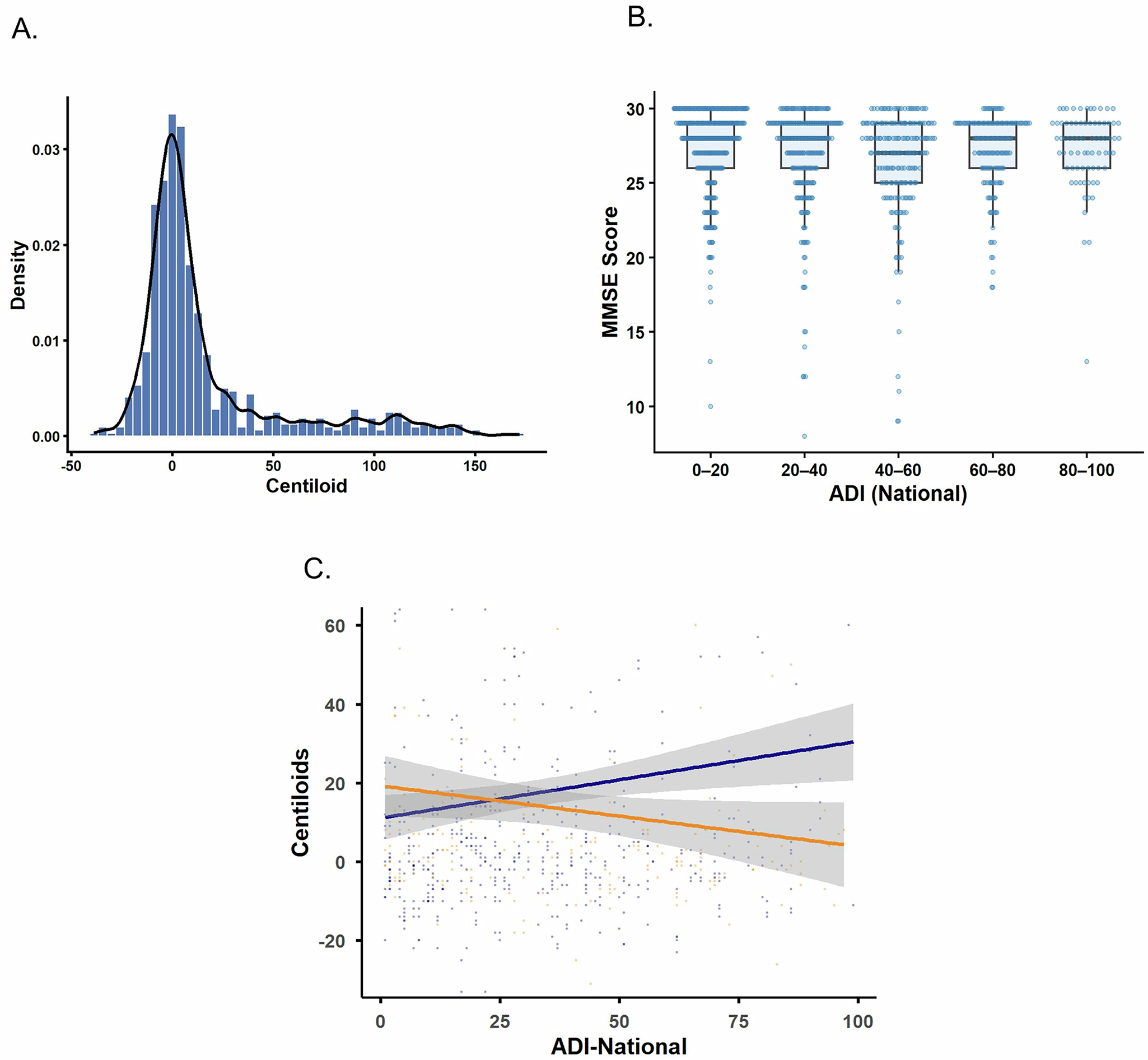
In an observational study of 1,110 people, researchers examined how living in disadvantaged neighbourhoods relates to brain health. Participants took the Mini-Mental State Examination, a cognitive test, and had brain scans using amyloid-specific tracers to measure protein accumulation. The team adjusted for age, sex, and a genetic risk variant called APOE-ε4. Higher neighbourhood deprivation was associated with lower cognitive scores. Among cognitively unimpaired participants, living in more deprived areas was also associated with greater amyloid burden. Amyloid levels, however, did not mediate the link between neighbourhood disadvantage and cognitive performance.
Why it matters
Understanding how social disadvantage relates to brain pathology bears on how dementia risk is evaluated during aging. The researchers suggest that considering socioeconomic context in early-stage risk assessment may help guide targeted prevention strategies aimed at reducing disparities in dementia.
Caveats
The study was cross-sectional, so it cannot show whether neighbourhood deprivation causes amyloid accumulation or poorer cognition. Amyloid levels also did not explain the link observed between neighbourhood disadvantage and cognitive scores.
The paper
Yale University
NPJ Dementia · 7 Oct 2026