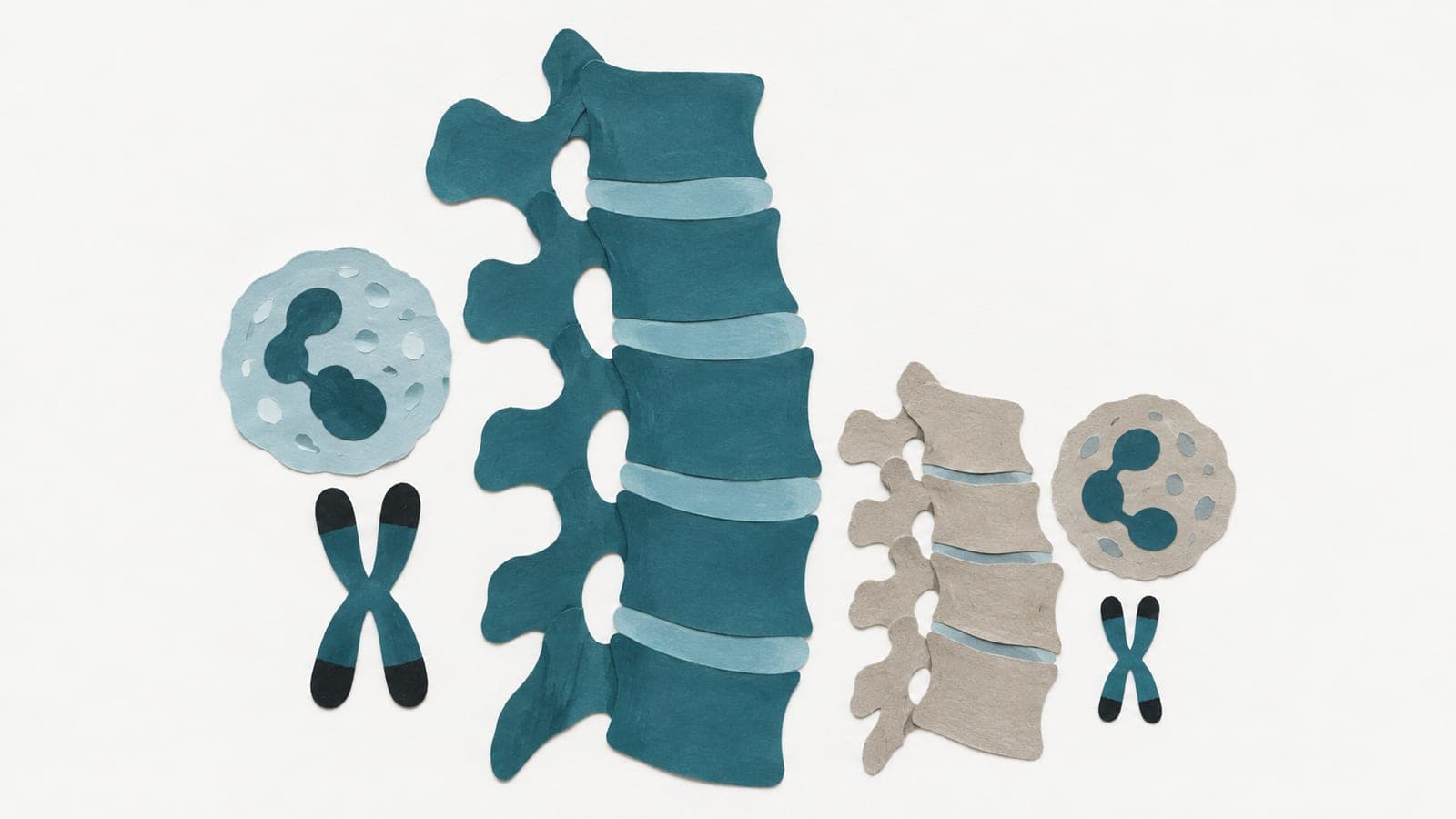
Comparative Analysis of Biological Aging and Inflammatory Profiles in Adult Spinal Deformity Patients Between Japan and the United States: A Correlative Study
Abstract
STUDY DESIGN: Retrospective matched cohort study. OBJECTIVE: Understanding biological aging in adult spinal deformity (ASD) across different populations offers insights into its impact on aging and potential interventions. SUMMARY OF BACKGROUND DATA: ASD significantly impacts physiological health and may accelerate biological aging. Understanding biological aging in ASDs across different populations offers insights into ASD's impact on aging and potential interventions. MATERIALS AND METHODS: ASDs and norms from Japan (JP) and the United States (US) were included. The US norm consisted of 8751 adults from NHNES 2017 to 2020; the JP norm comprised 10,205 adults from health check-ups between 2020 and 2023. Age- and gender-matched norm cohorts of 6584 pairs (JP vs. US) were established (age: 55±13 vs . 55±14 yr; female: 49 vs. 50%). ASD were age-, race-, and gender-matched to norm individuals in JP (159 pairs) and the US (132 pairs). In addition, 81 pairs of ASDs from JP and the US were selected for cross-country comparisons. RESULTS: JP was biologically younger than US [PhenoAge: mean difference (MD) -6.5±0.3 yr, P <0.01]. When comparing JP and US Asians, JP remained biologically younger (MD: -3.1±0.7 yr, P <0.01), suggesting lifestyle differences. JP ASDs were biologically older than their norms (MD: 4.2±1.7 yr, P =0.02), indicating accelerated aging. However, no significant difference was observed between ASDs and the norms in the US. No significant difference in PhenoAge was found between JP and US ASDs (57.9±18.4 vs. 59.6±17.6 yr, P =0.56). ASDs in both countries exhibited higher systemic inflammation, with US ASDs showing particularly elevated CRP levels (US ASD vs. norm: 2.8±8.5 vs. 0.4±0.8 mg/dL, P <0.01; JP: 0.5±1.3 vs. 0.2±0.4 mg/dL, P <0.01). CONCLUSIONS: JPs are biologically younger than their US counterparts, potentially due to lifestyle factors. JP ASDs exhibit accelerated biological aging compared with the norm cohort, highlighting the impact of ASD on aging. Elevated systemic inflammation in ASDs underscores the importance of managing inflammatory processes.
The paper
International University of Health and Welfare; Acknowledgments listed for grants
Spine, 22 Apr 2025