Severe spinal imbalance linked to later care needs in older adults
Over five years, 31.0% of older adults with severe spinal imbalance obtained care needs certification, compared with 9.1% in the lowest-imbalance group.
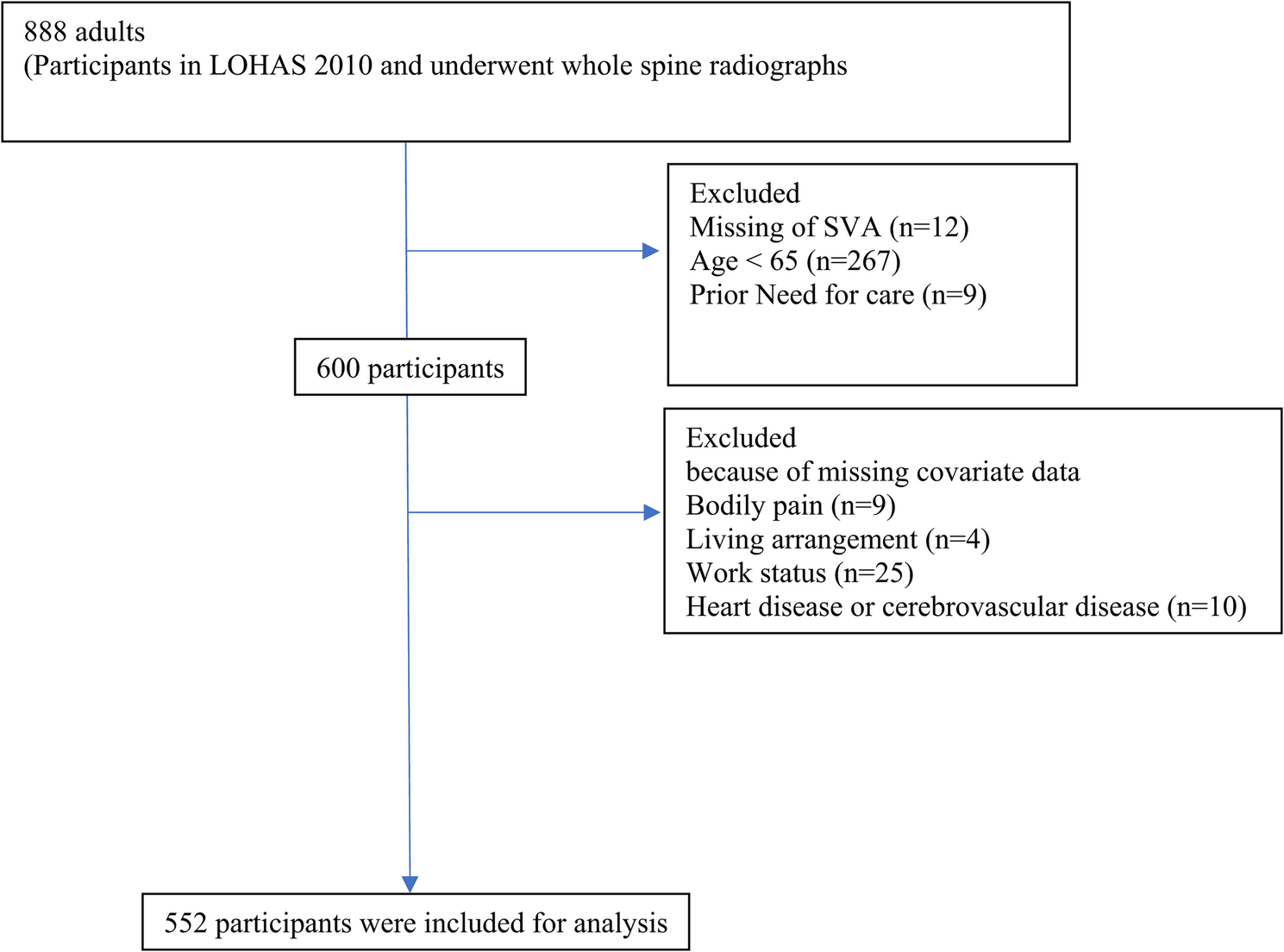
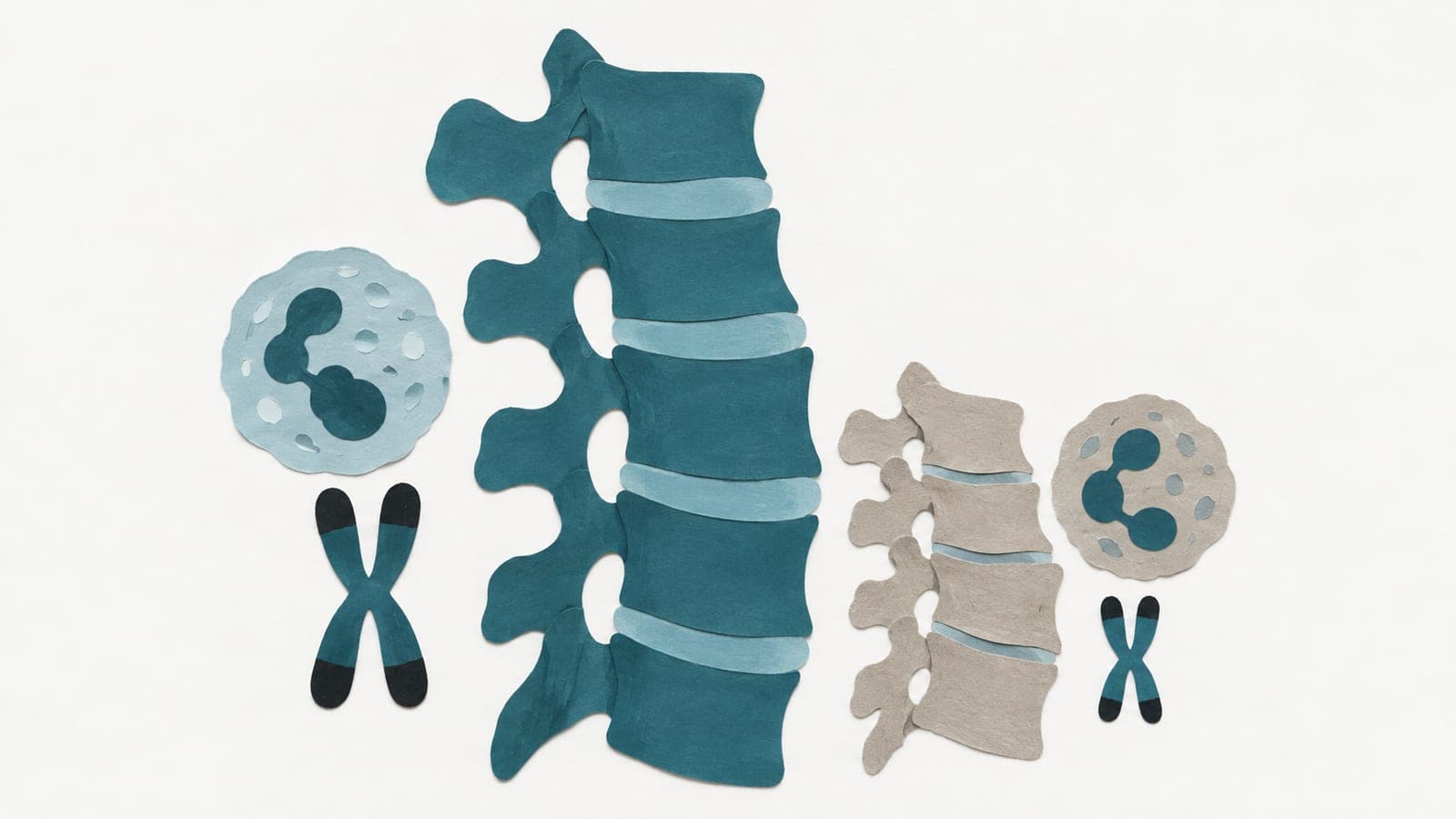
The prospective cohort study followed 552 older adults from the 2010 Aizu Cohort Study for five years. Researchers assessed spinal imbalance from the side using standing whole-spine X-rays. They tracked new long-term care needs through certification in the national insurance system.
During follow-up, 63 participants received certification. Among those with an alignment measurement above 95 millimetres, 31.0% received certification, compared with 9.1% among those below 40 millimetres. Severe imbalance was associated with higher risk after researchers accounted for age, sex, pain, physical function, heart disease and depression. The comparison with the middle group, measuring 40–95 millimetres, was less certain: the range of likely values included no difference.
Why it matters
Mobility limitations are a risk factor for future long-term care needs. The study examined spinal alignment as another possible indicator of that risk in older adults.
Caveats
This observational study could not establish that spinal imbalance caused care needs. It defined care needs by new insurance certification.